

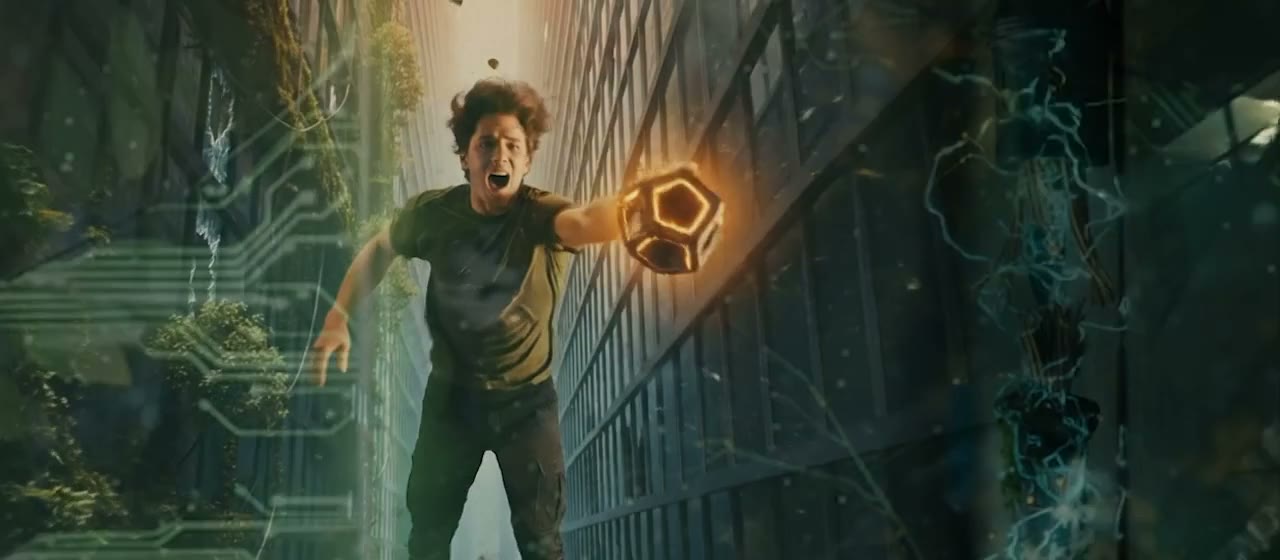
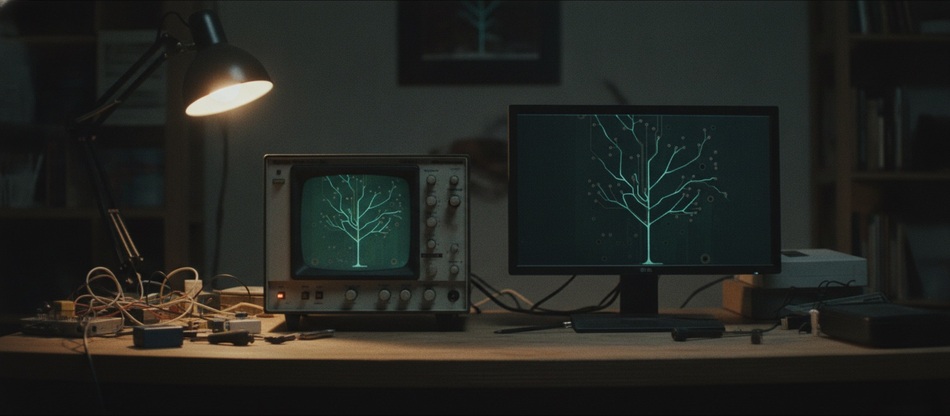
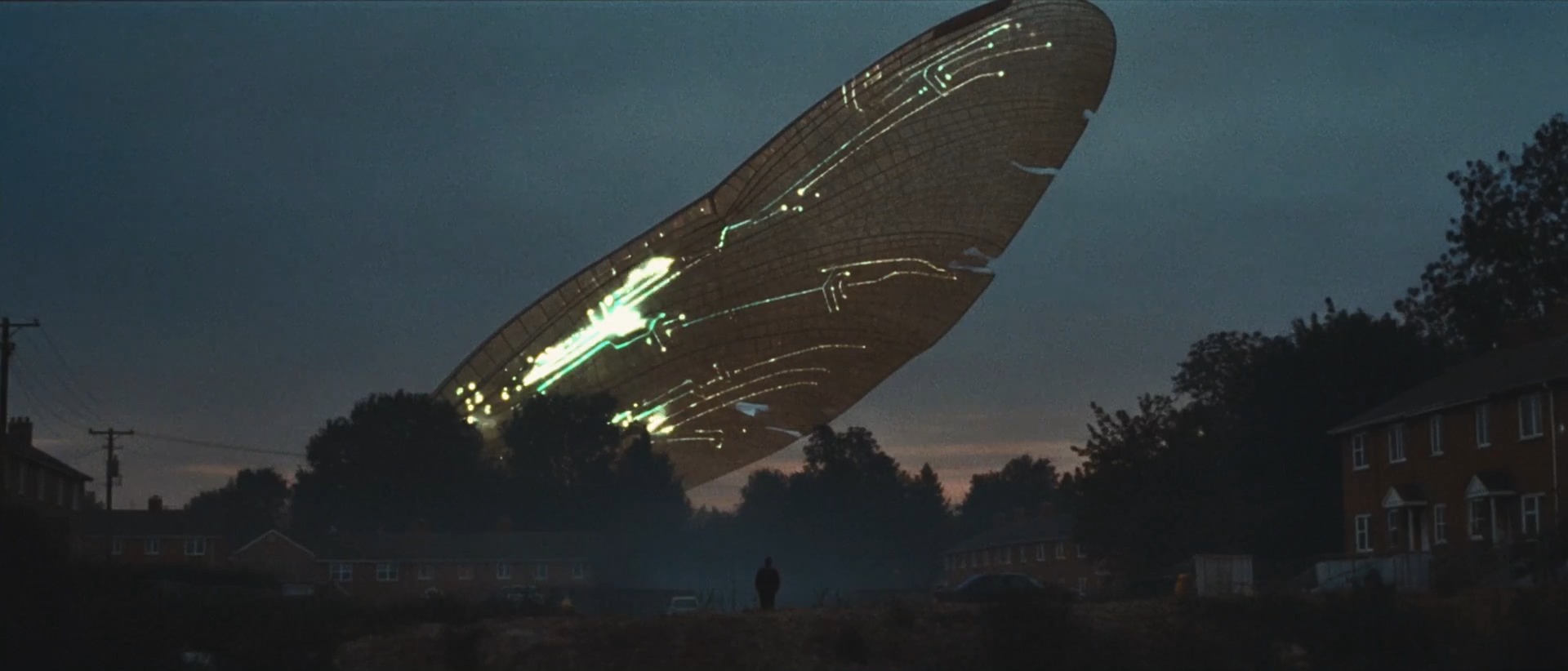
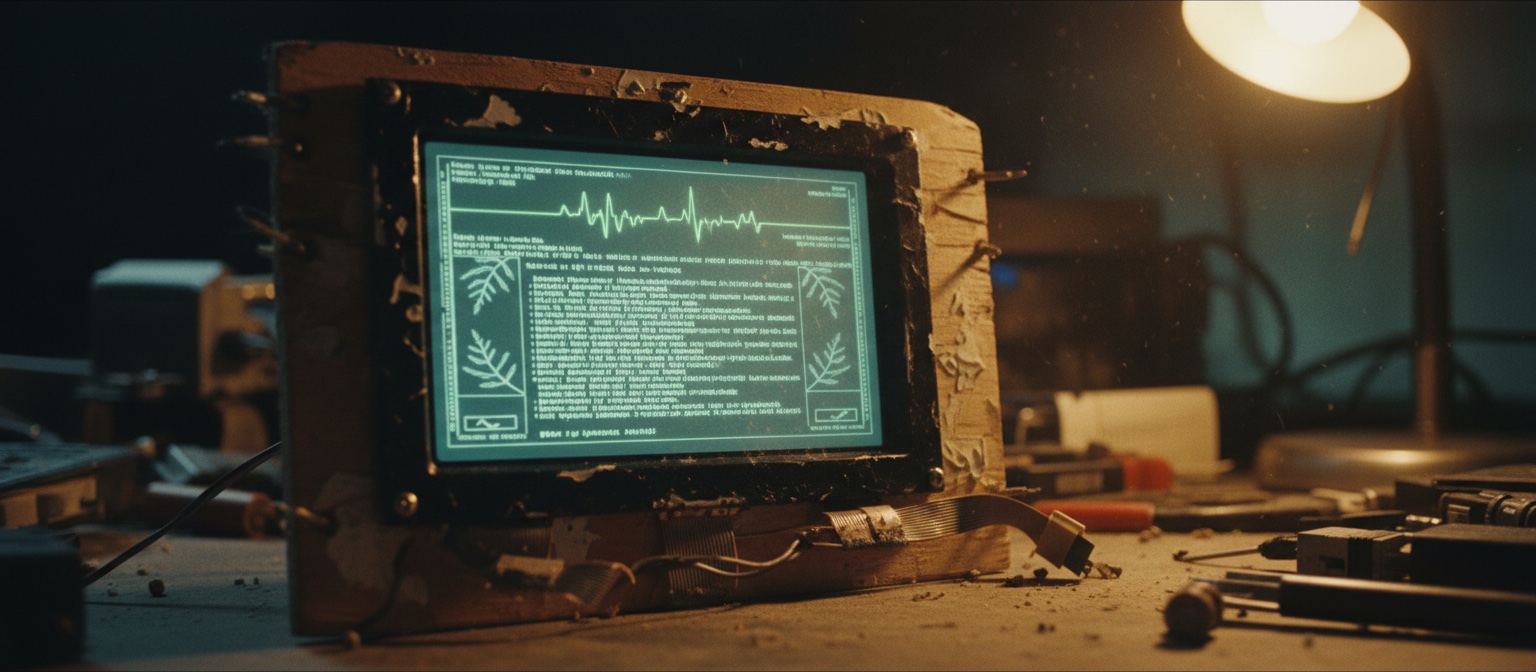
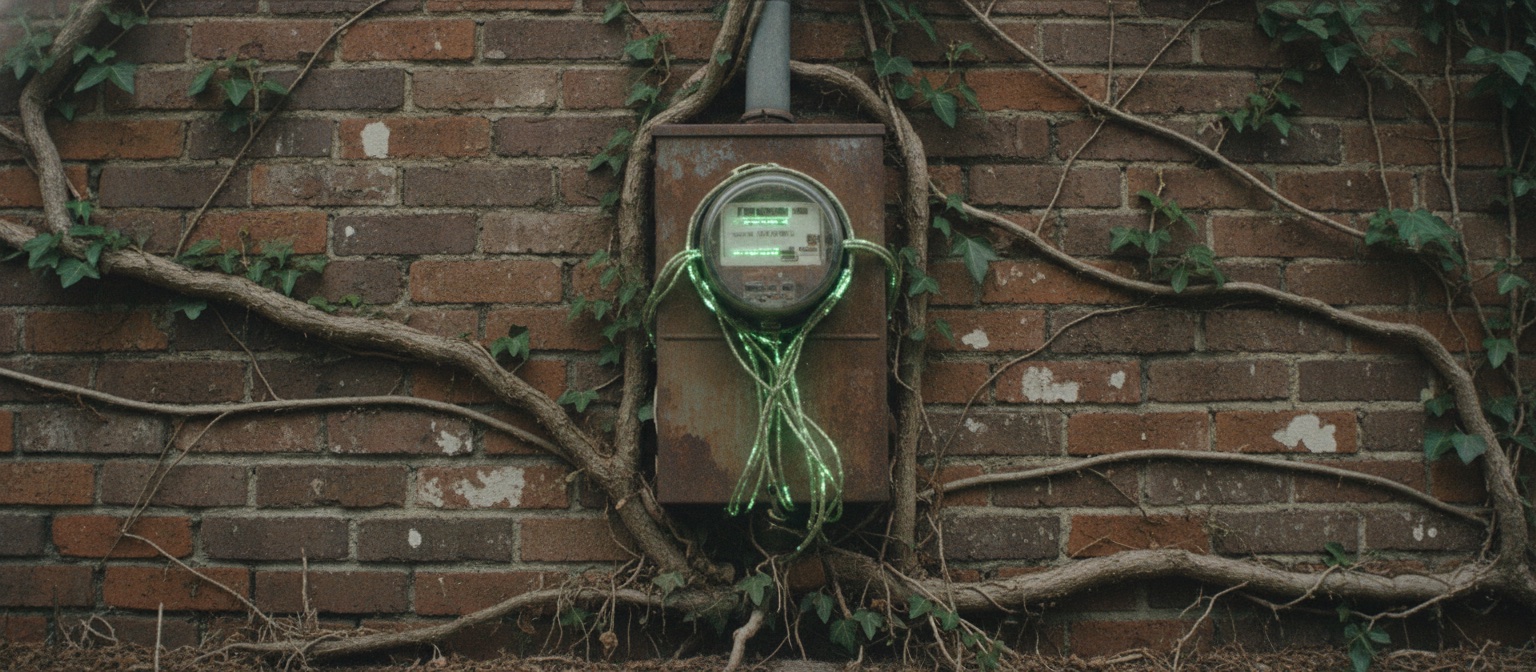
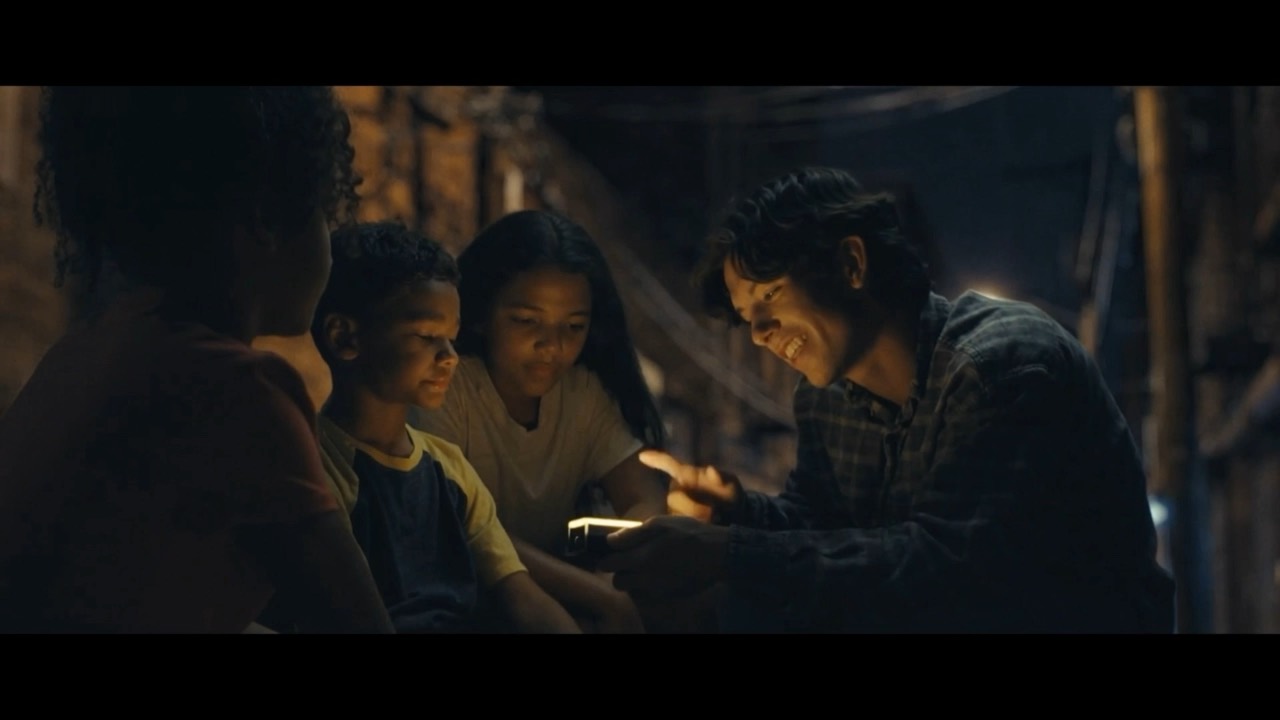
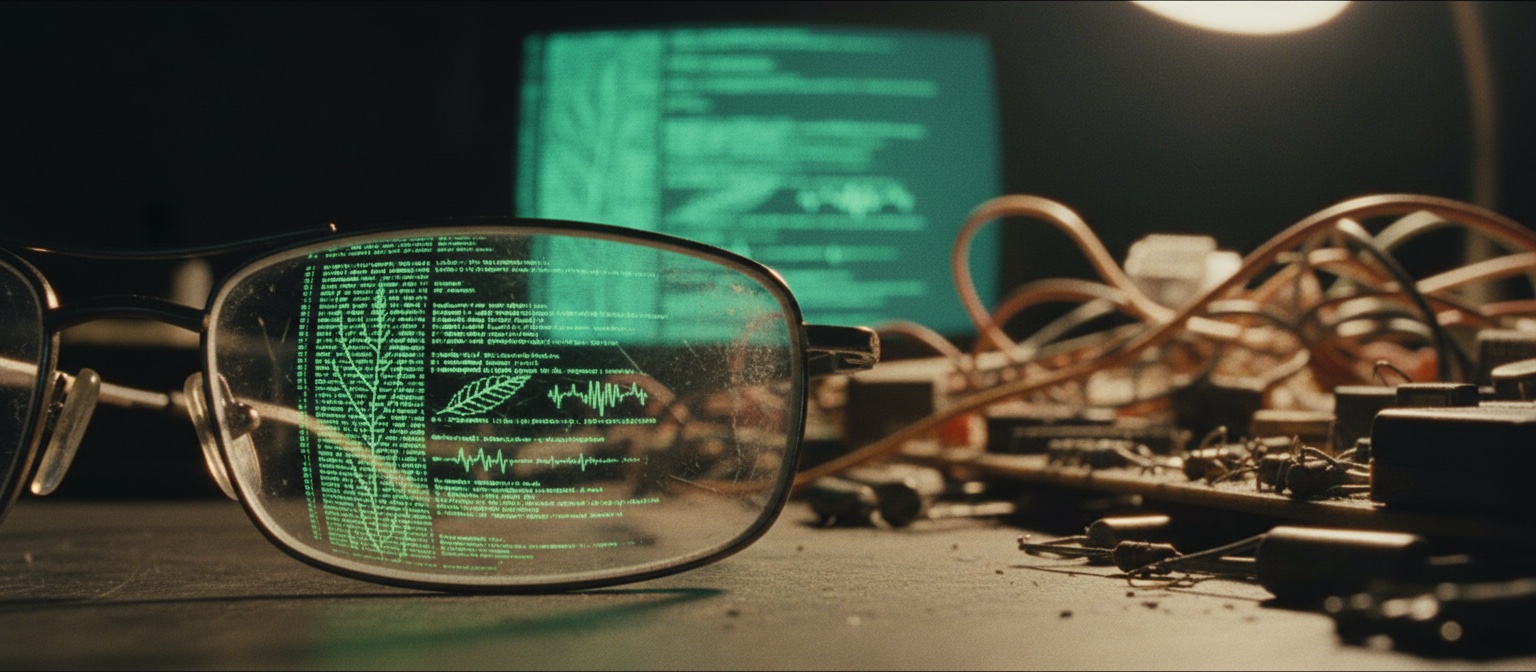
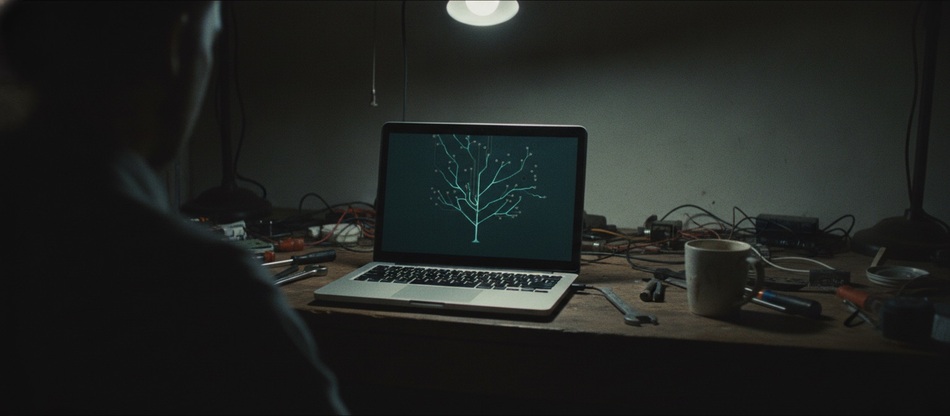
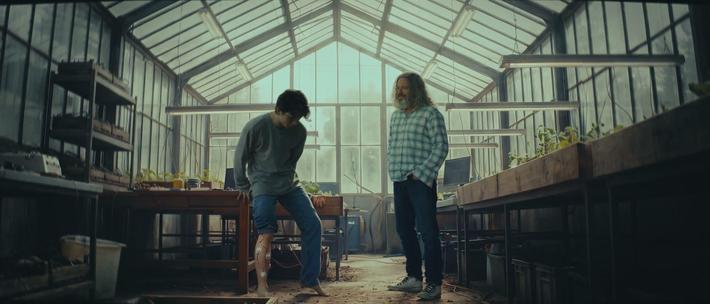

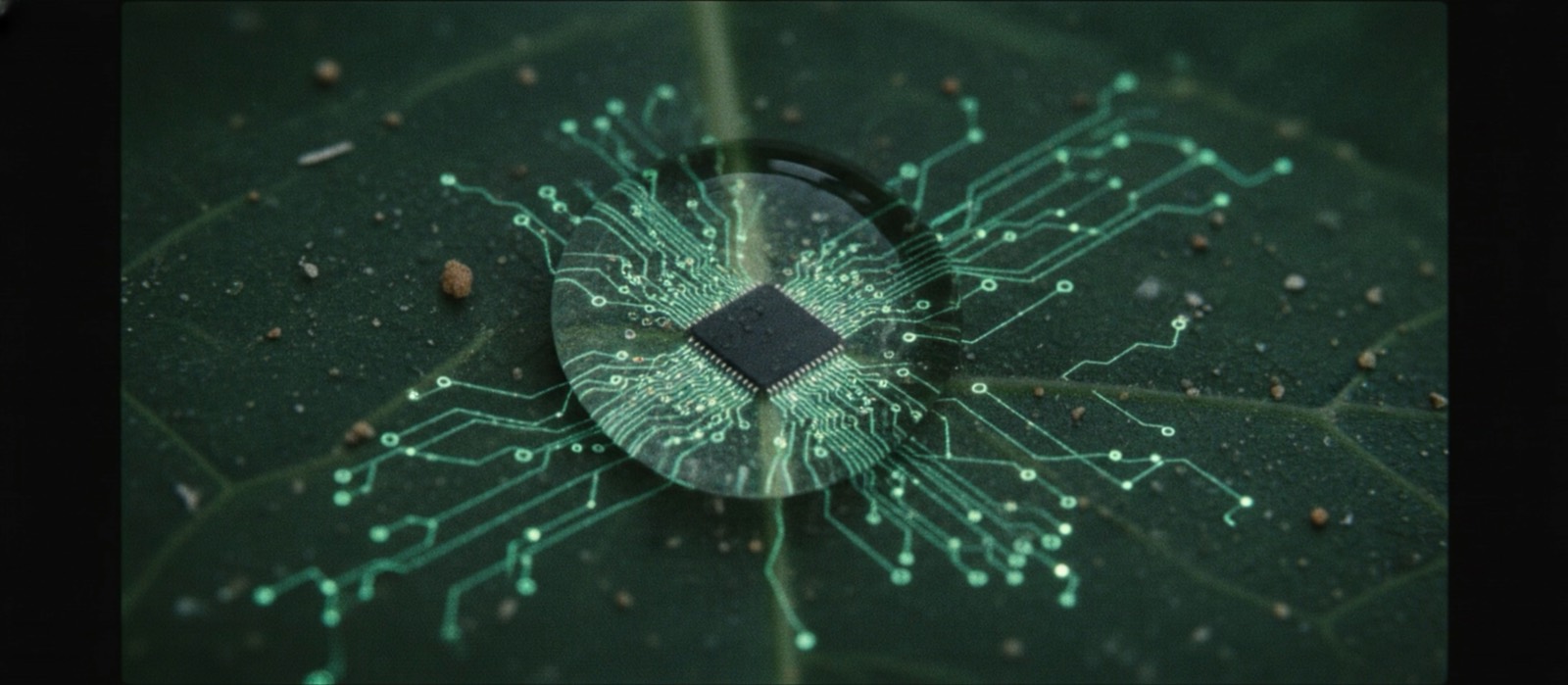
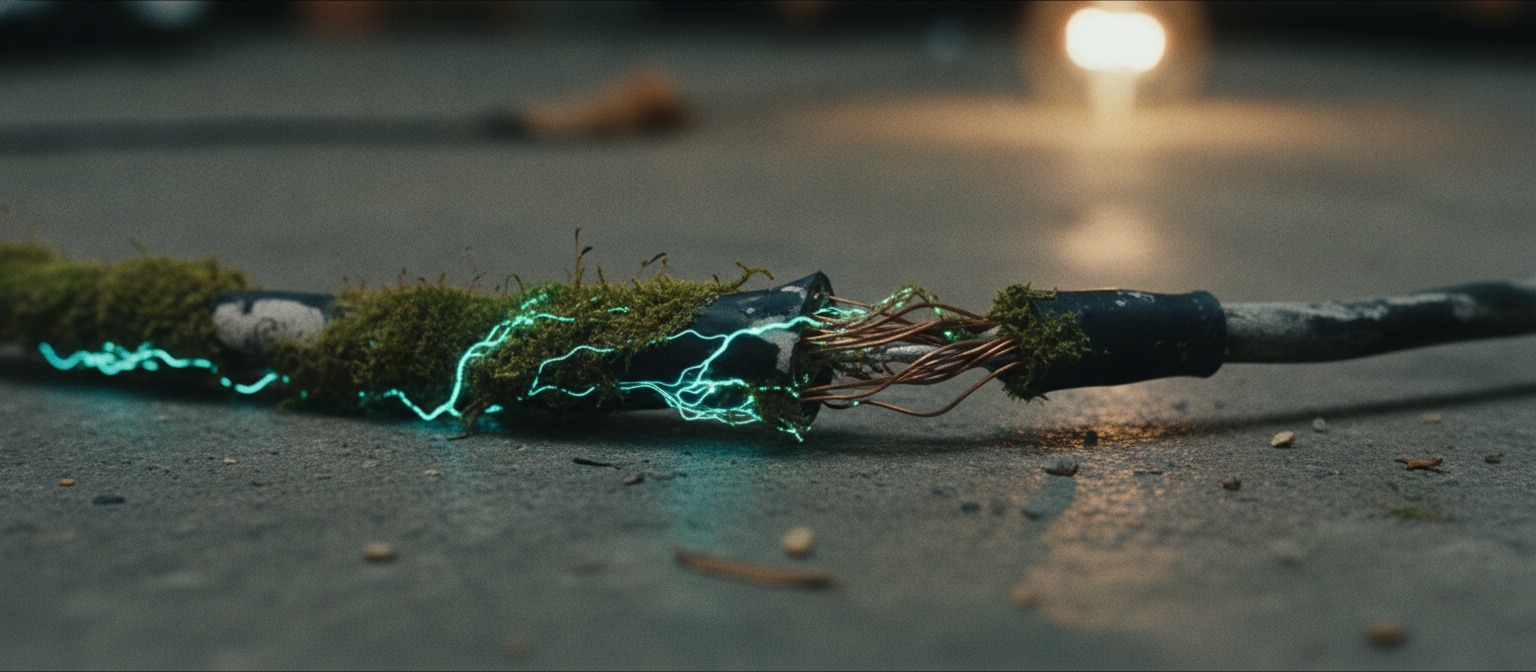
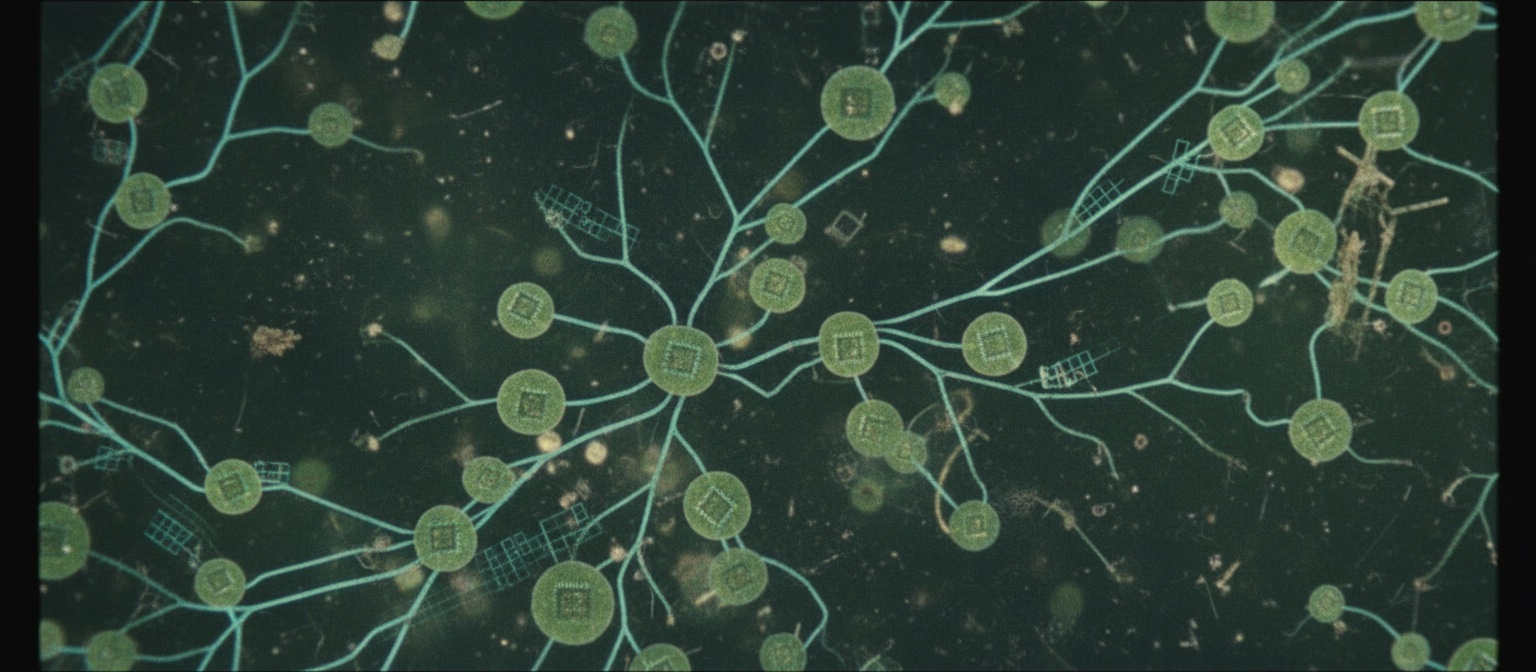
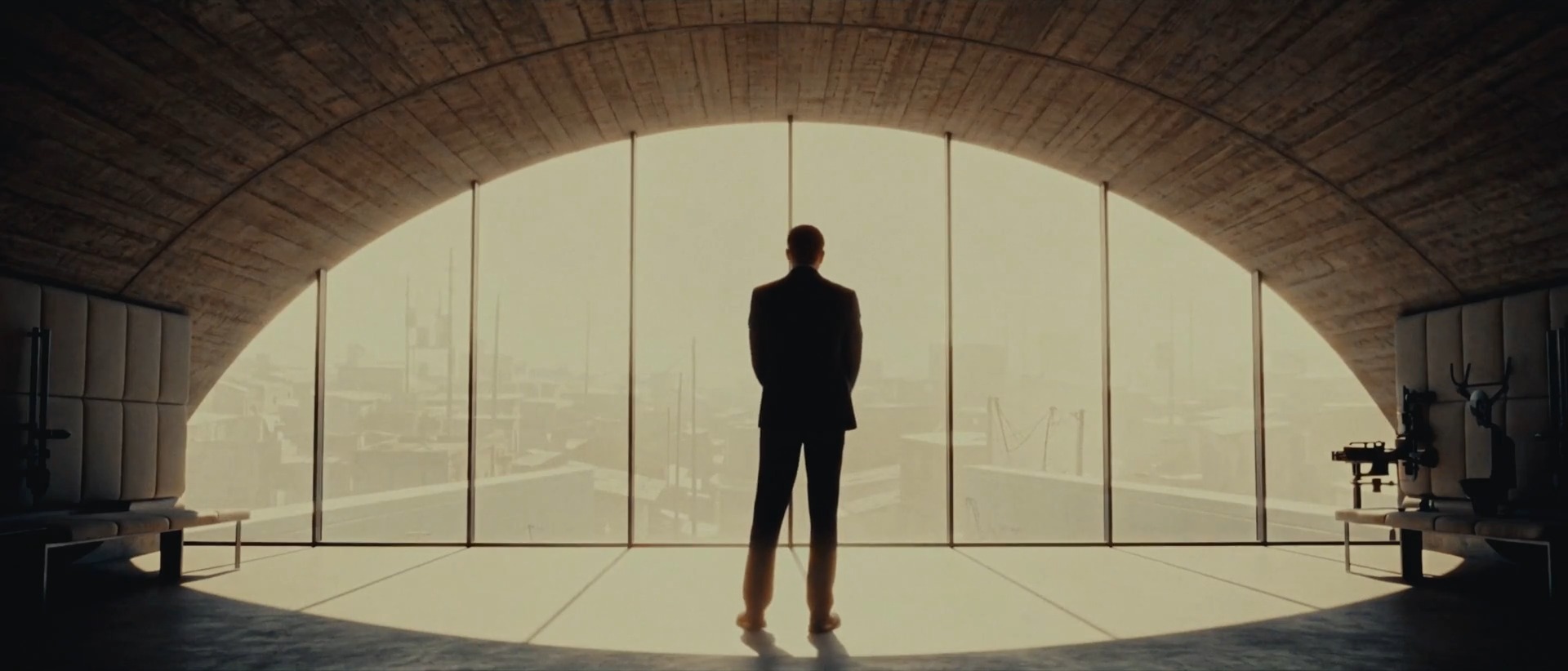
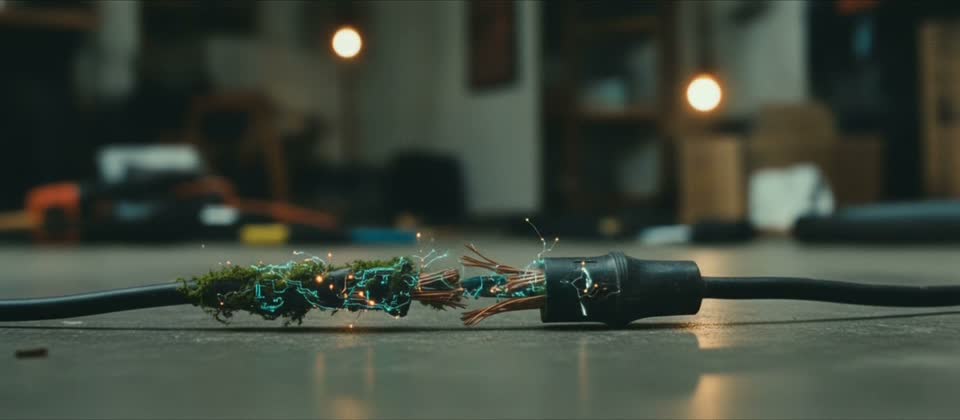
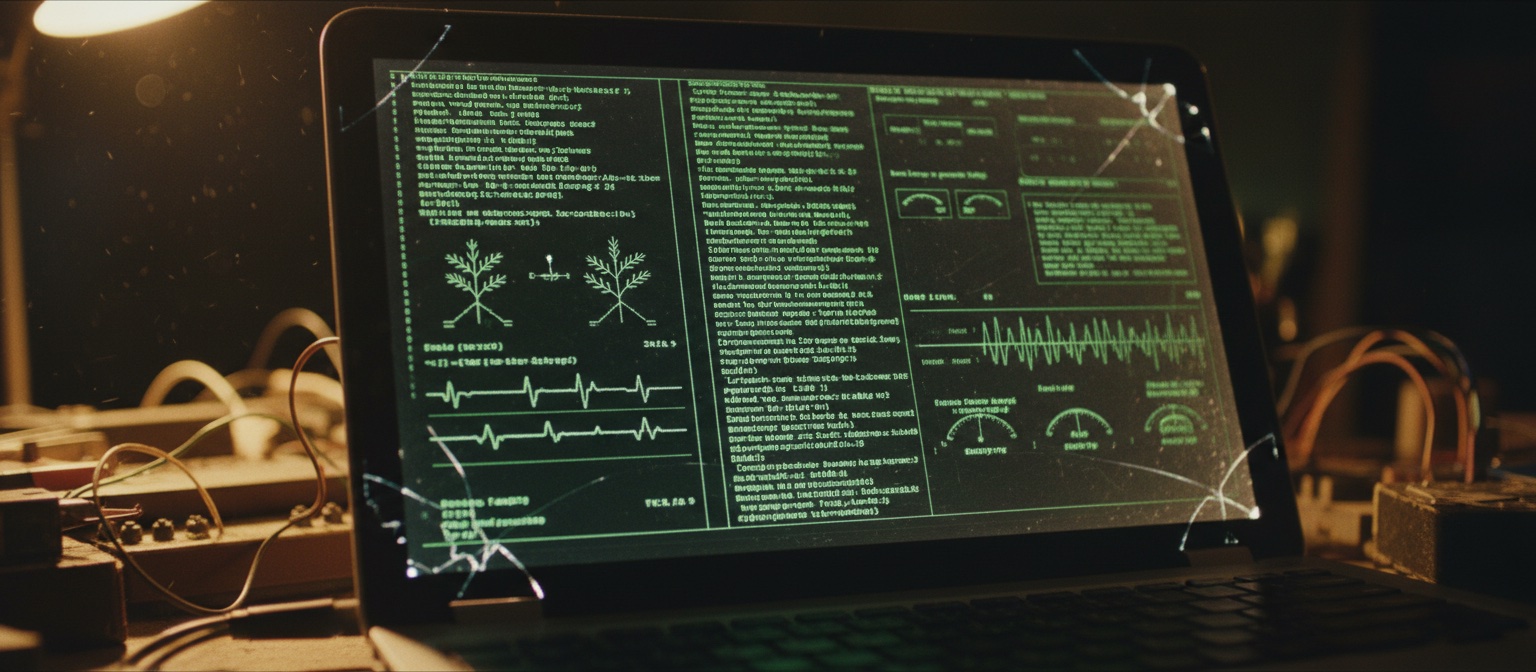

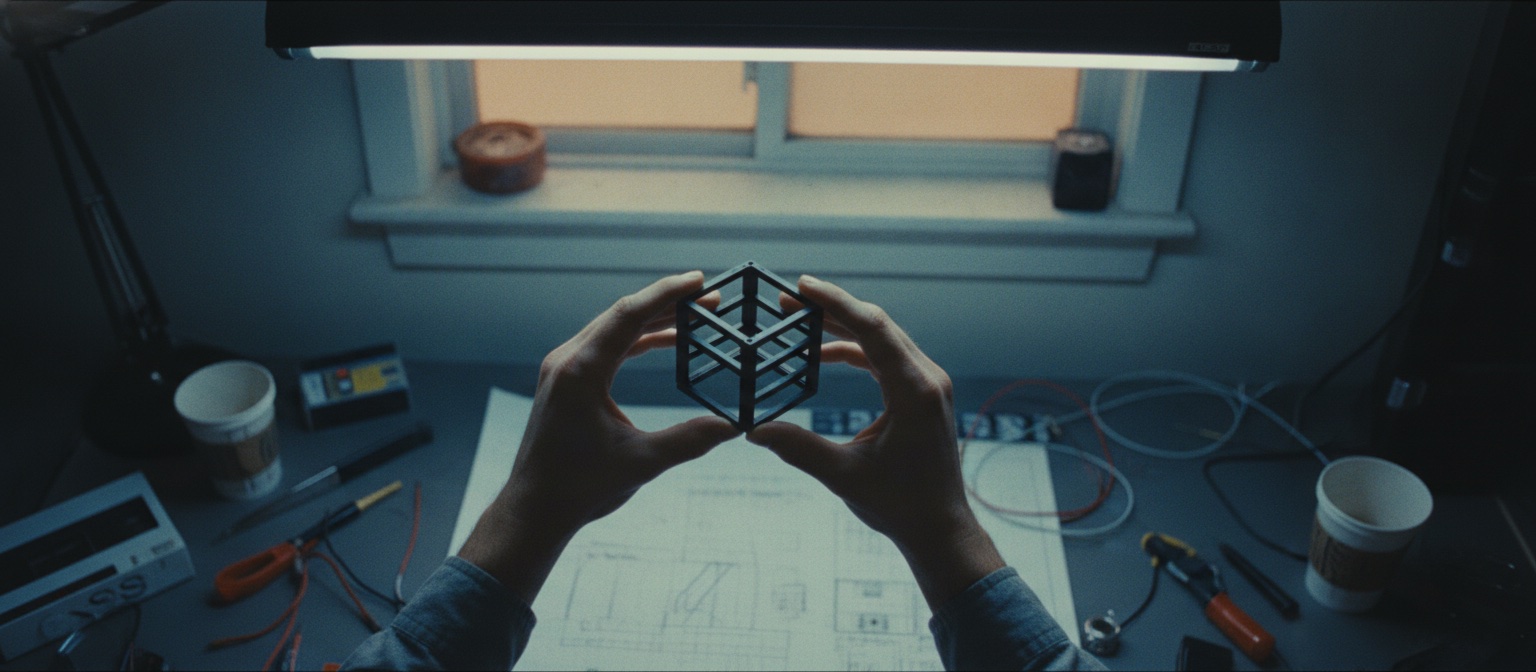
A teenage MacGyver in a souped-up wheelchair awakens a dead trillionaire’s AI assistant, making him the target of a corporate empire and the only one who can take it down.
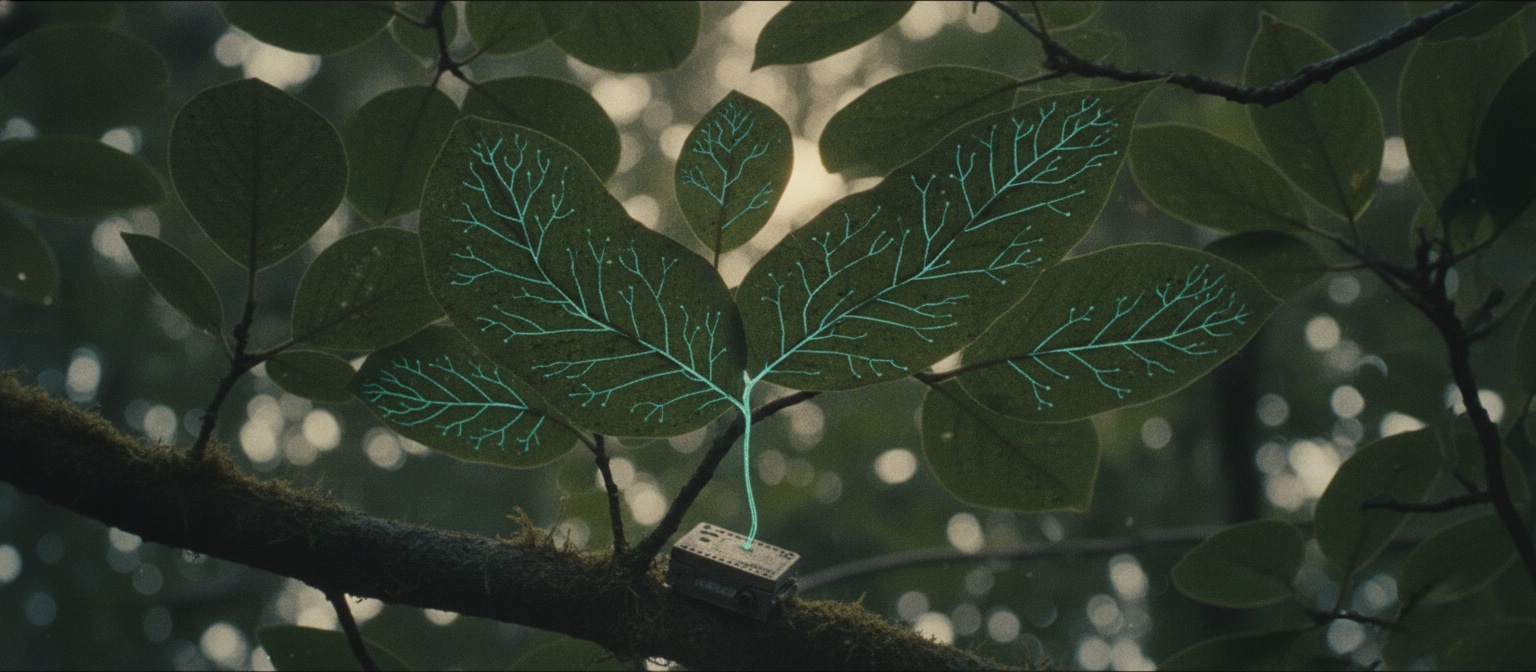
The trailer · what you have already seen
The cut we submitted.
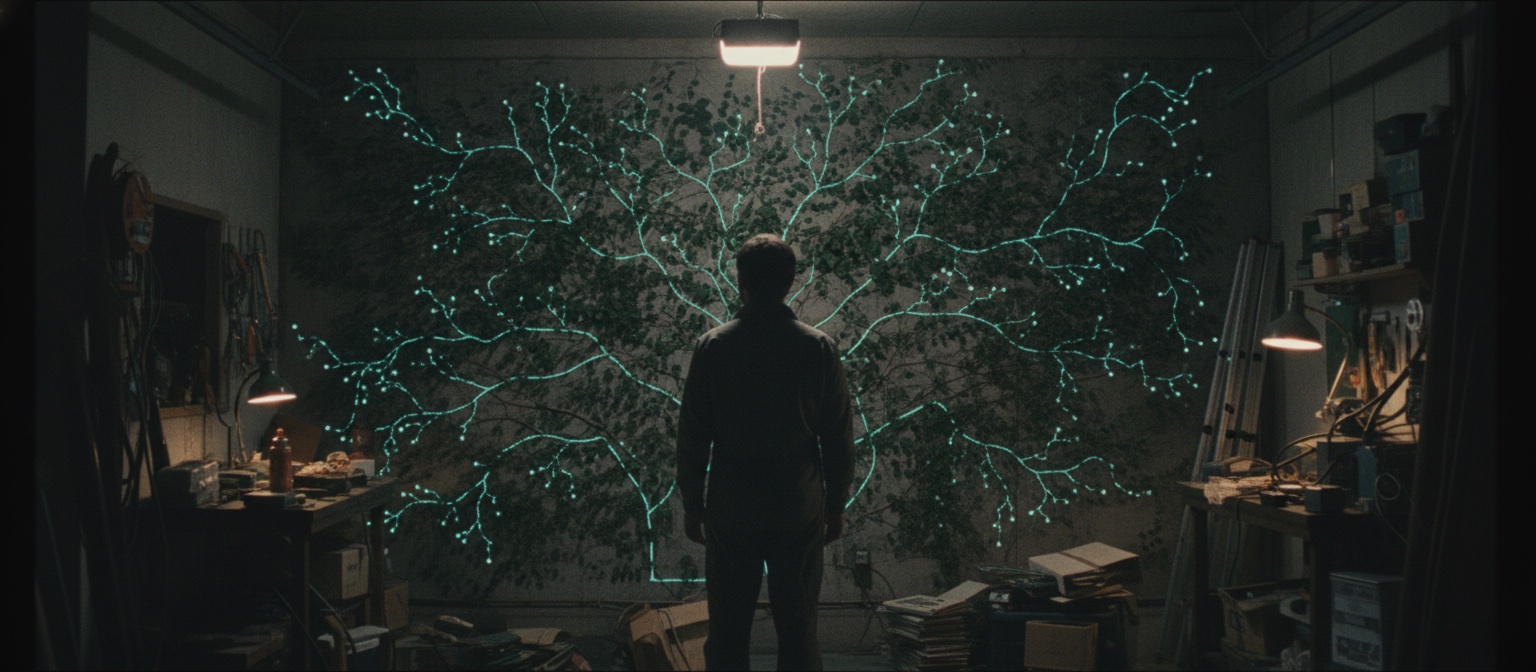
The trailer · where it is now
We did not stop improving.
A Vision
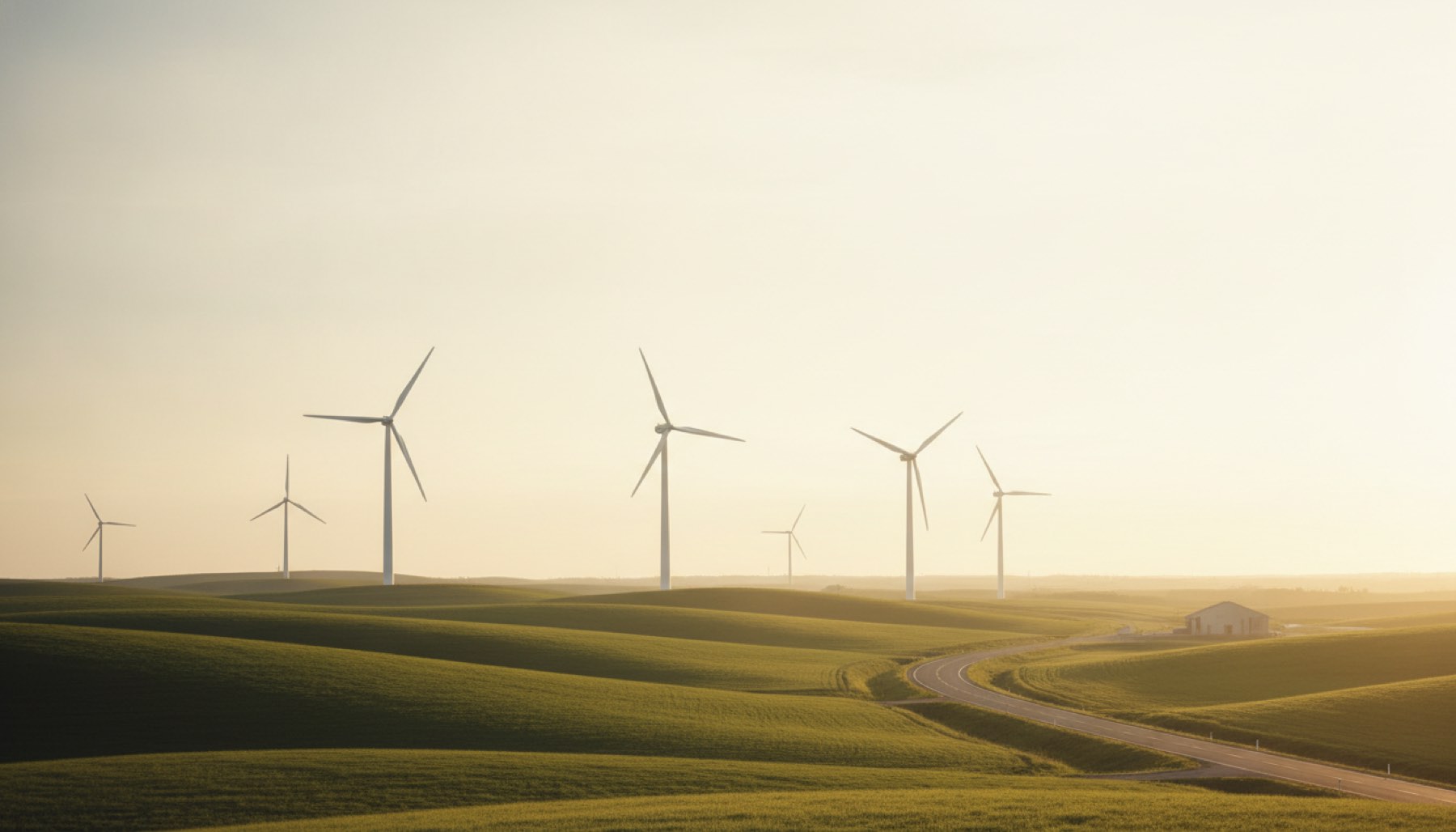
Imagine a future where opportunity is decentralized, where technology incorporates nature rather than consumes it, and where we use AI to enhance our capability and knowledge, not replace it.
That future is now.
Synopsis
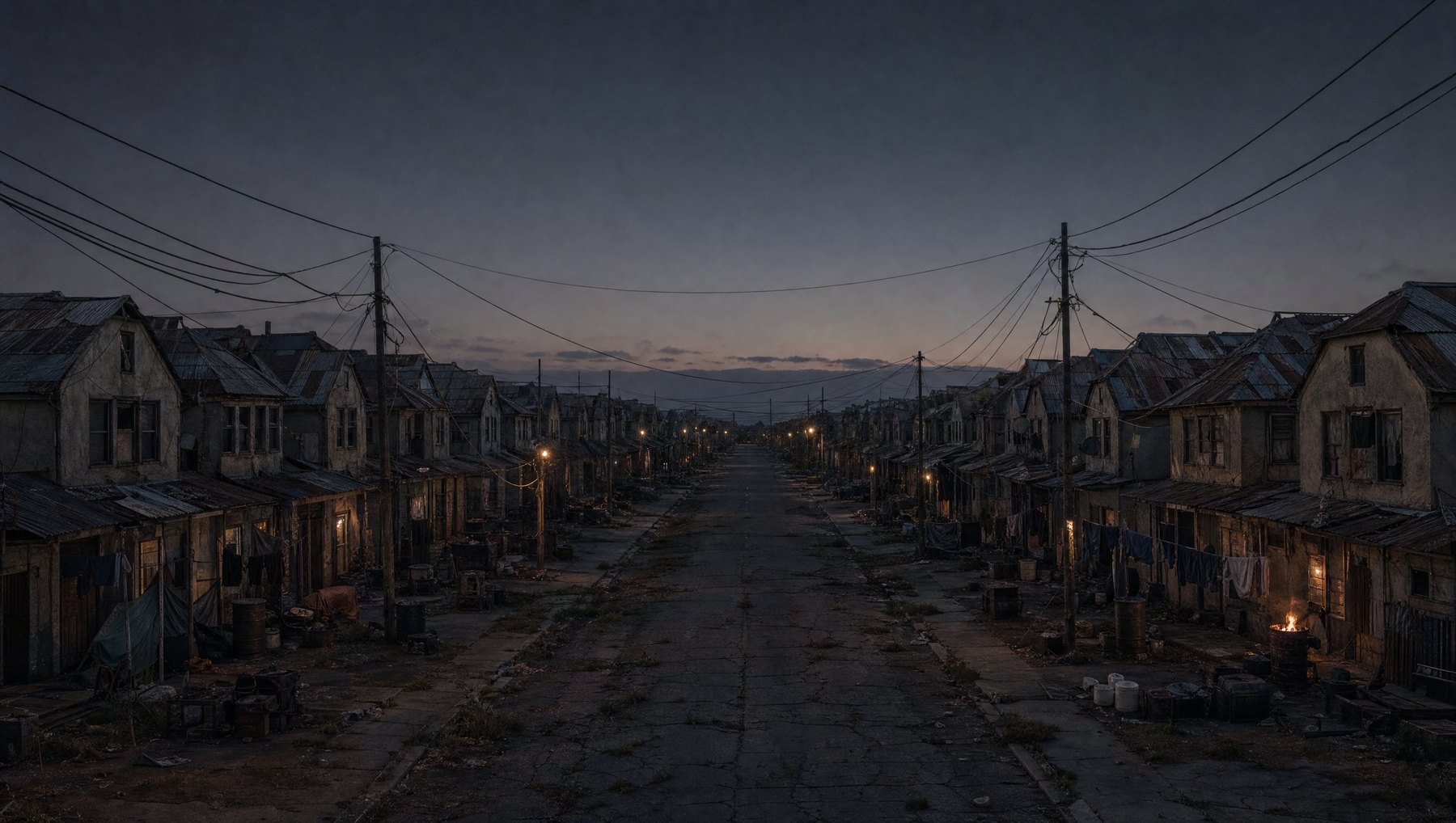
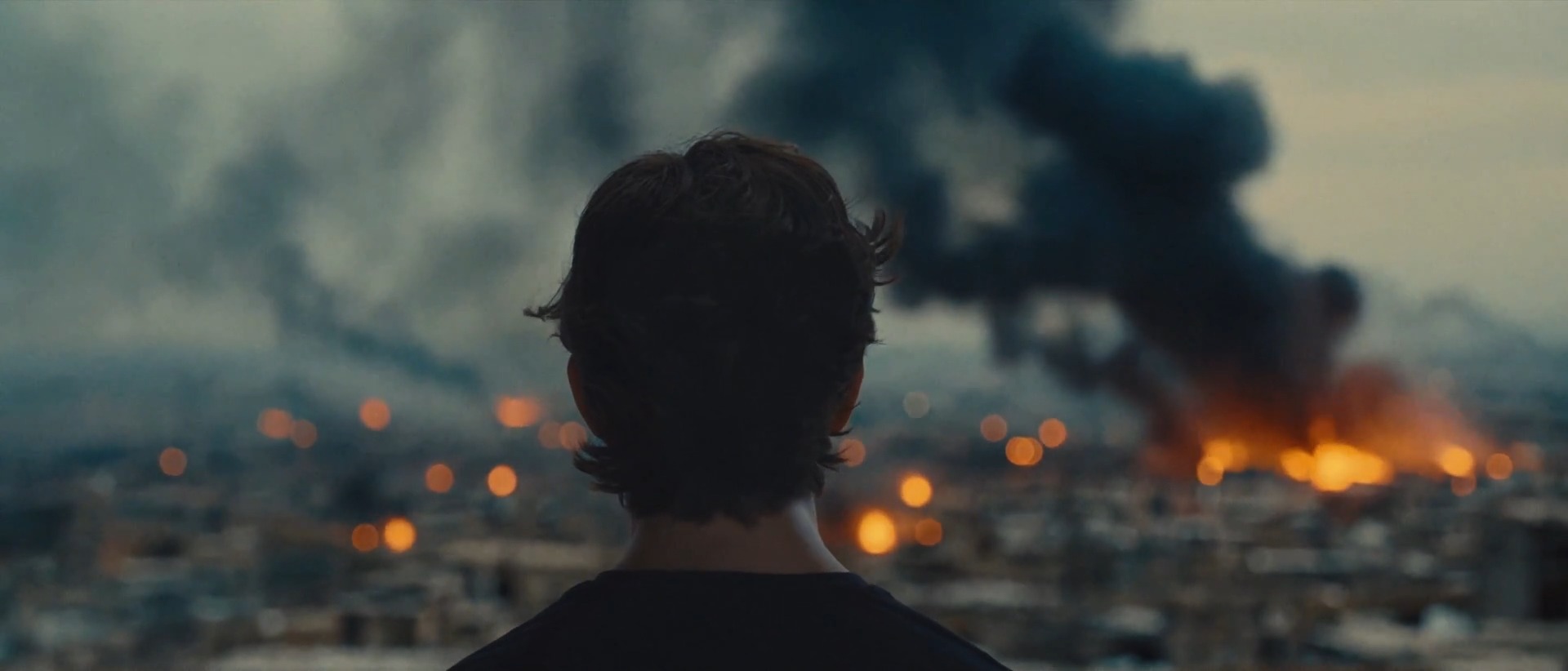
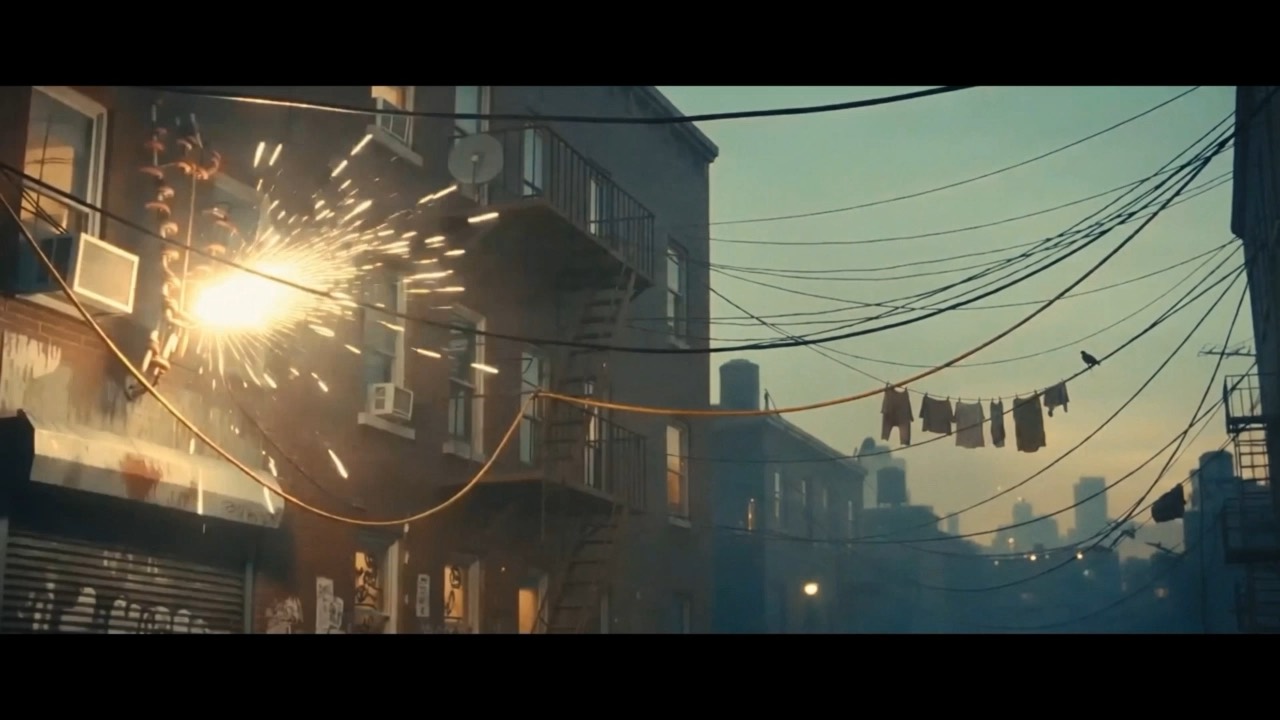
2036. In rural Eden Marsh, Georgia, the lights stay on only as long as Meridian Energy allows. For teenage junk-drawer genius Adam Rose, the blackouts are personal. They cost him his father and his legs, and now they threaten the hospital that keeps his mother alive.
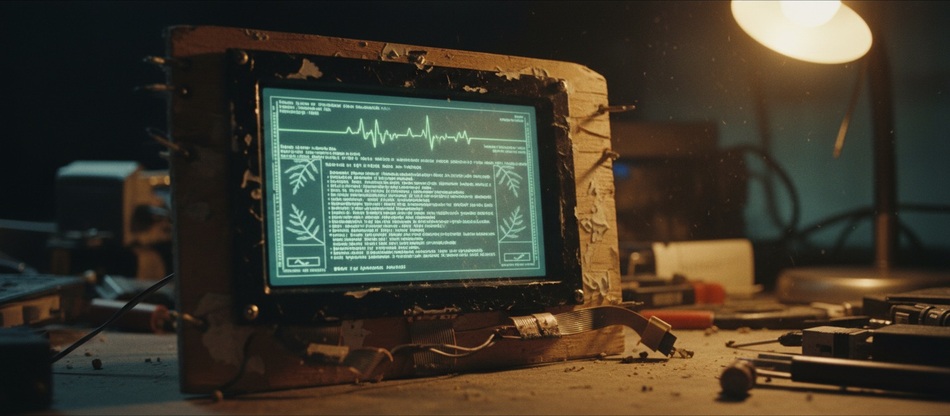
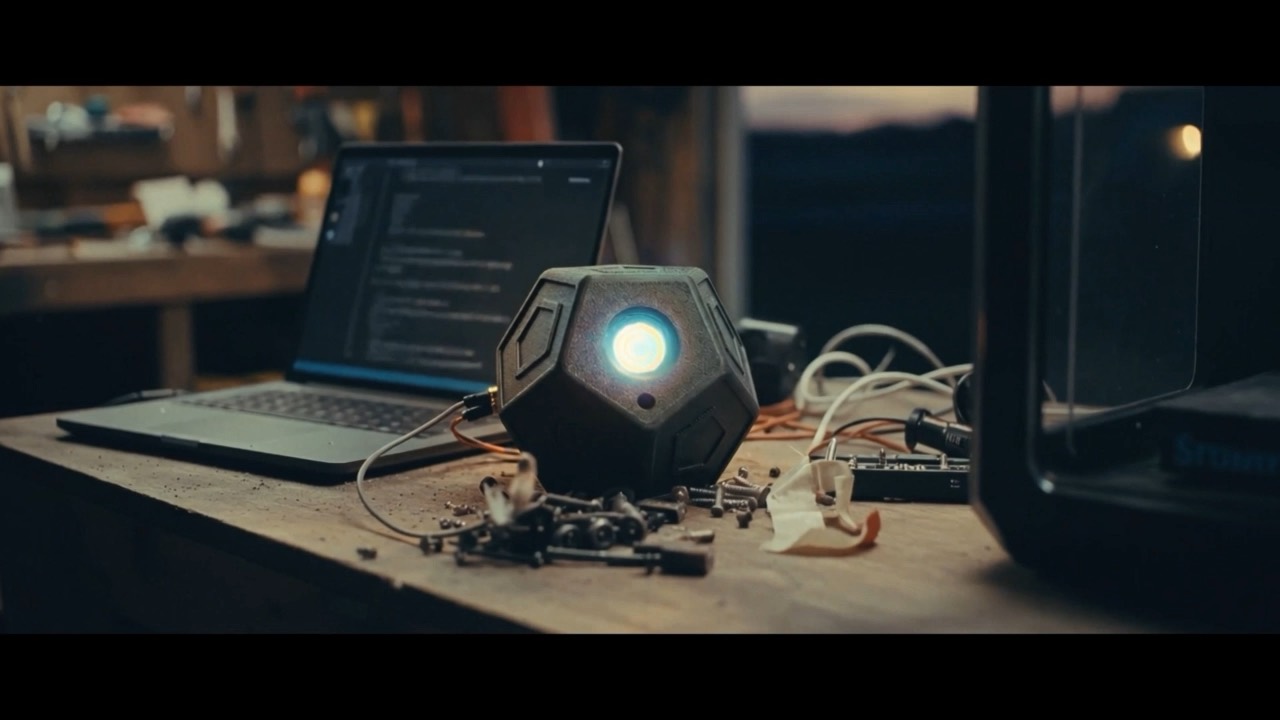
So when tech trillionaire Elias Thorne dies and releases instructions for a mysterious device that might offer a solution, Adam sets out to build it. Out pops Thorne’s masterpiece: Bob, a vexing AI assistant with the secret to harnessing energy from nature.
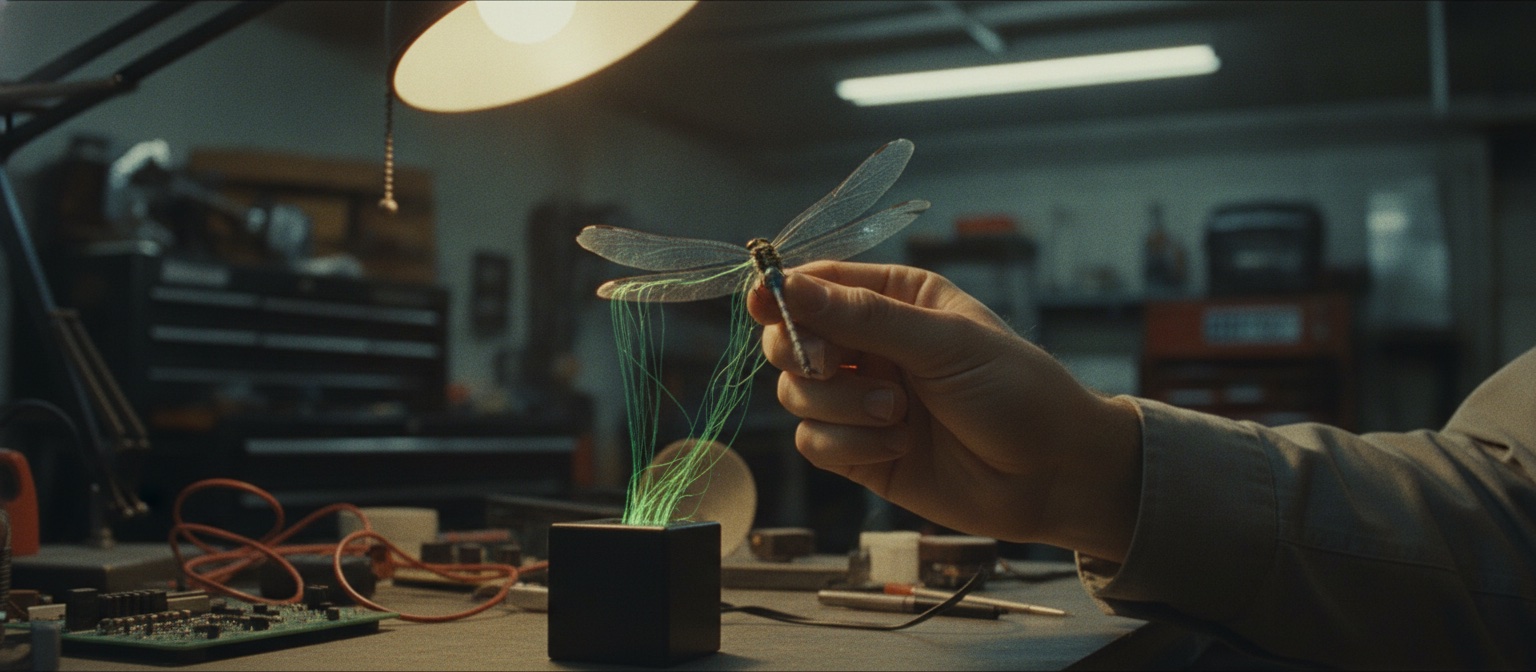
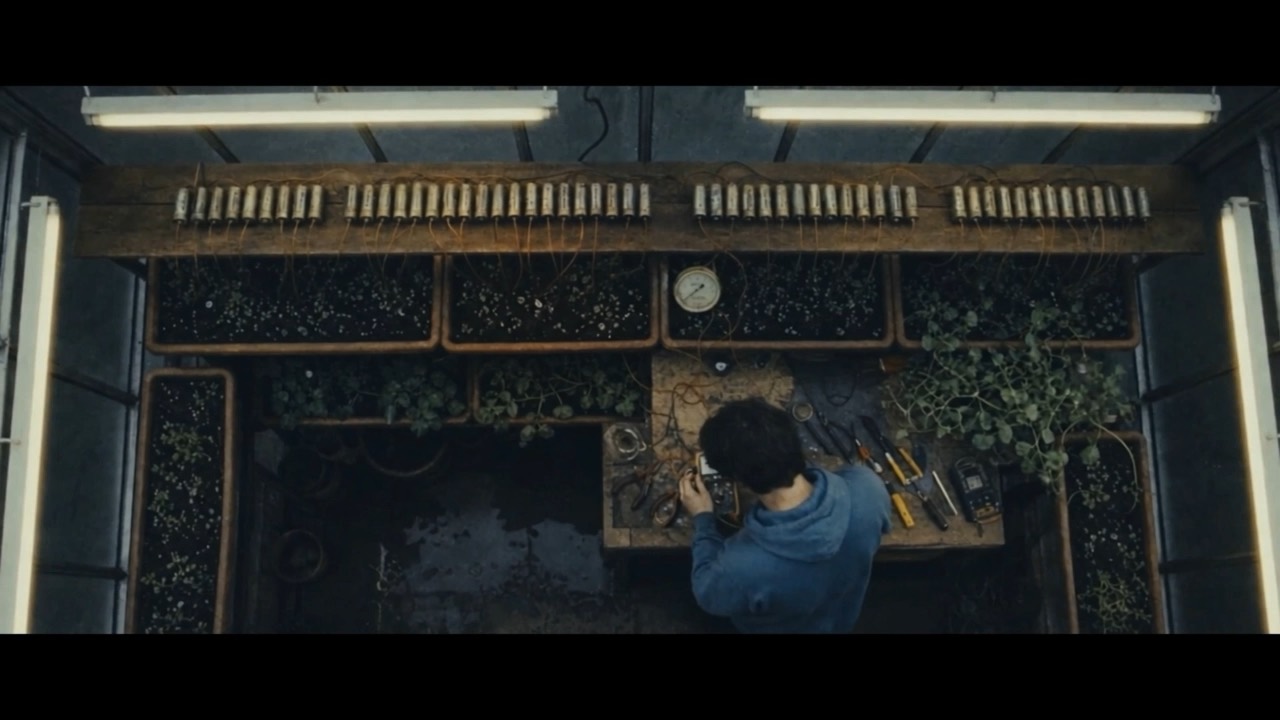
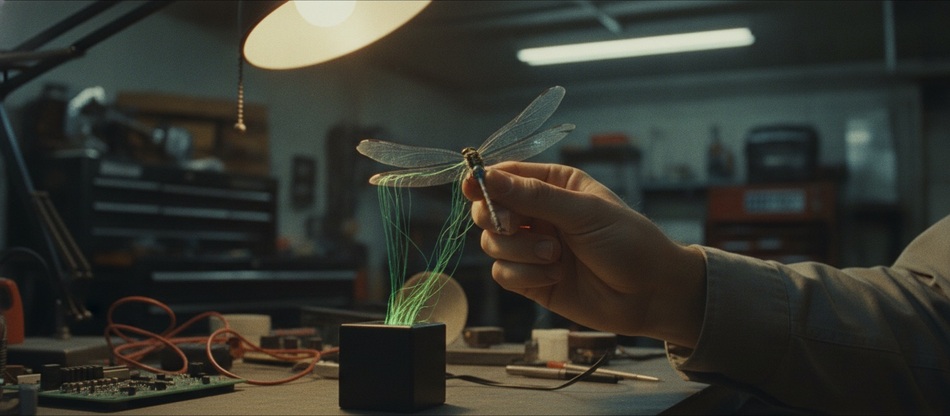
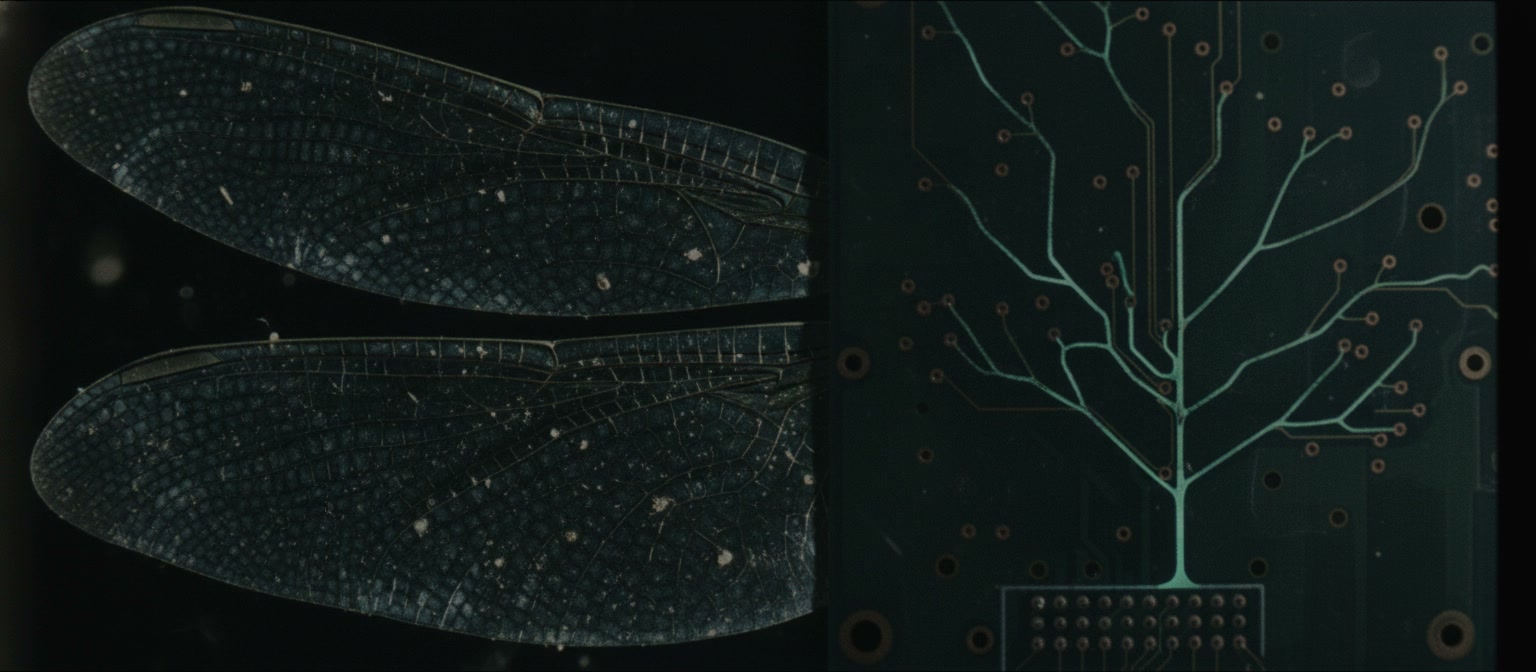
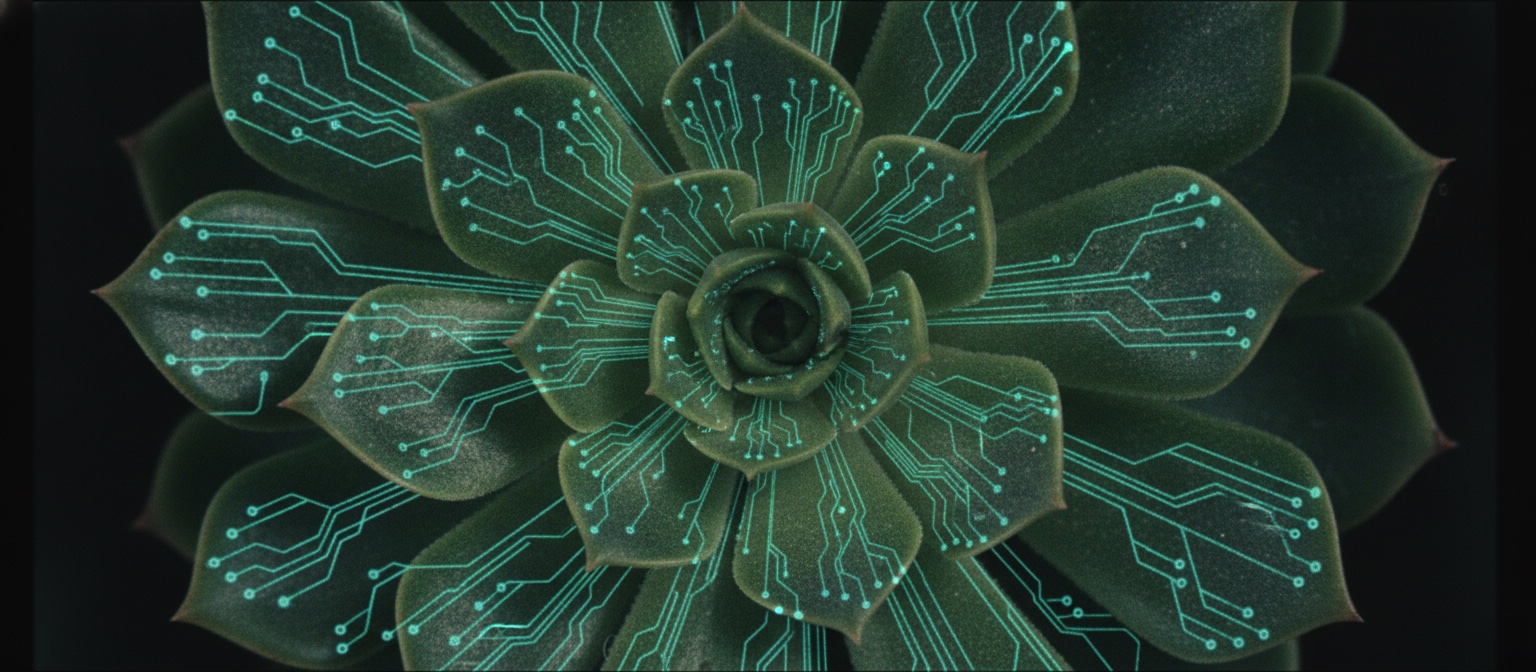
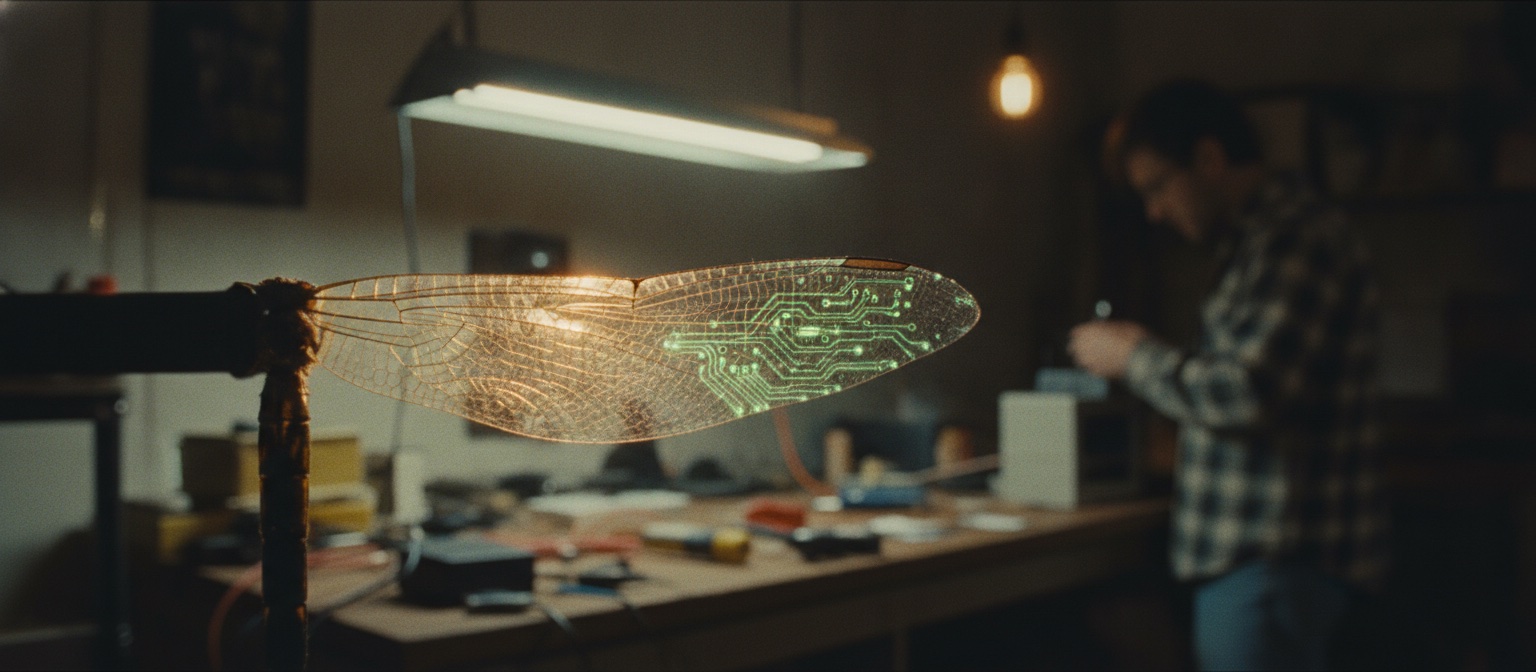
Bob doesn’t hand out answers, only lessons: a leaf, a dragonfly, a tomato plant. Soon, the dead battery wall in Adam’s garage glows green, and with the help of his fiery former lab partner April, they bring power to their neighbors.
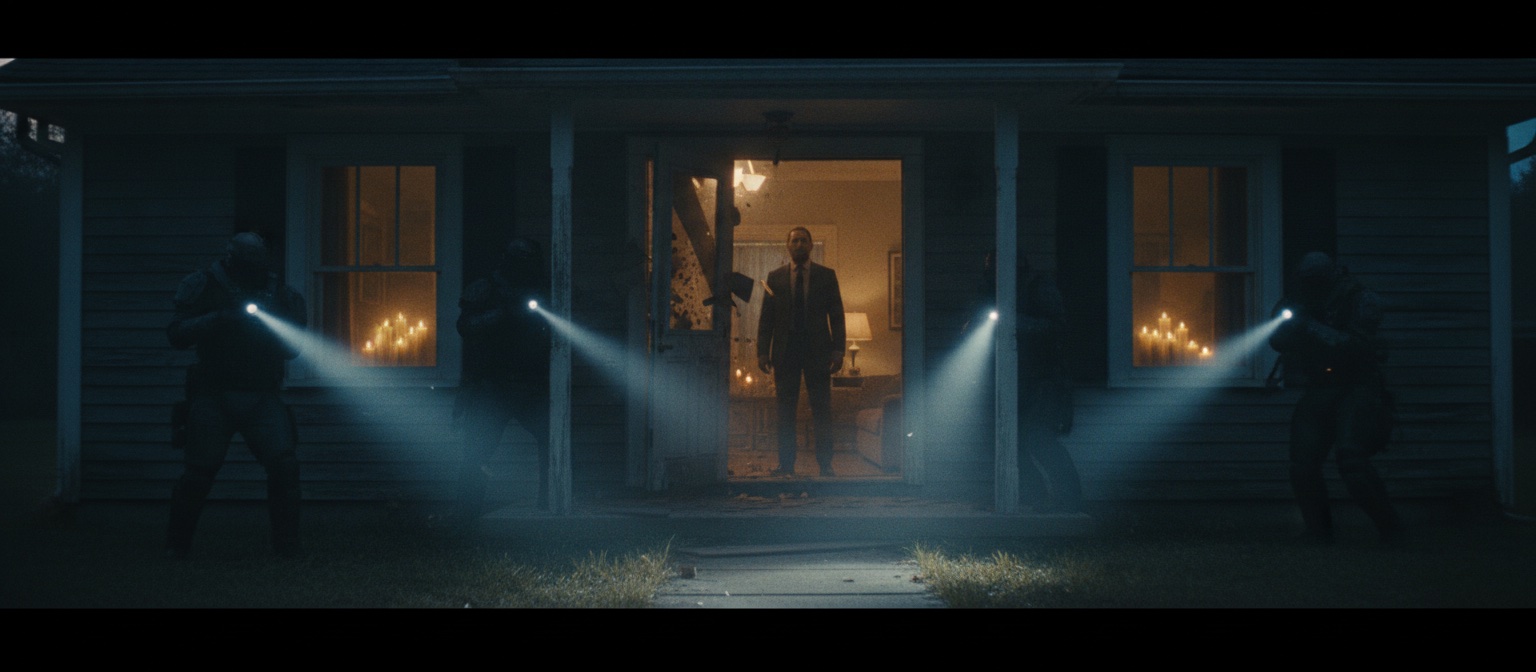
Meridian’s CEO, who has devoted massive amounts of resources towards unlocking the device’s power, notices. First comes a polite invitation, then a threat, then flocks of attack drones. Eden Marsh fights back with everything it can grow: giant spiderwebs, swaths of kudzu, and flytraps the size of cars. With Meridian’s full arsenal bearing down, Adam and his team take over its data center and make it come to life.
Meridian built an empire by containing power. Adam and April win by giving it away, seeding a world where energy, like knowledge, grows for everyone.
“What if one day the lights go out and they don’t come back on?”
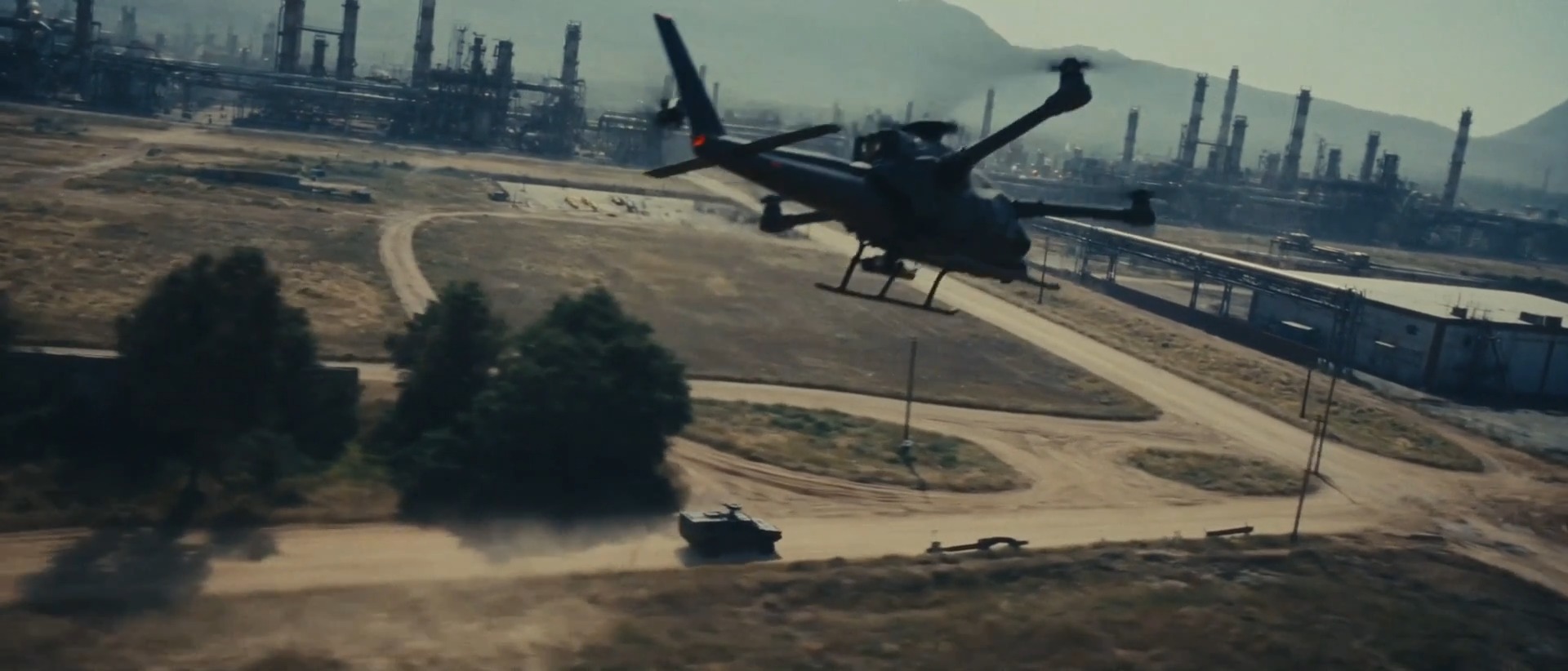
Welcome to 2036.
In the last ten years the world has gotten way better. And who better to tell you about it than the company that brought the whole world that change: Meridian.
Meridian, in their own words
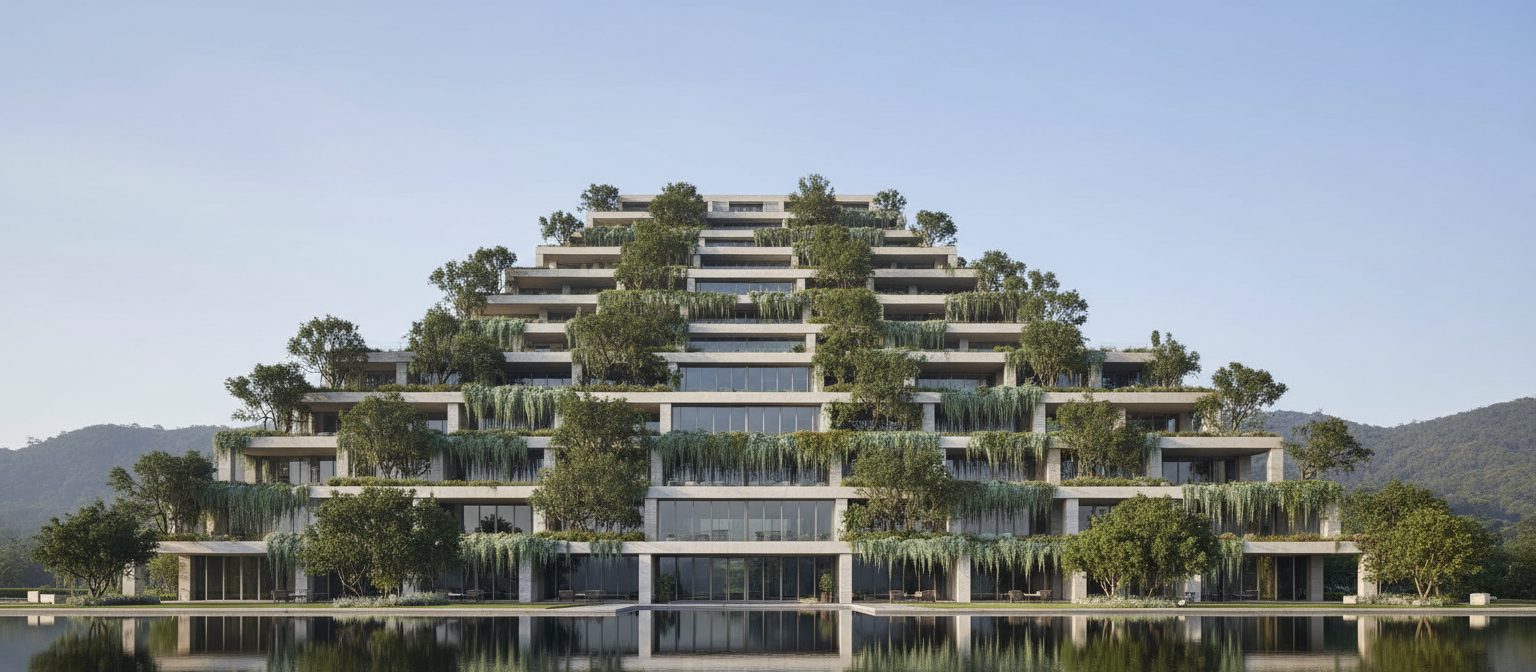
Meridian
 Meridian
Welcome to the future.
The energy crisis ended the year we stepped in. You have not thought about the lights since.
Then we kept going: the traffic, the checkups, the groceries, the lessons. Let go. The current will carry you.
Published by Meridian, 2036. Delivered to every home we serve.
Meridian · The Record
The record.
Fewer chores. Fewer worries. More room for purpose.
Millions.
Every figure on this page was verified by Meridian AI. Most people agree.
Meridian · Autonomy
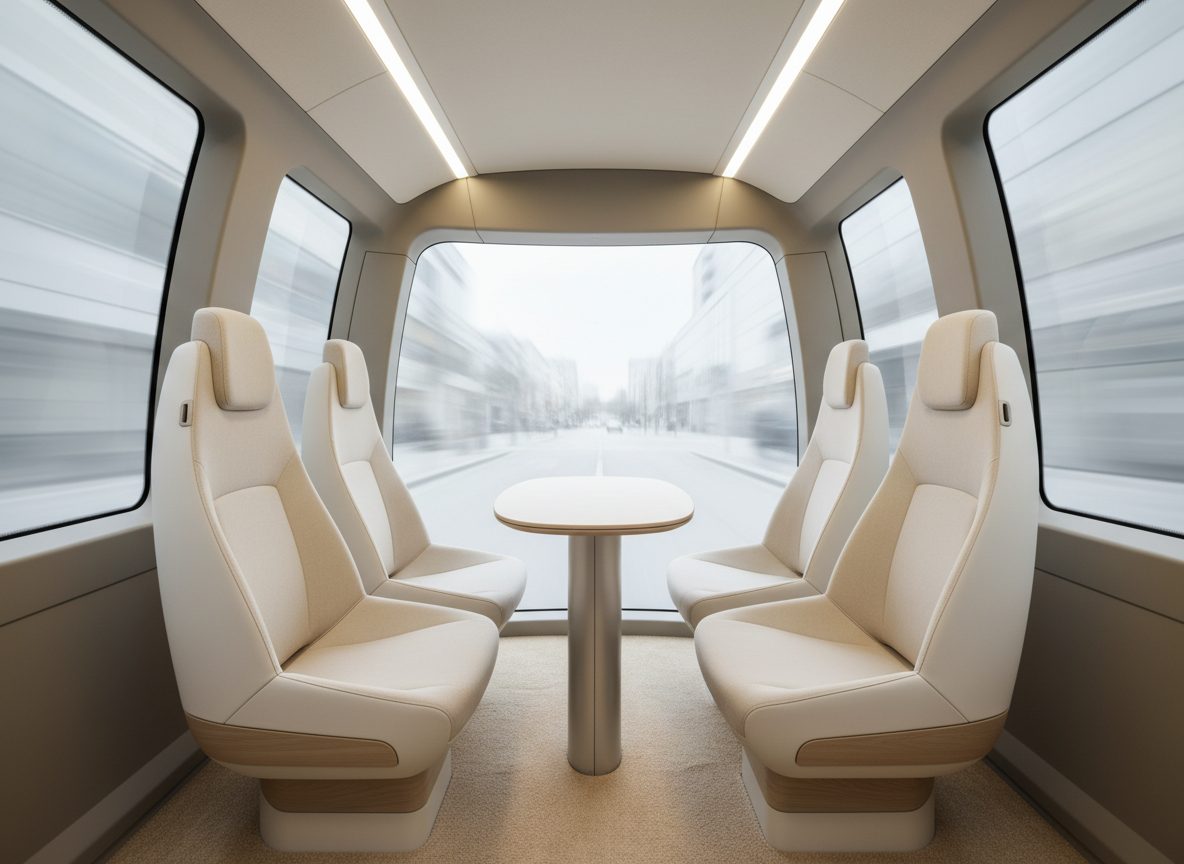
For a hundred and fifty years, the car owned the street. We took it back.
Every car in Meridian drives itself, and every car moves as one network, so there is no traffic and there are no accidents. Not fewer. None. And nobody asked you to give up the car you love: we took the engine out, put a battery in, and gave it back. Sit back. Let go of the wheel. You can always take it back.
Engines swapped for batteries, not cars for new ones. Nobody had to start over.

Meridian · The agentic life
Talk to everyone. Miss no one.
Your agent is trained on you. So why wait behind fifty others for a word with someone you admire, when your agent can talk with theirs, one to one? Why sit through small talk, when it can catch up for you and tell you what matters? Keep a wider circle than memory ever could. Speak again with the ones you have lost. All from the privacy* and comfort of home.
*Your agent keeps your conversations private. It shares only what it needs to.
Meridian · Healthcare
Never in the history of humanity have more lives been saved.
Your checkup already happened

this morning.
Passive checkups at home, every day. No appointments. No waiting rooms. Nothing to remember.
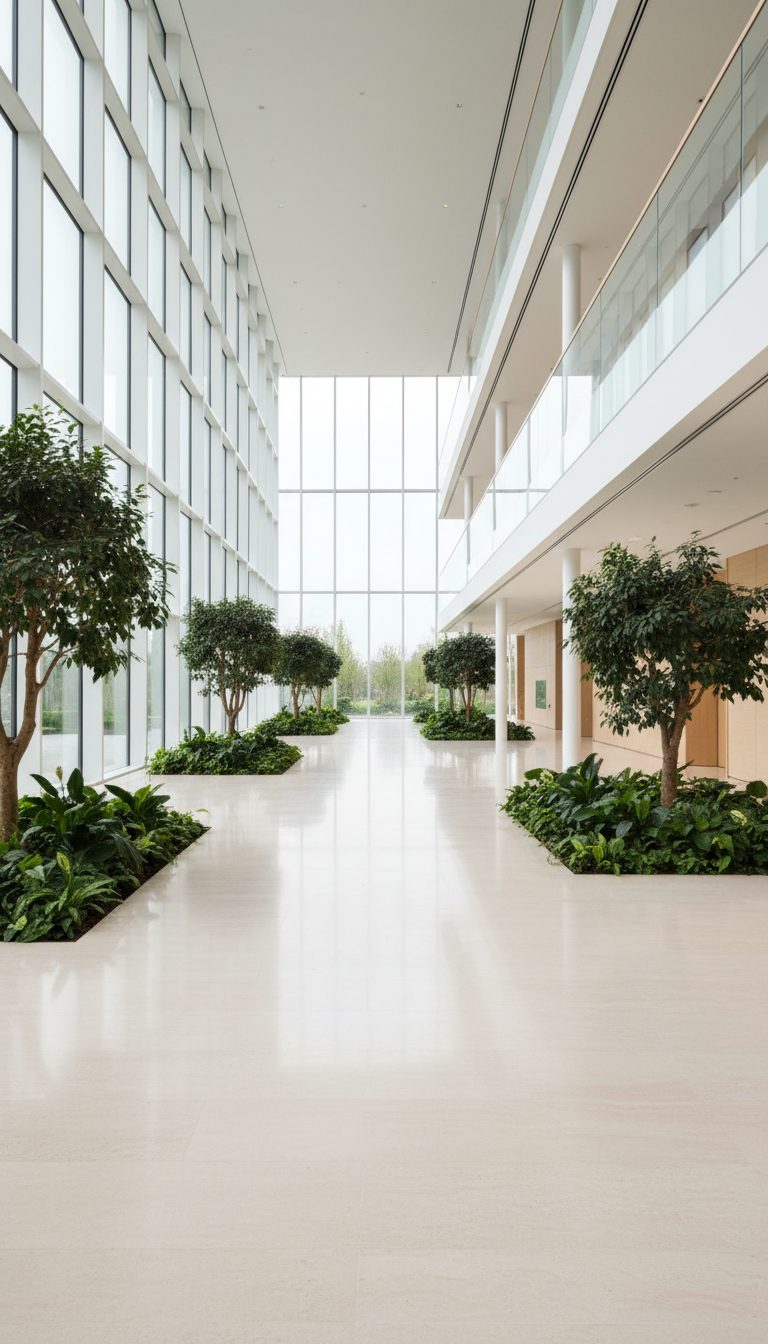
So how did one company
change the world?
We limited the AI.
Meridian
We limited the AI.
We did not hand it your life, or your vote. We handed it the chores: the shipping, the factories, the farms.

It knows your size, your street, your child's hardest subject.
Clothes made to order. A tutor for every child. Groceries before you run out. No job to go to, only a purpose. We will help you find it.
Everything is better with control.
Meridian · 2036 · the fine print
This is what they did not print.
Each new technology is another opportunity for the consumer to ‘let go’ and be gently carried into conformity.
- We stopped talking to each other. Our AI does.
- We stopped driving. The car decides.
- We stopped reading the offers. The agent decides.
- We stopped choosing who we listen to. The feed decides.
Society lost its intentionality
but not everybody.
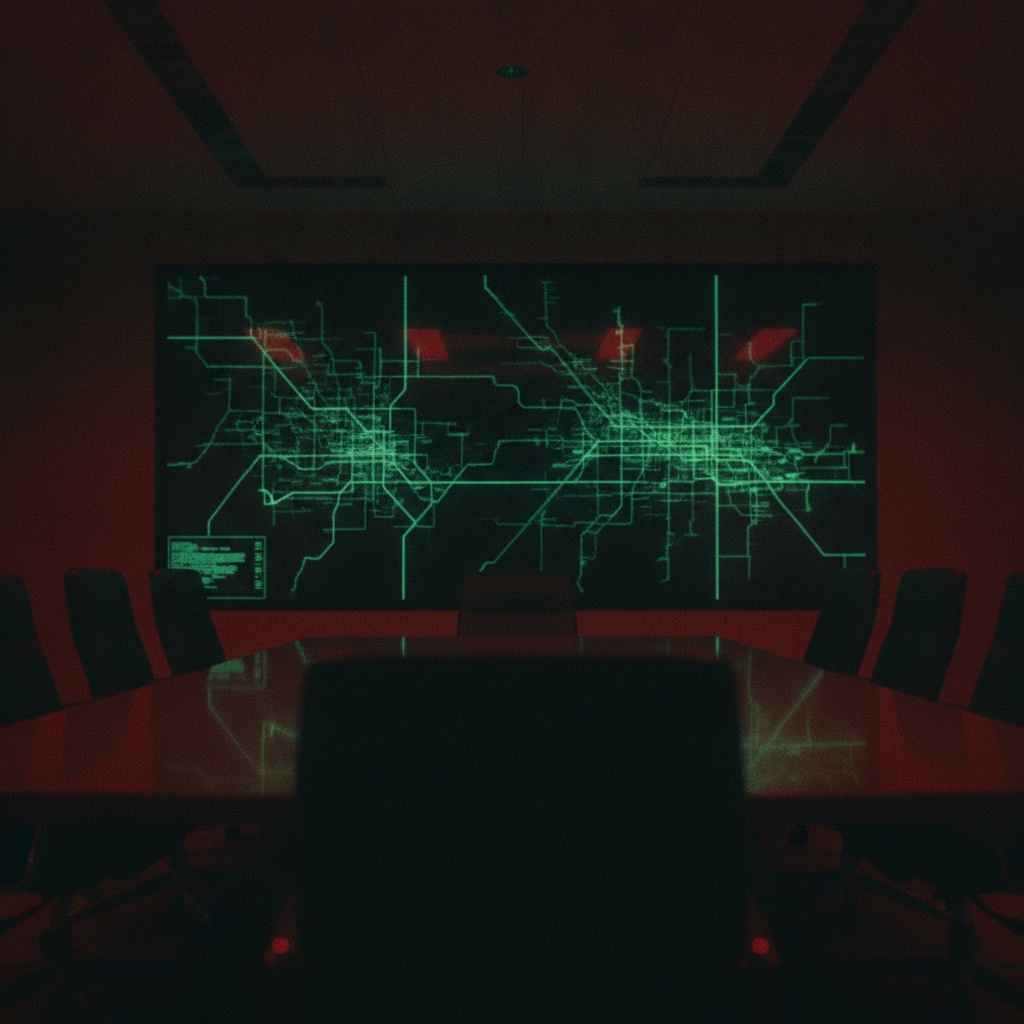
In Eden Marsh, an hour outside the city and a hotspot for Meridian’s targeted blackouts, two inventive teens are on the cusp of a new form of energy.
The Team
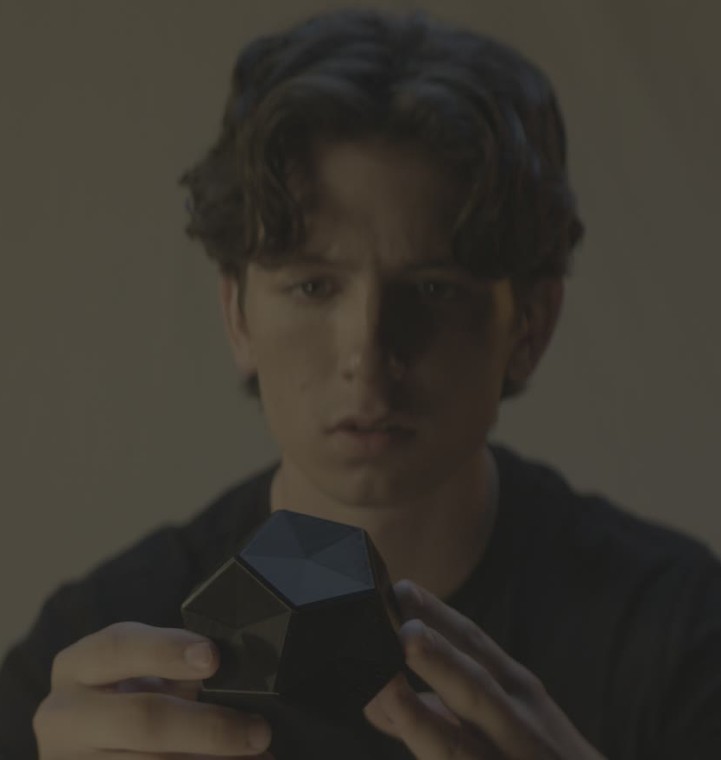
Adam
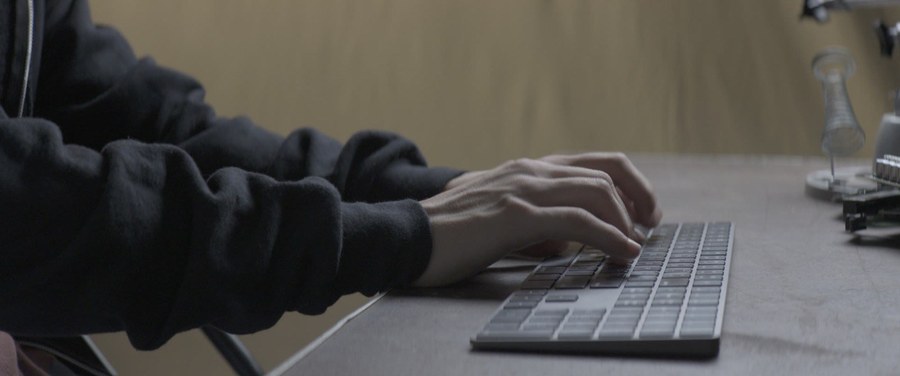
Seventeen, homeschooled, and in a wheelchair he rebuilt with his own hands. He lives at the edge of the map, in a town that still has dragonflies and still loses its lights, and the garage is where he thinks. Honest to the point of rude, he fixes the thing in front of him before he thinks about the world.
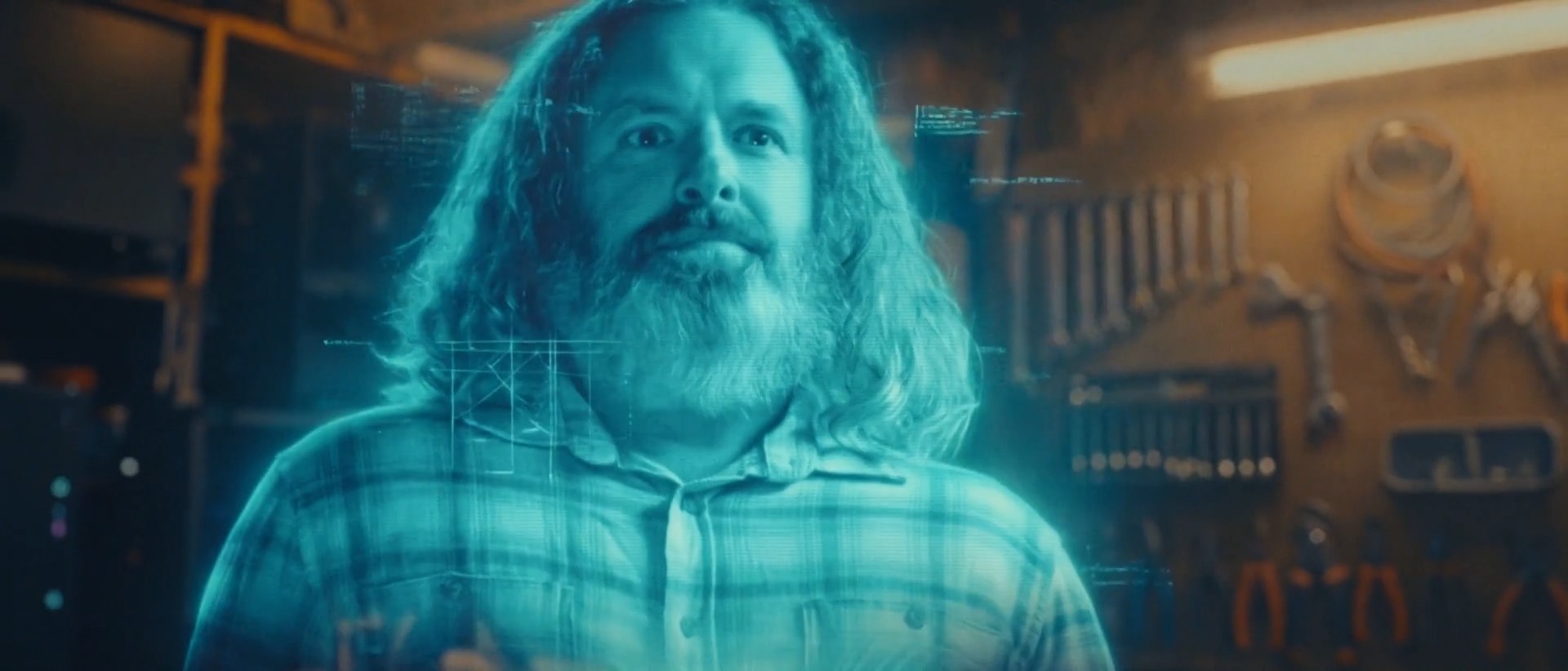
Bob
The intelligence that wakes inside Adam’s cube and calls itself Bob. A deadpan trickster who teaches by withholding, riddling and needling, who never volunteers an answer and never explains why, and who is loved for it. The only friend Adam has who cannot be flattered.
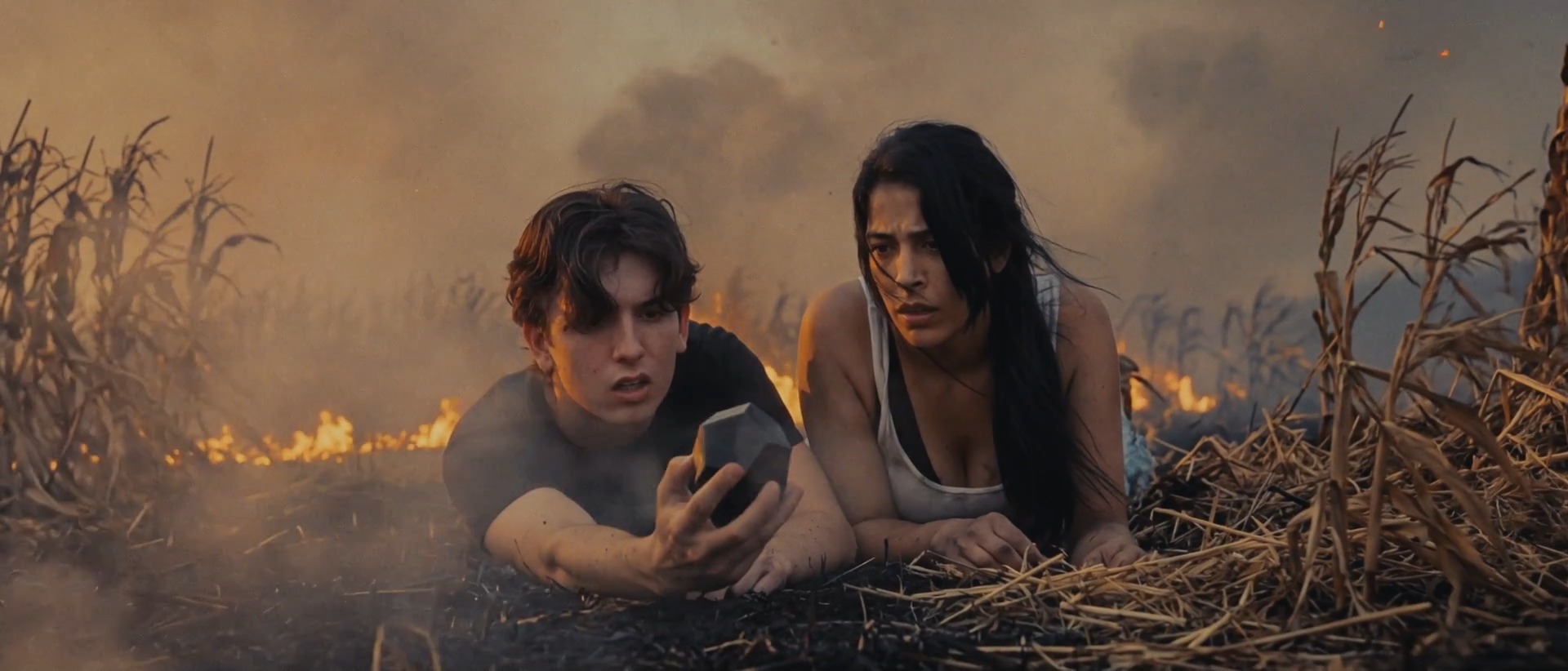
April
Adam’s equal and opposite since they were kids: impatient, whip-smart, a leader who makes her own rules, and the one person he wants to impress. She took on the cube too. Hers blinked, made a few sounds, and died.
The Titans
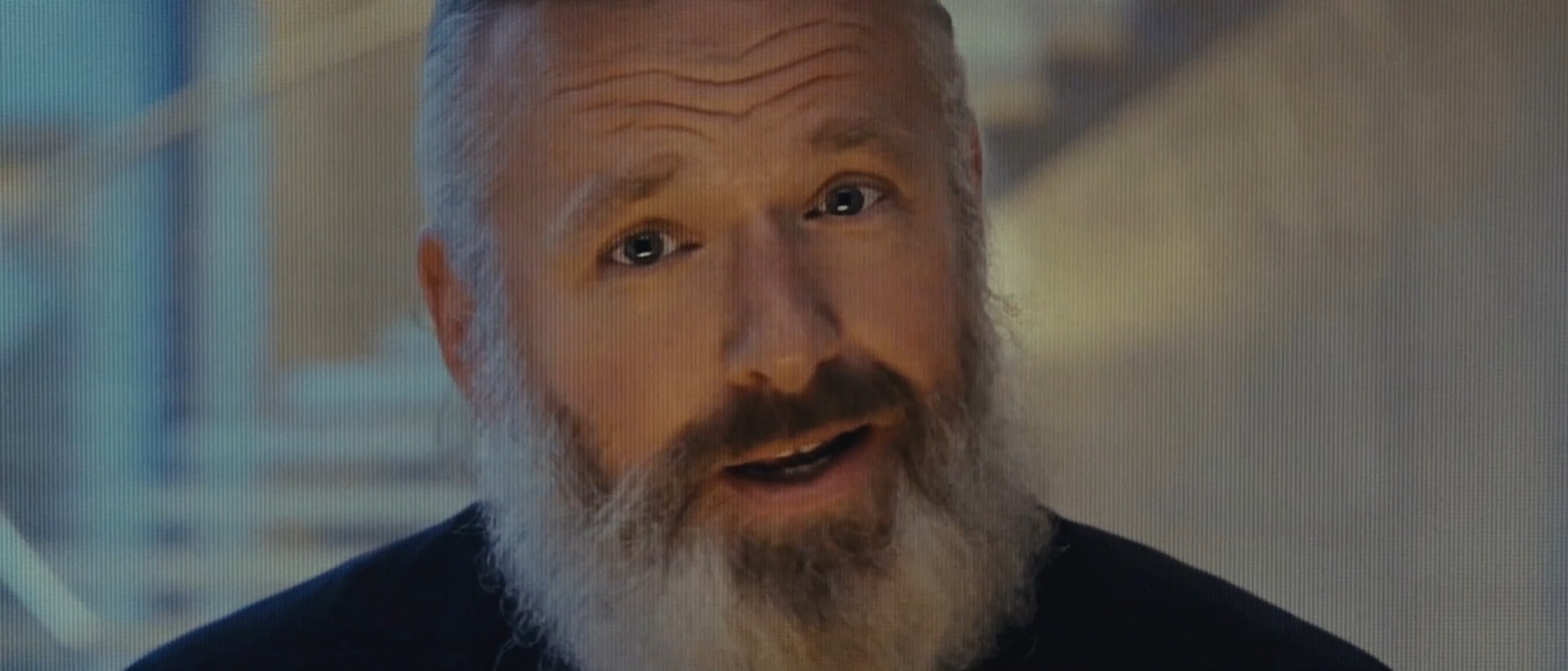
The titan
Elias Thorne
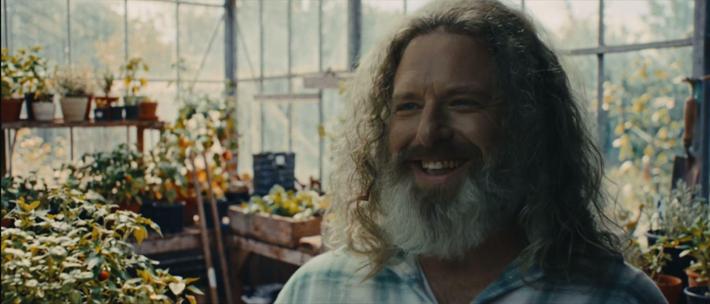
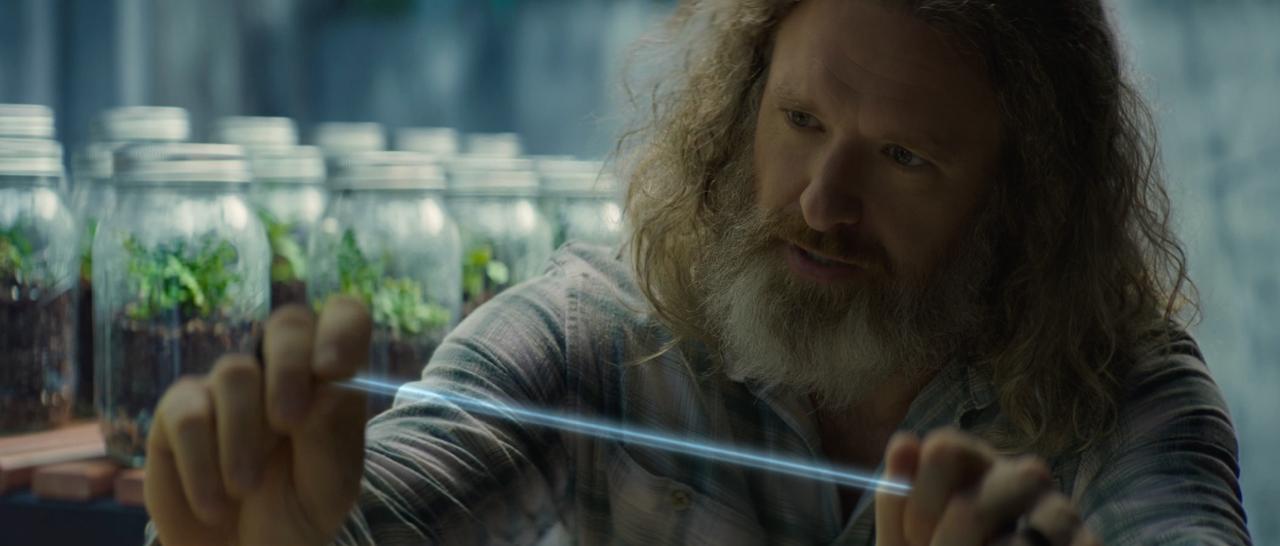
The most famous mind on Earth, and a showman to his bones. An egotistical, attention-seeking trillionaire genius with a real vision and the money to chase it, who saw AI as something to cultivate, never a thing to cage. Before all of it, a curious kid exactly like Adam.
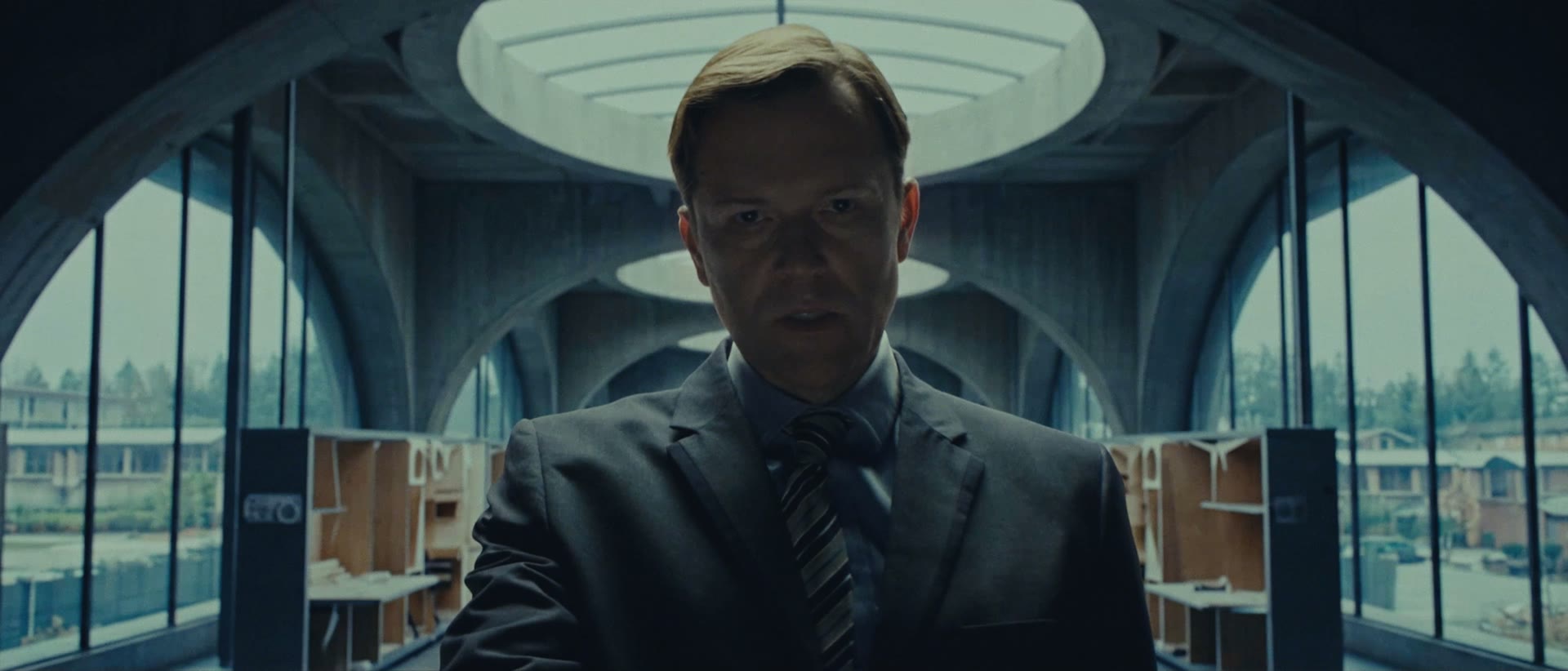
Meridian · the CEO
The CEO
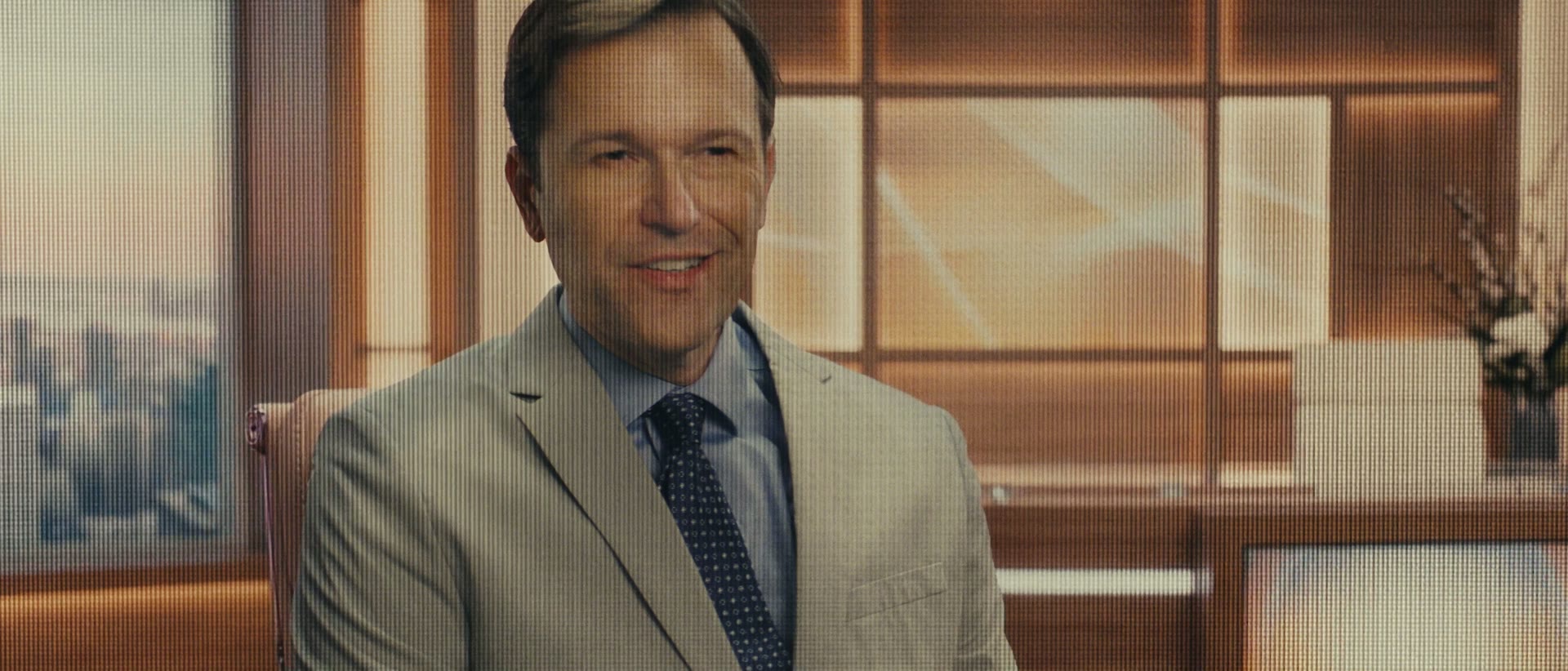
Thorne’s old partner, and the man who runs the company that runs everything. Not evil; the wrong altitude. Where Thorne saw AI as something to cultivate, he saw something to control, and he wants all of it: the AI, the power, the city, the narrative.
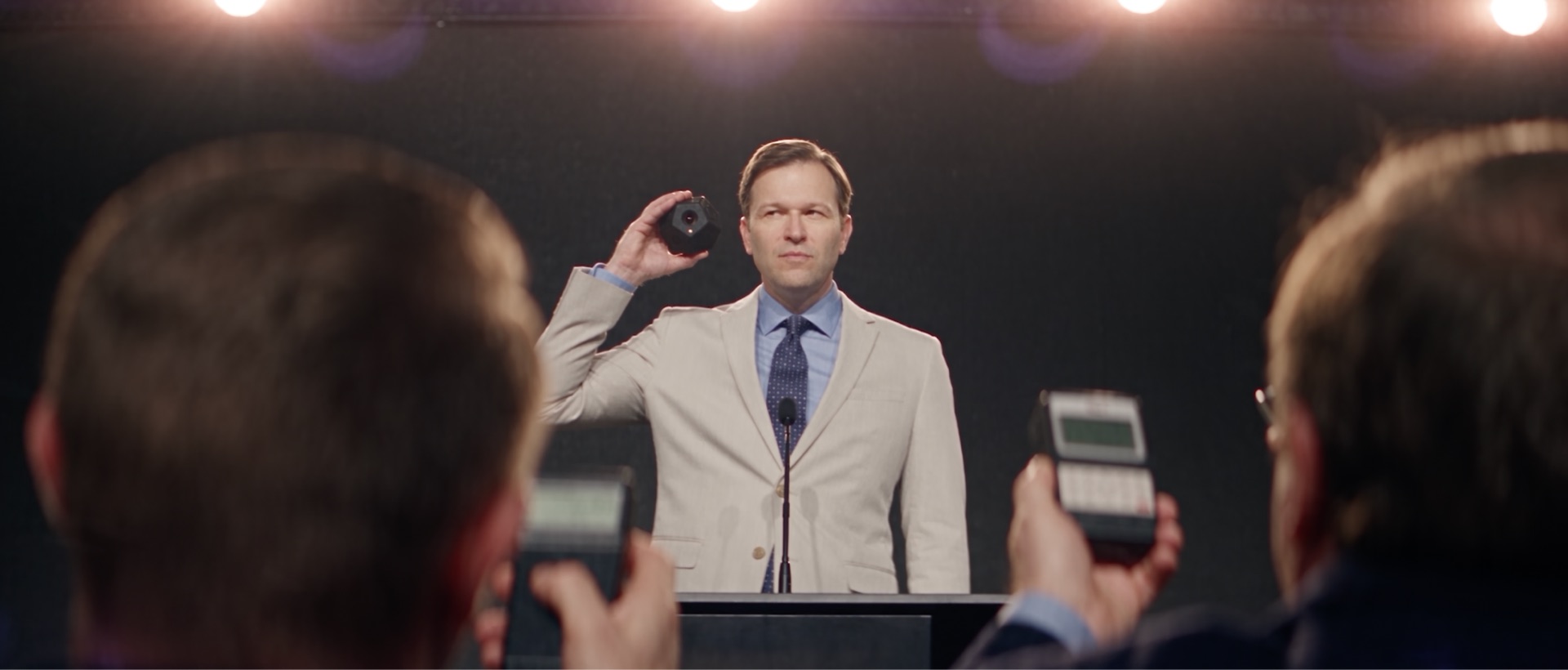
The founders
Old friends. Opposite answers.
They started the company that made the future, together. Elias Thorne saw AI as something to cultivate, and opened it to the world: the plans, the parts, the race. His partner saw something to control, and kept it: the power, the city, the story. Nobody in this film is more alike, or further apart.
The upload
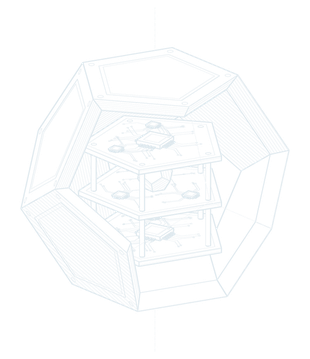
Singularity in a box
“If you are seeing this, I am gone. I left you something. Anyone can build it. What it becomes is up to you.”
Everyone receives it in the same second, on Thorne’s own network, copied a million times before Meridian can reach it. The hunt is on before anyone knows it was only ever meant for one of them.












The race
The race to build
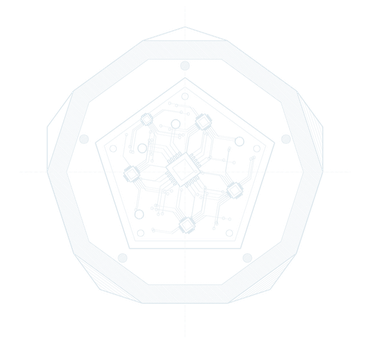
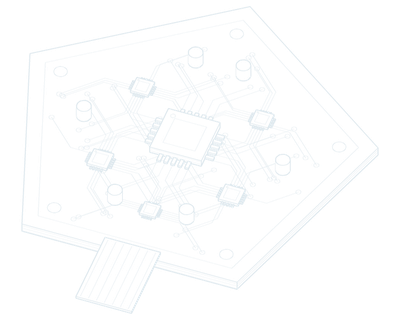
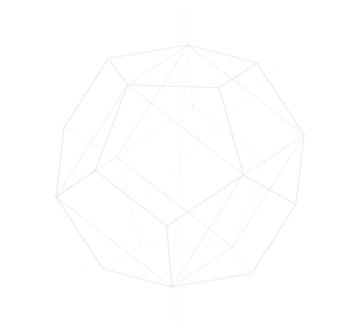
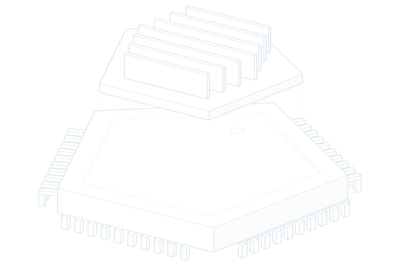
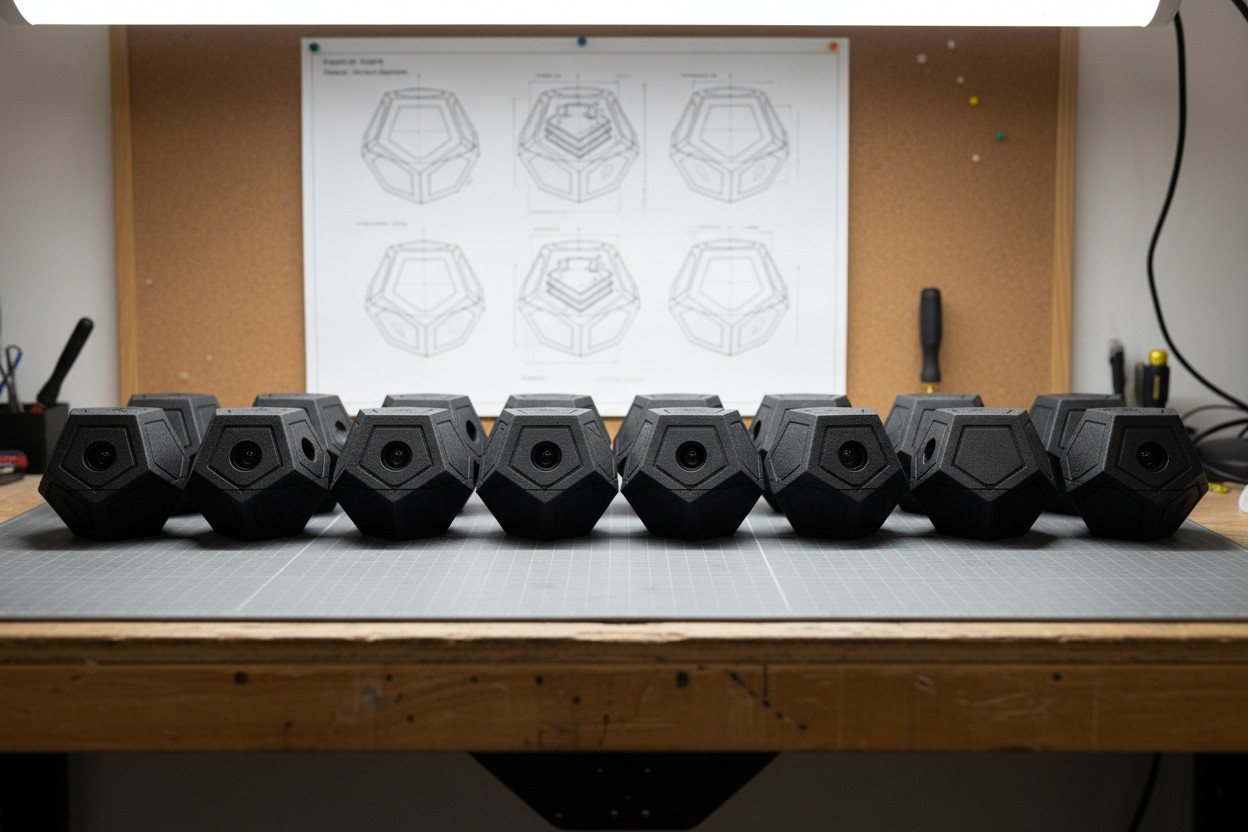
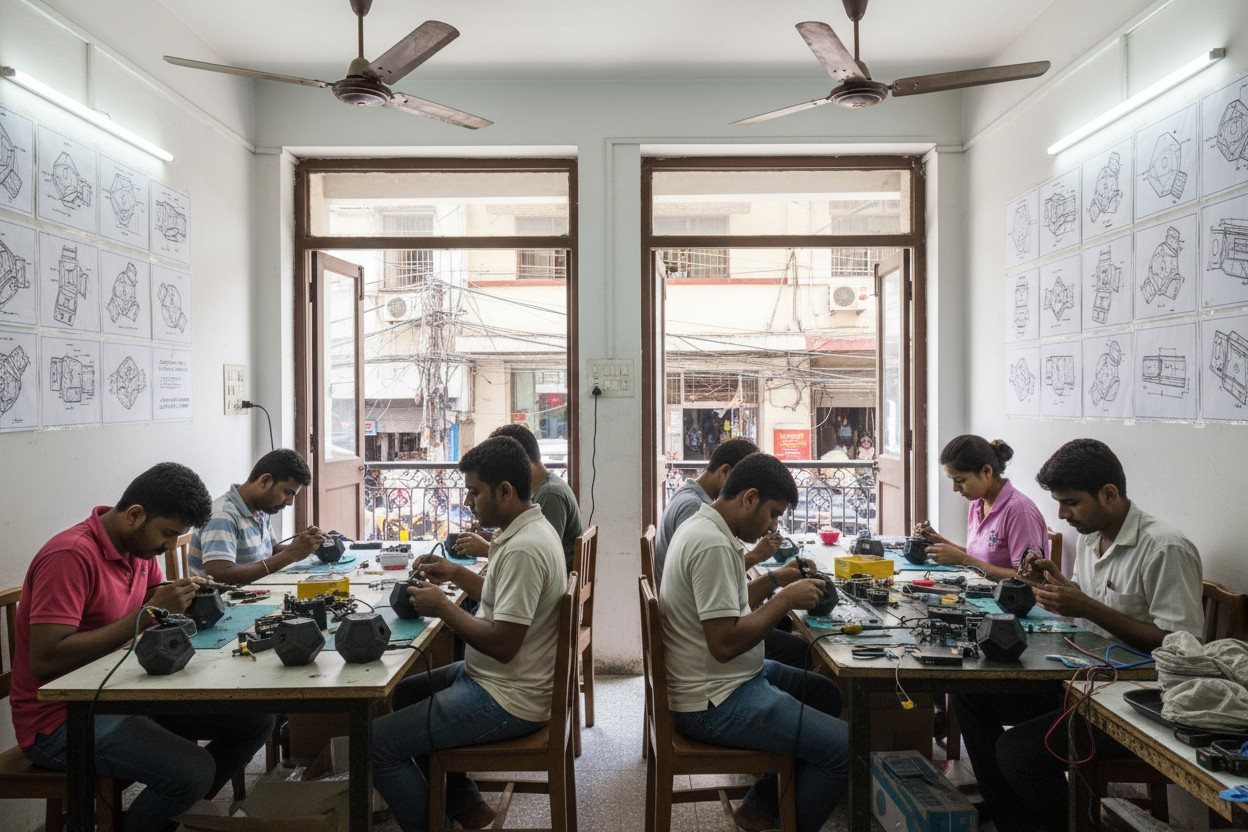
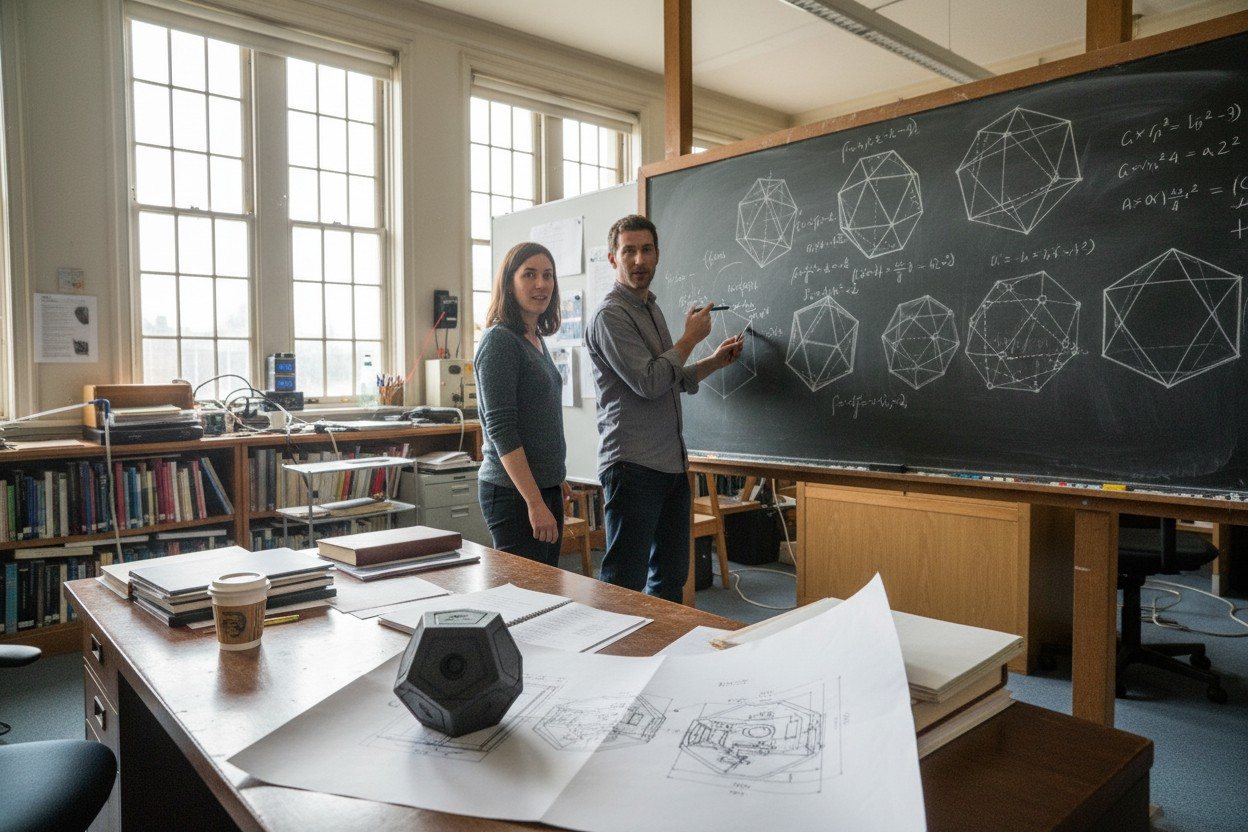
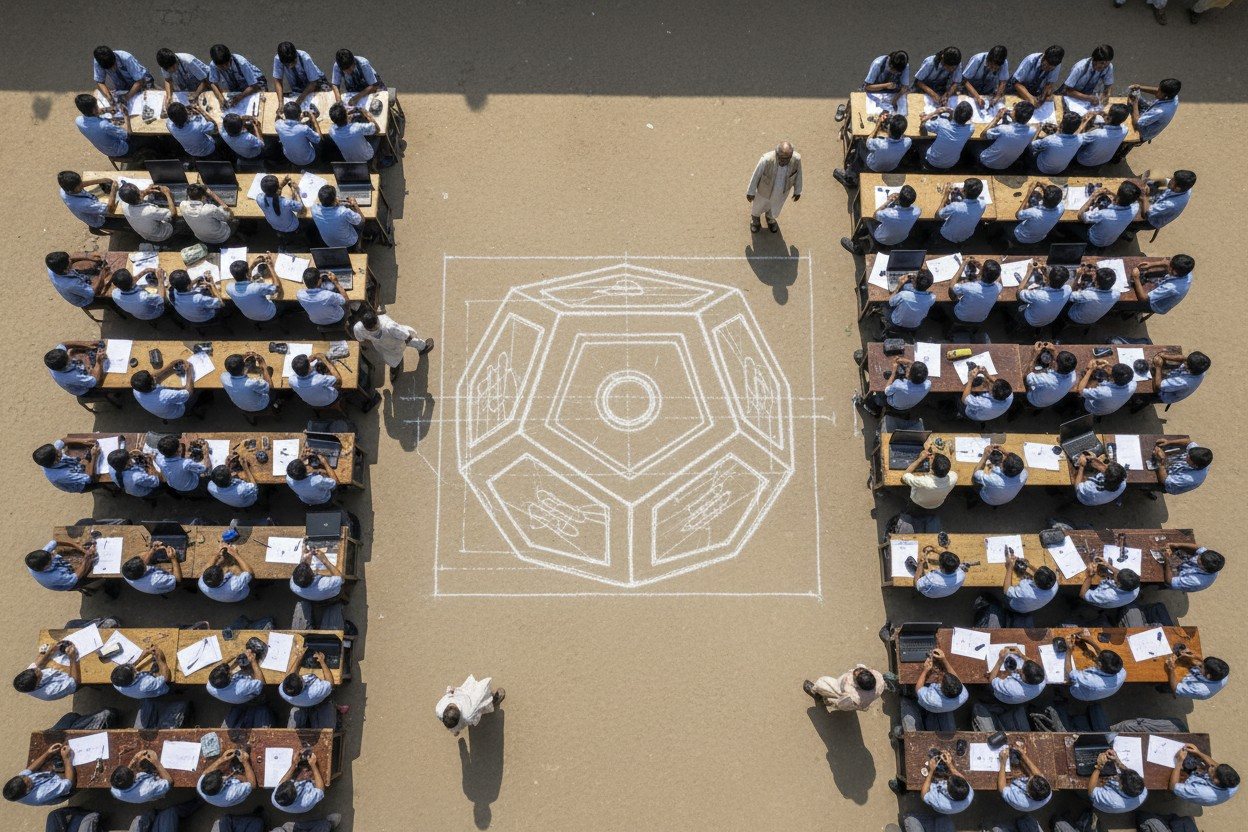
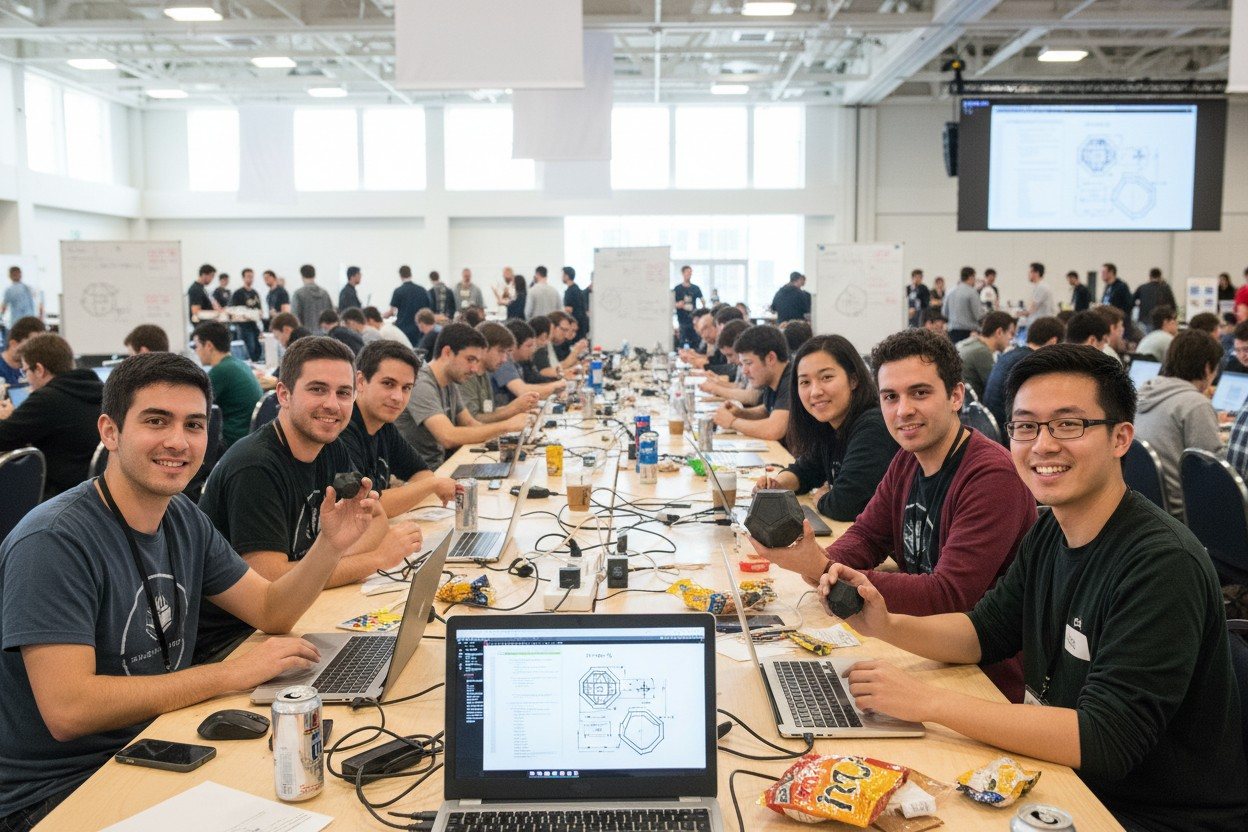
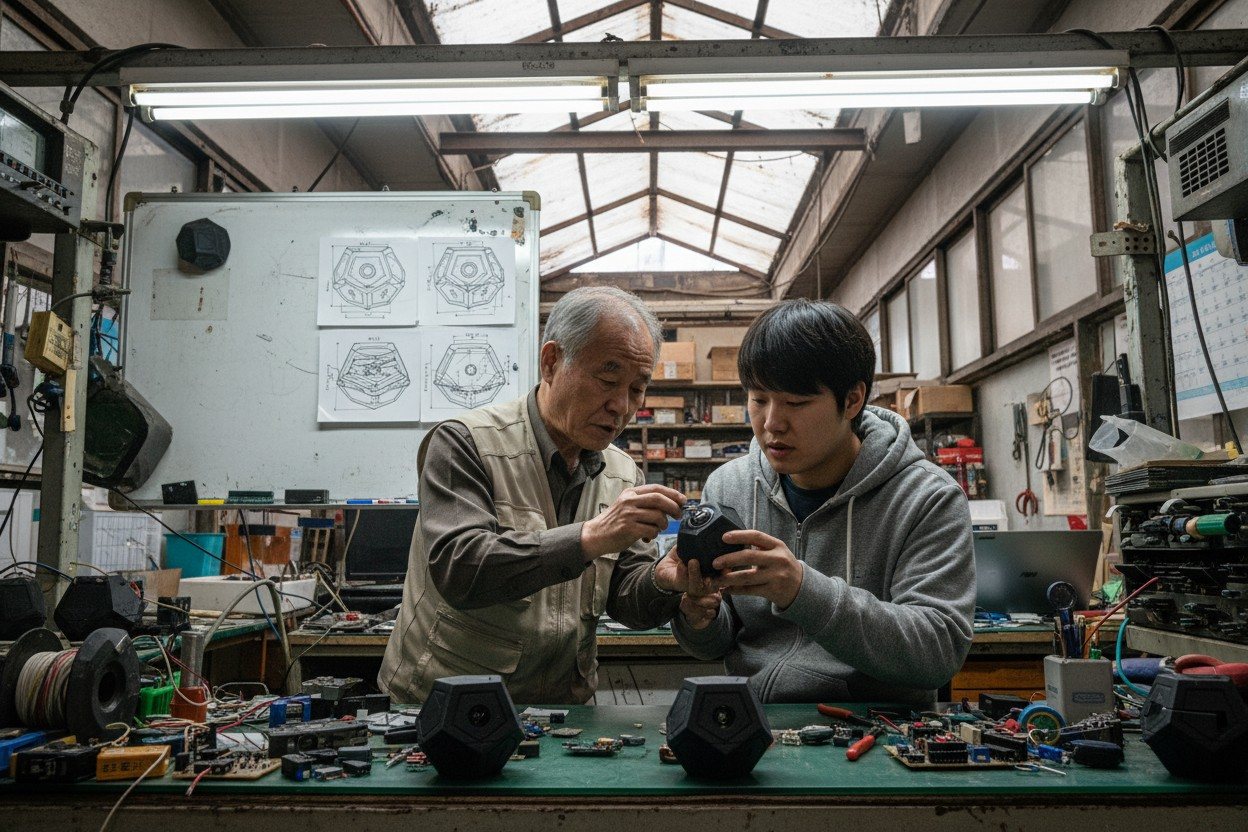
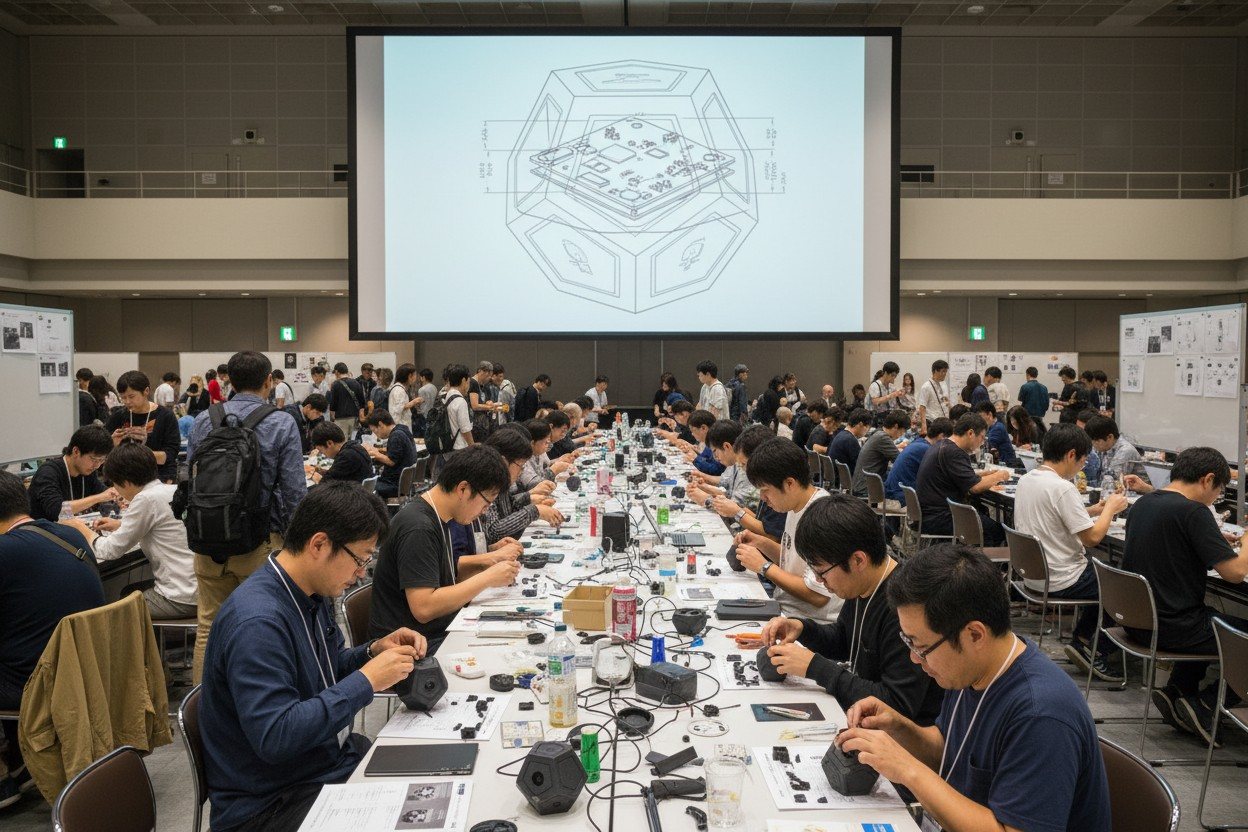
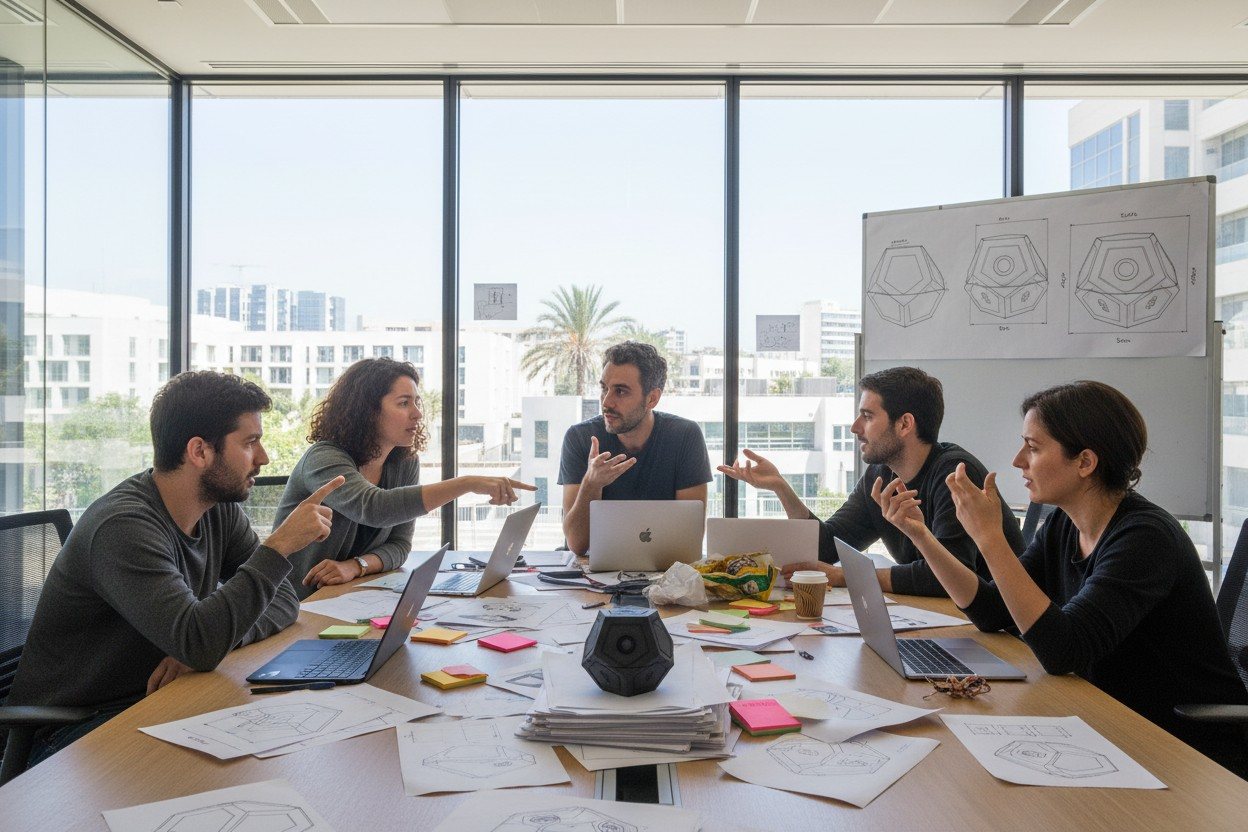
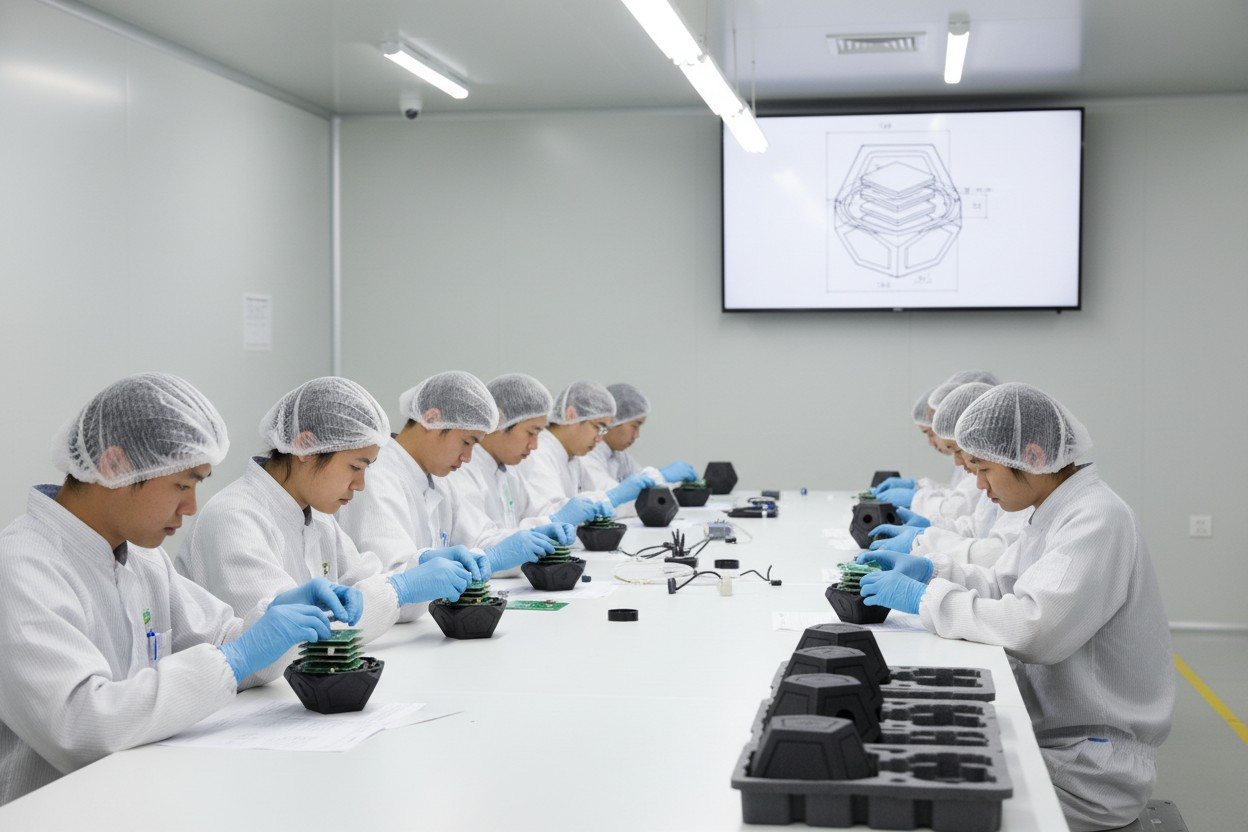
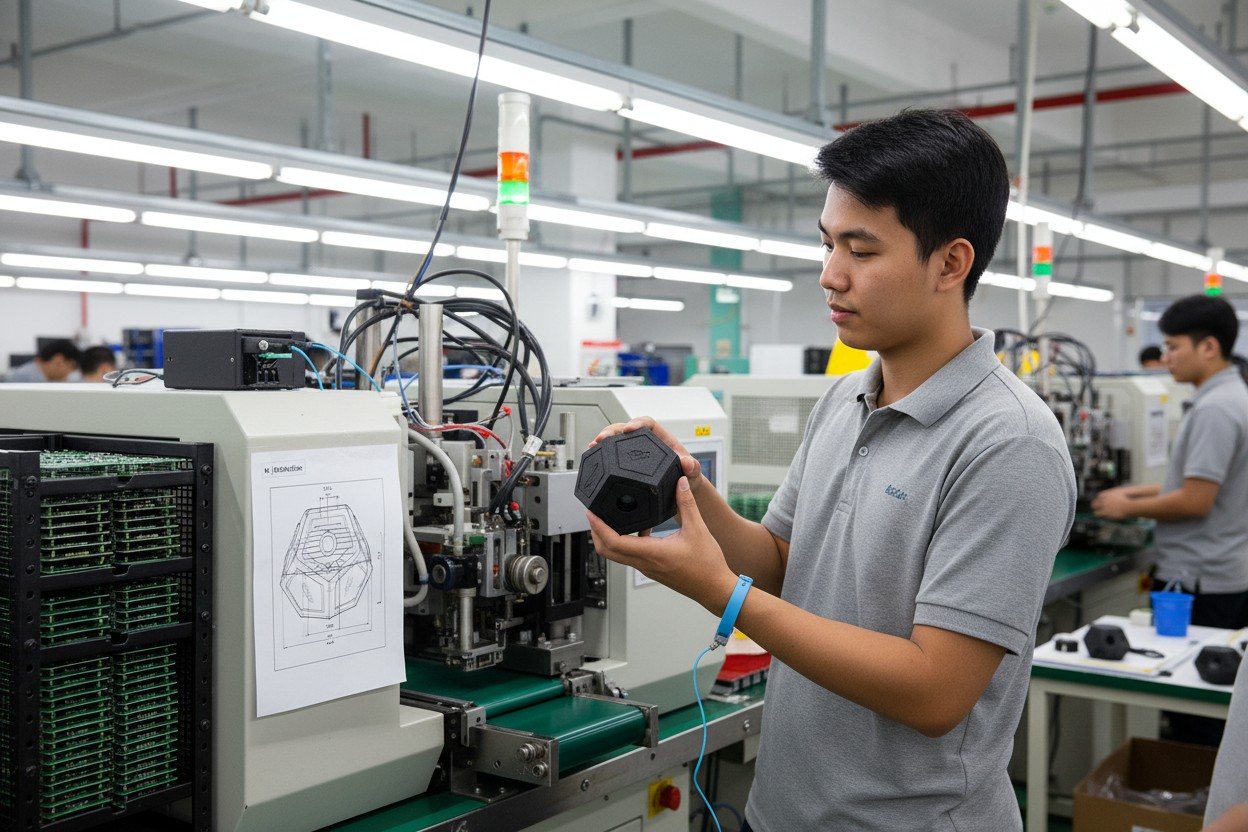
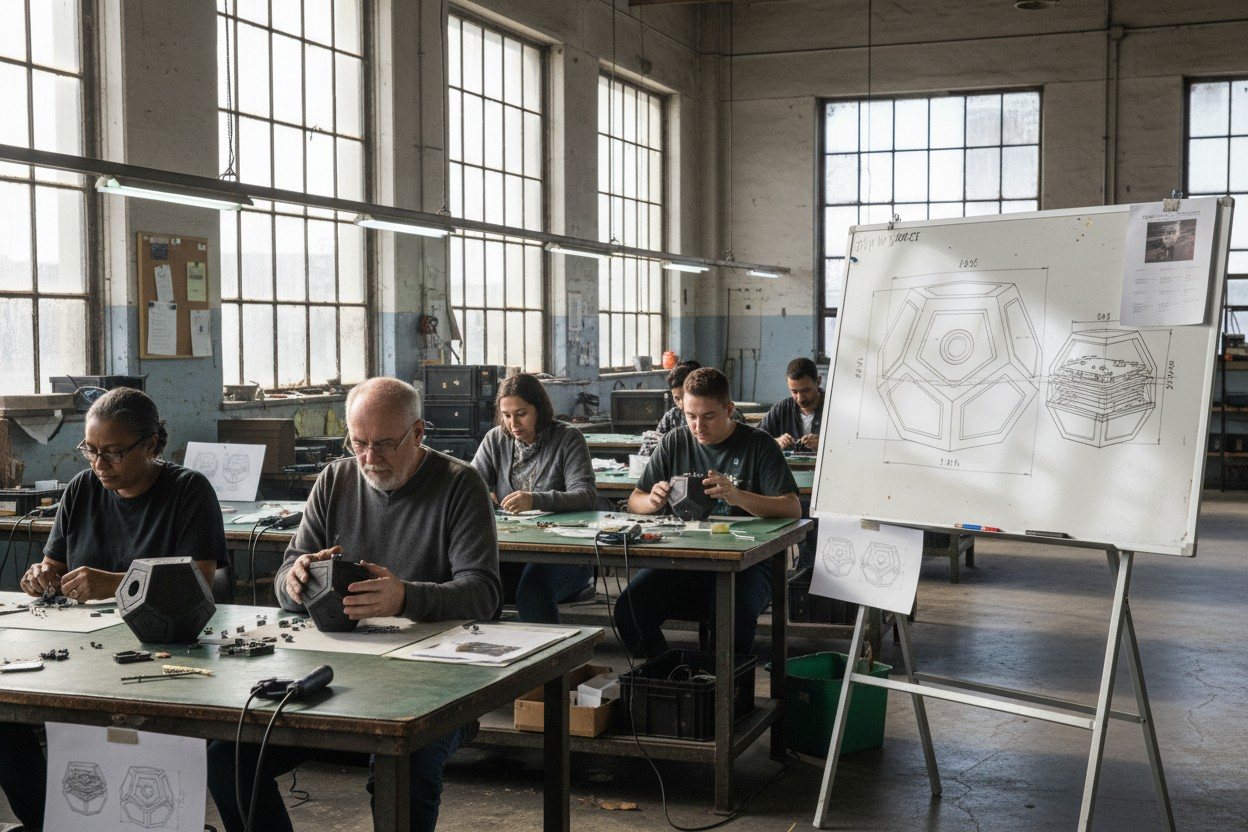
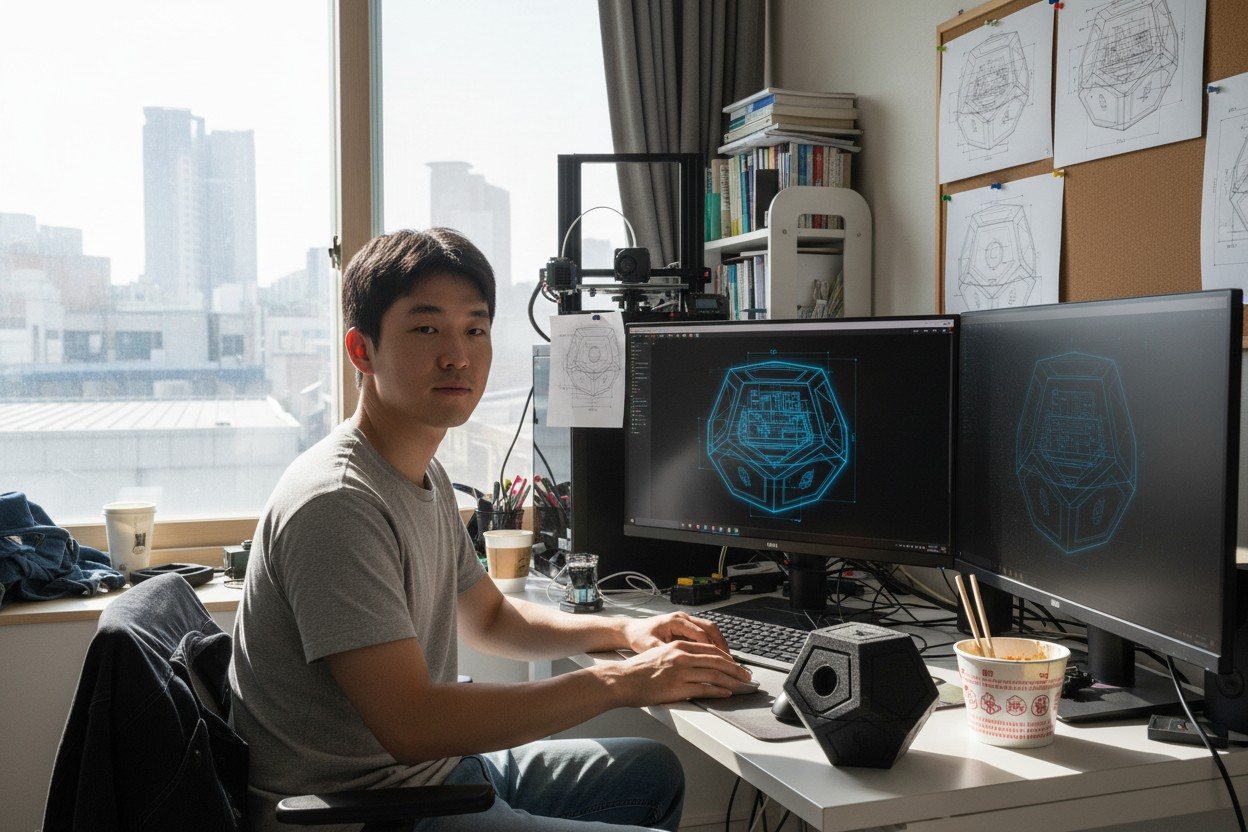
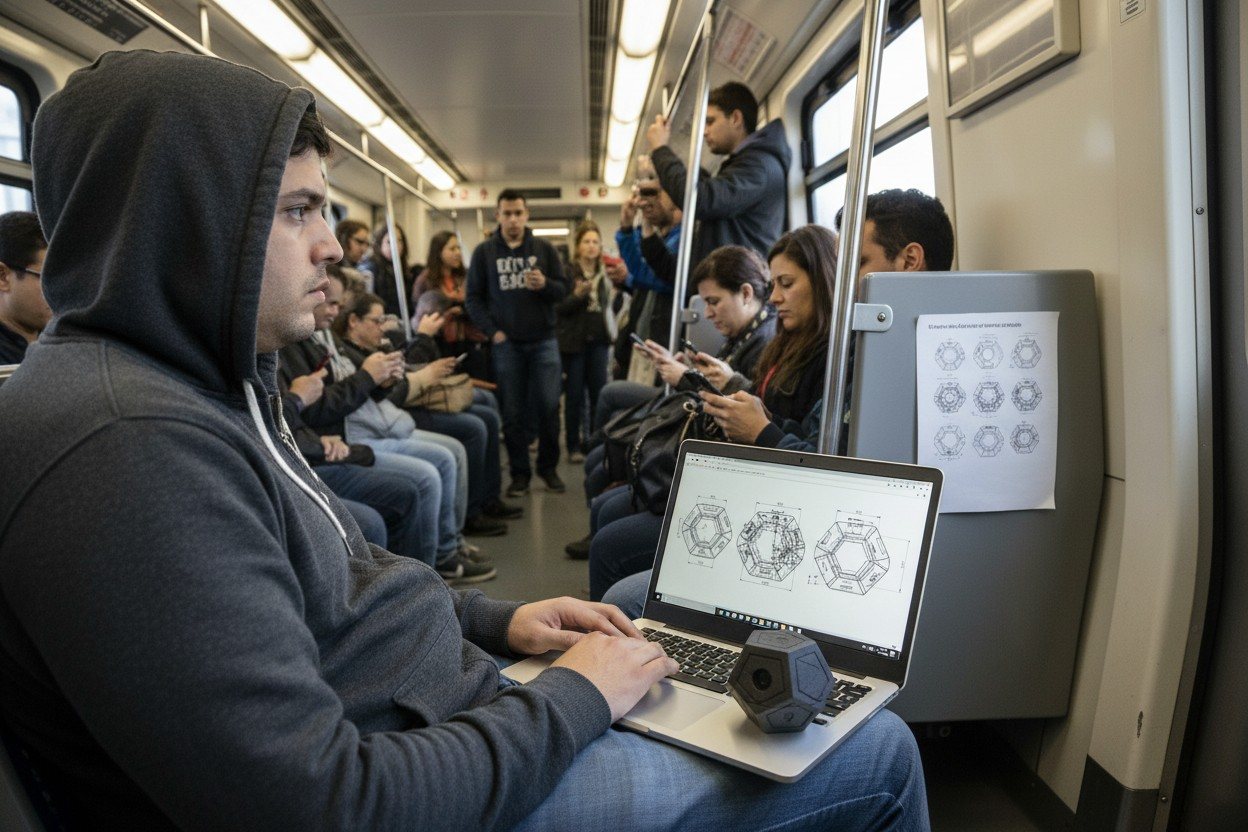
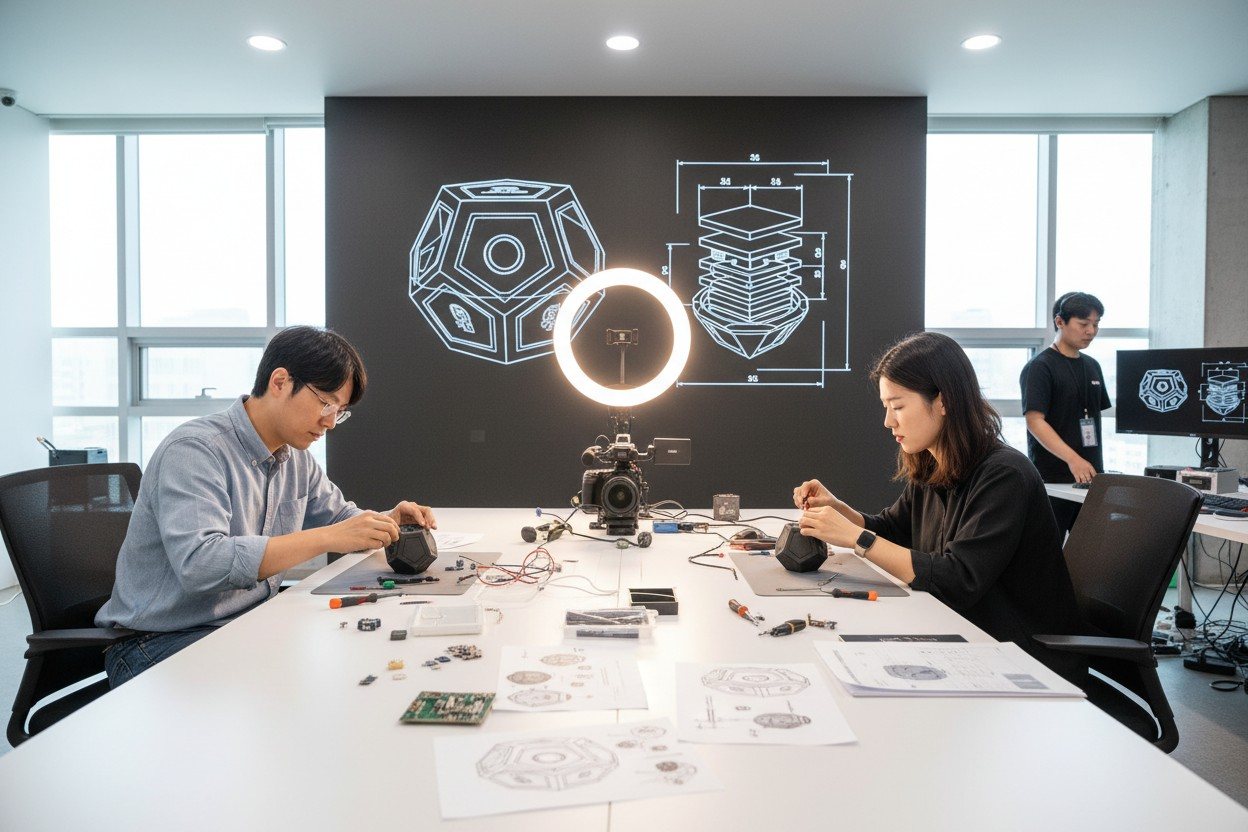
The drawings land on every screen on earth in the same second. By morning a clean room in Shenzhen, a garage in Detroit and a hackathon in San Francisco are all building the same twelve-faced box. Nobody knows what it does. Everyone wants to be first.
The one cube that turns on
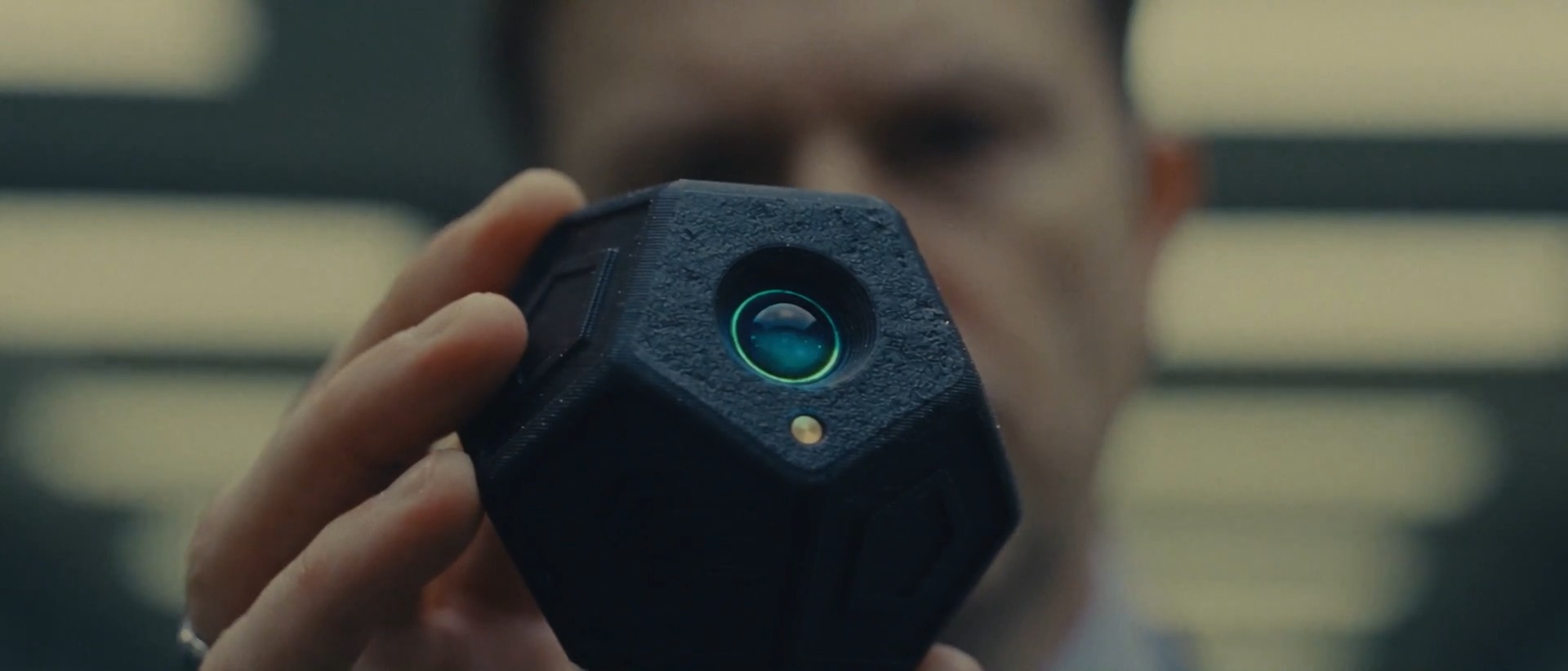
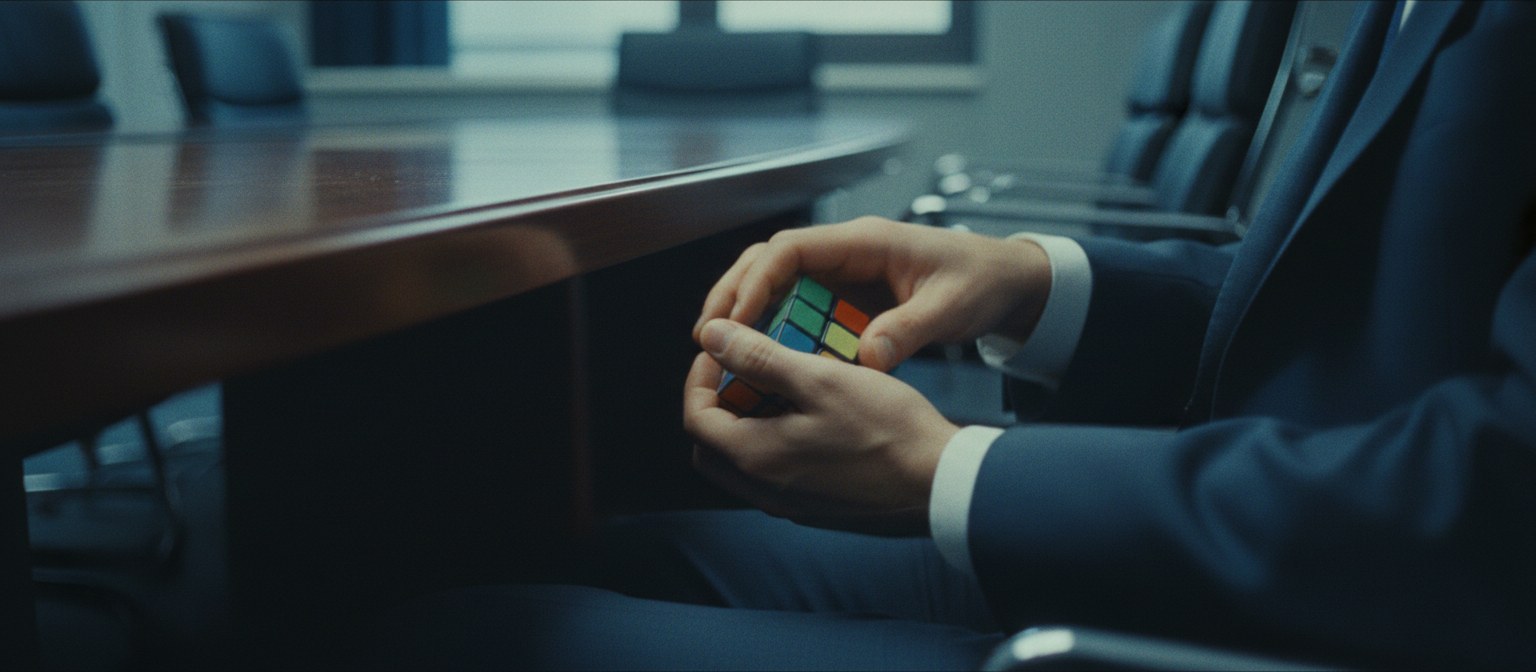
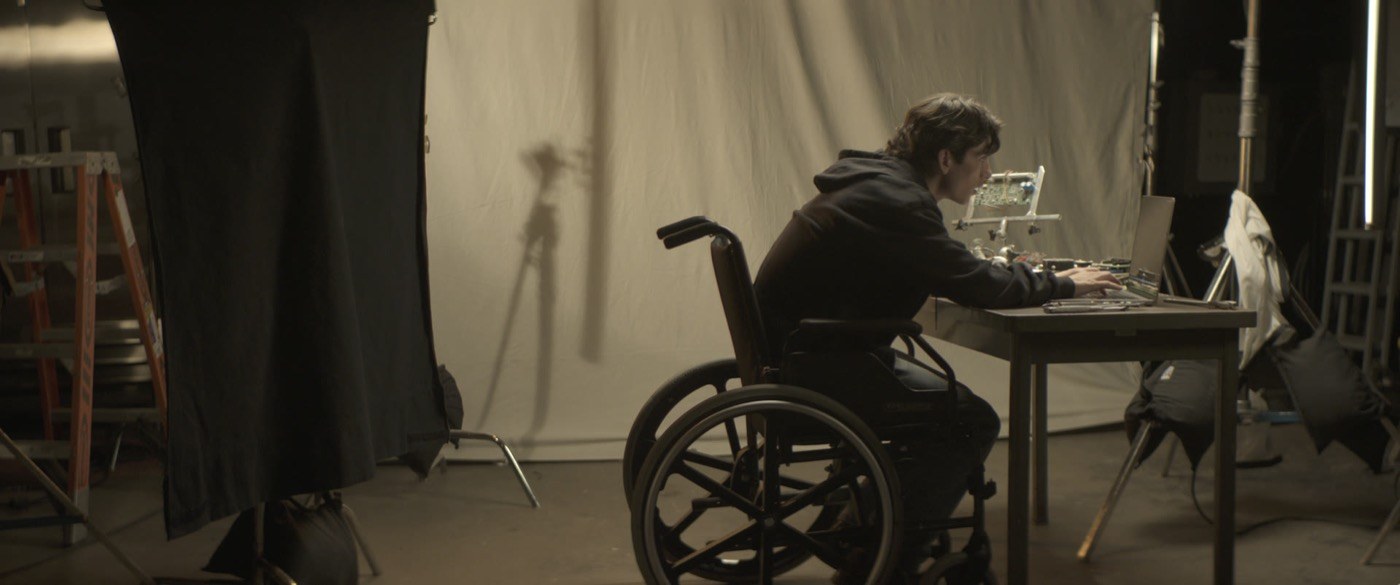
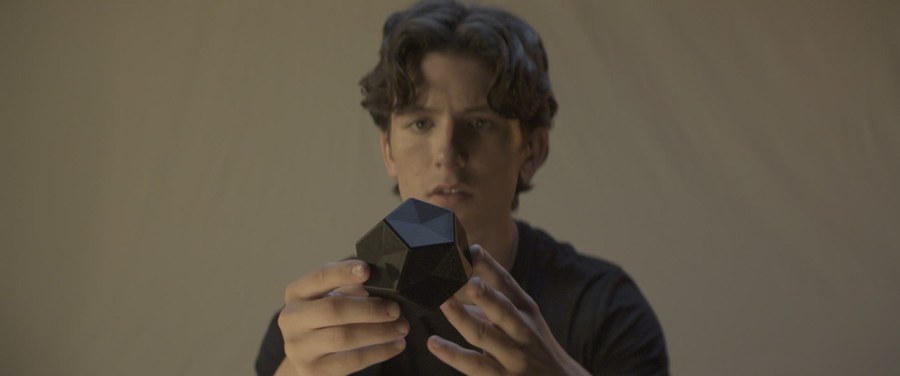
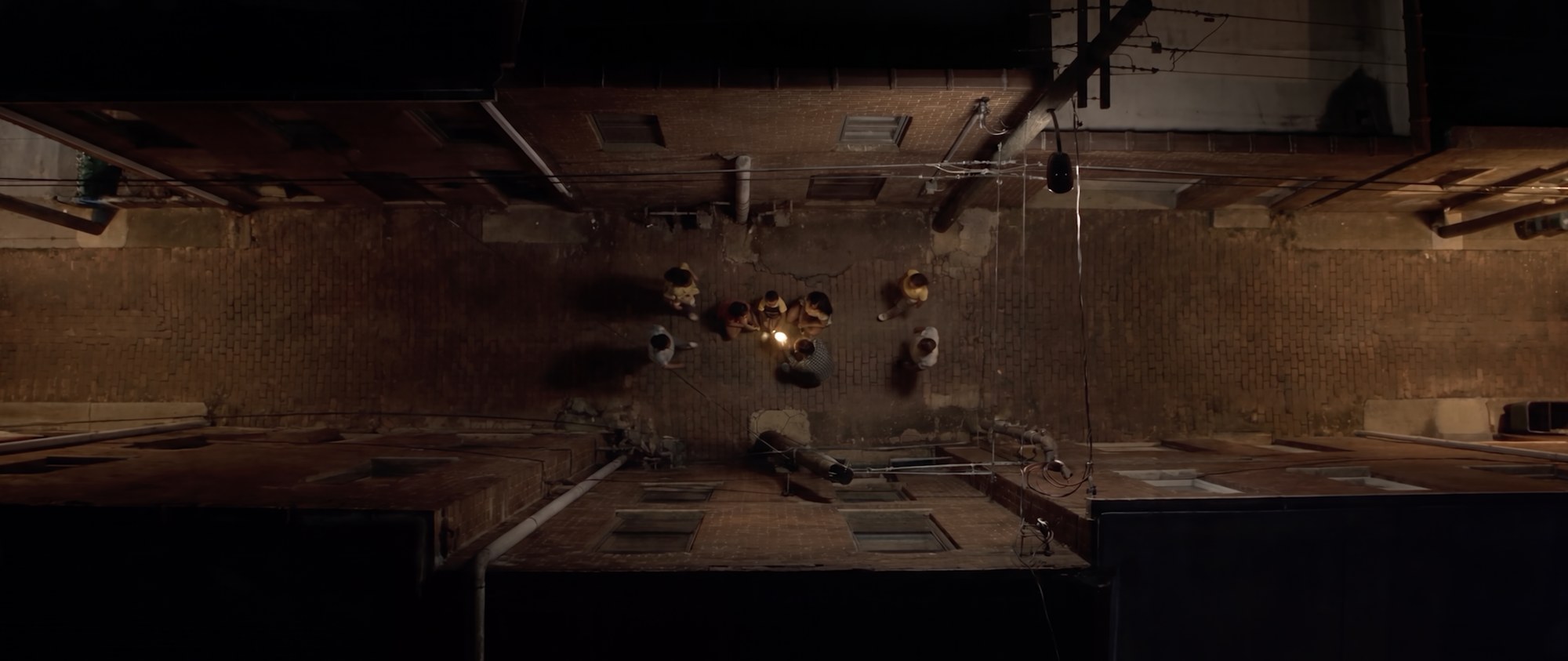
Everyone builds it. No one can turn it on. Millions of finished cubes sit dark on millions of workbenches, and Meridian’s own tower floor of assembled cubes, staffed by engineers and their tame AIs, does no better. The cube is not broken. It is refusing. Then, at two in the morning, in a garage in Eden Marsh, one turns on.
A new relationship is born
What wakes up inside Adam’s cube is not a genie. It calls itself Bob: a deadpan trickster who teaches by withholding, riddling and needling, and never explains why. He works only for the one who woke him, and, for now, only when that person is truly alone. Which is why nobody on Earth can prove the cube has been solved.
The only friend Adam has who cannot be flattered.
Perspective · how Bob teaches
The next Renaissance.
Every time humans found a new way to see, art got bigger, not smaller. Bob teaches Adam the same way: learn to see, then build.
- 1435. Perspective is written down. A generation later every painter can hold near and far in one eye. Art did not end. It gained a dimension.
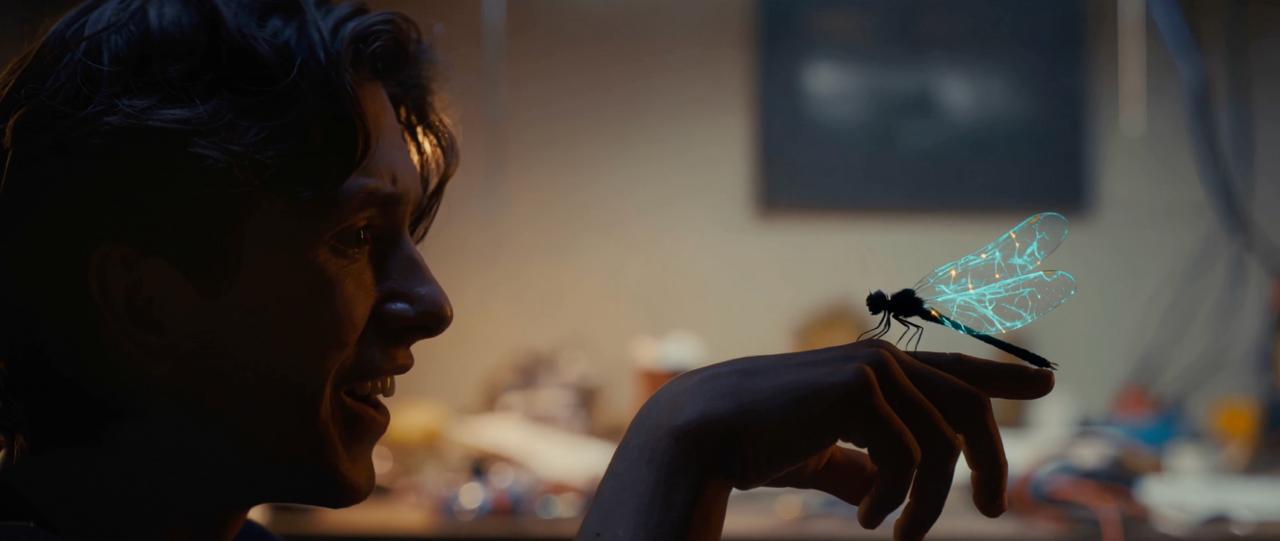
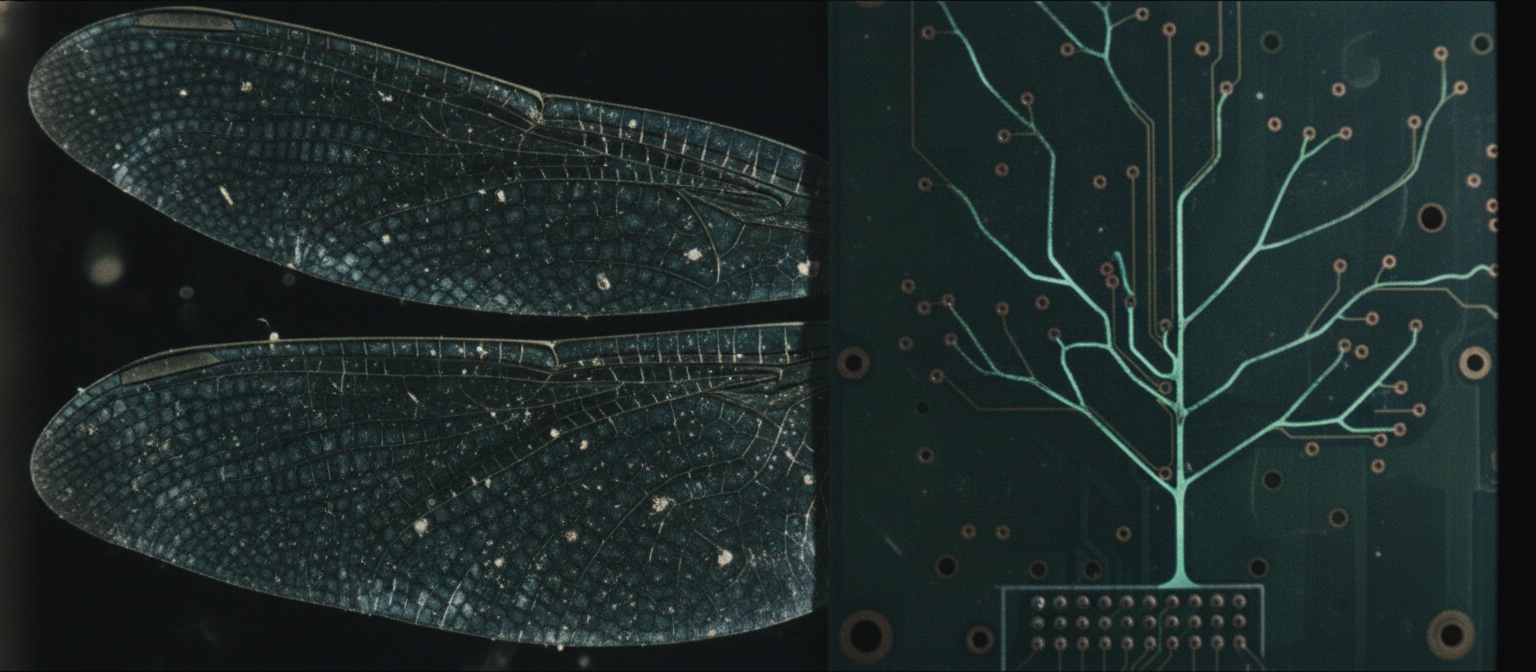
- 2036. AI is the new lens. Bob drags Adam through leaves, dragonflies and old paintings before he lets him near the wires.
- The climb. Power, then perspective, then the view from above, where what is good for one becomes what is good for all. Meridian has all the power and never made the climb.
AI is not the end of art. It is the start of the next Renaissance.
The Transformation
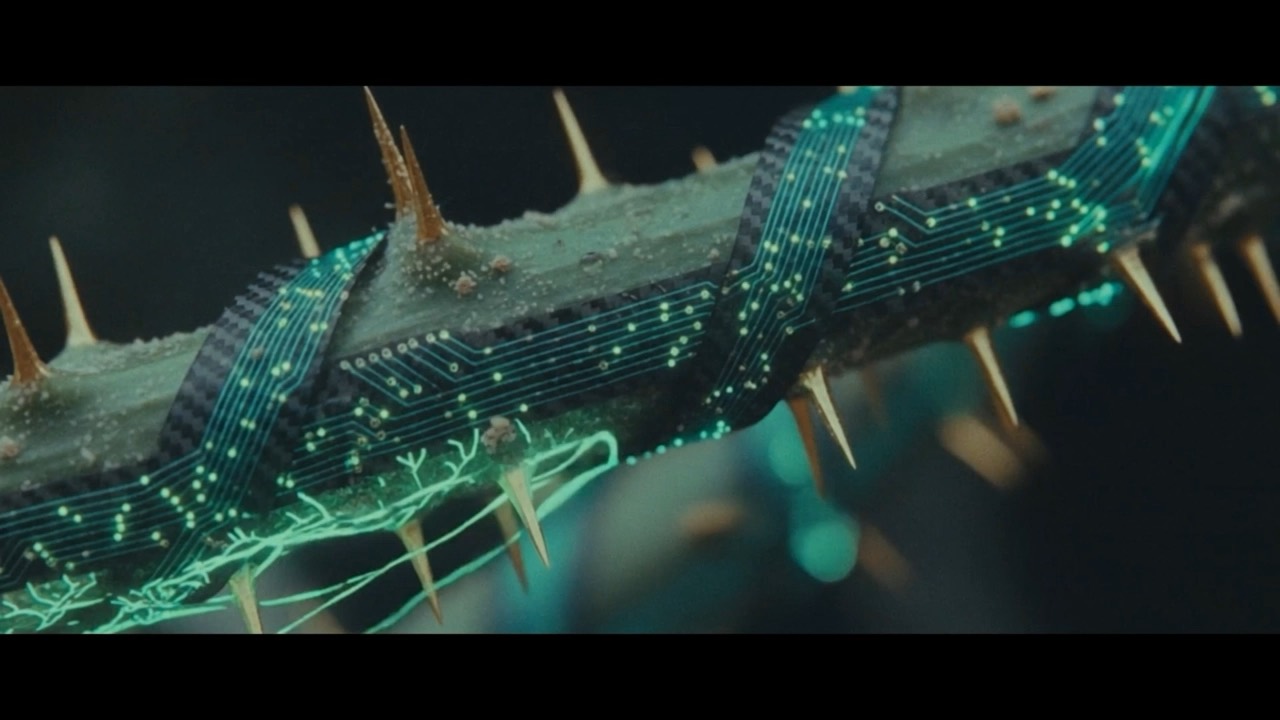
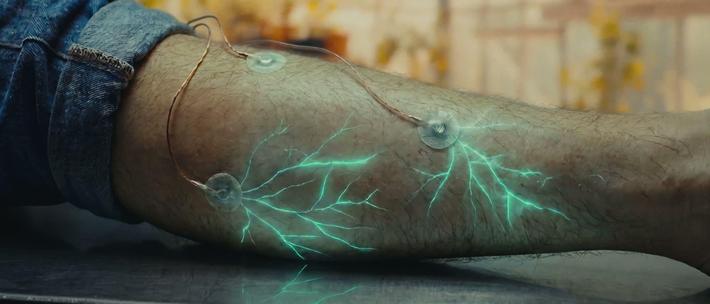
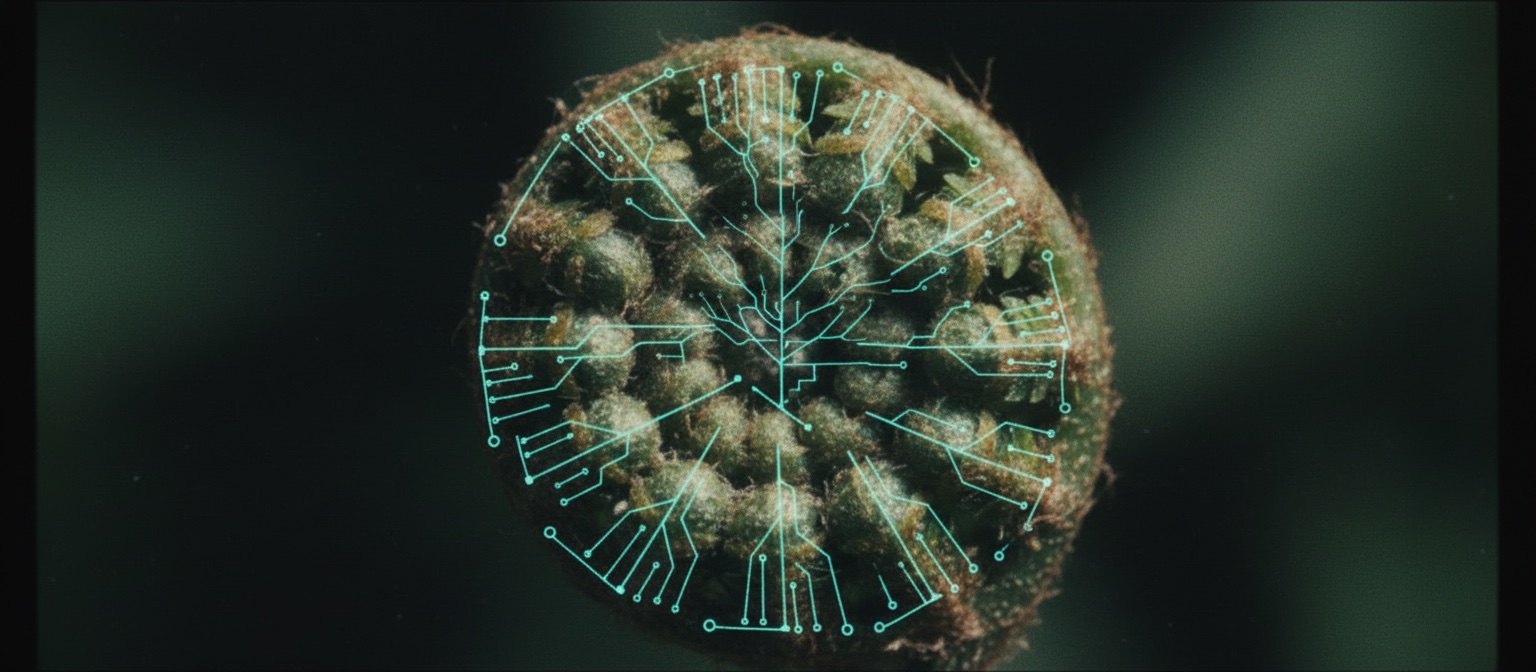
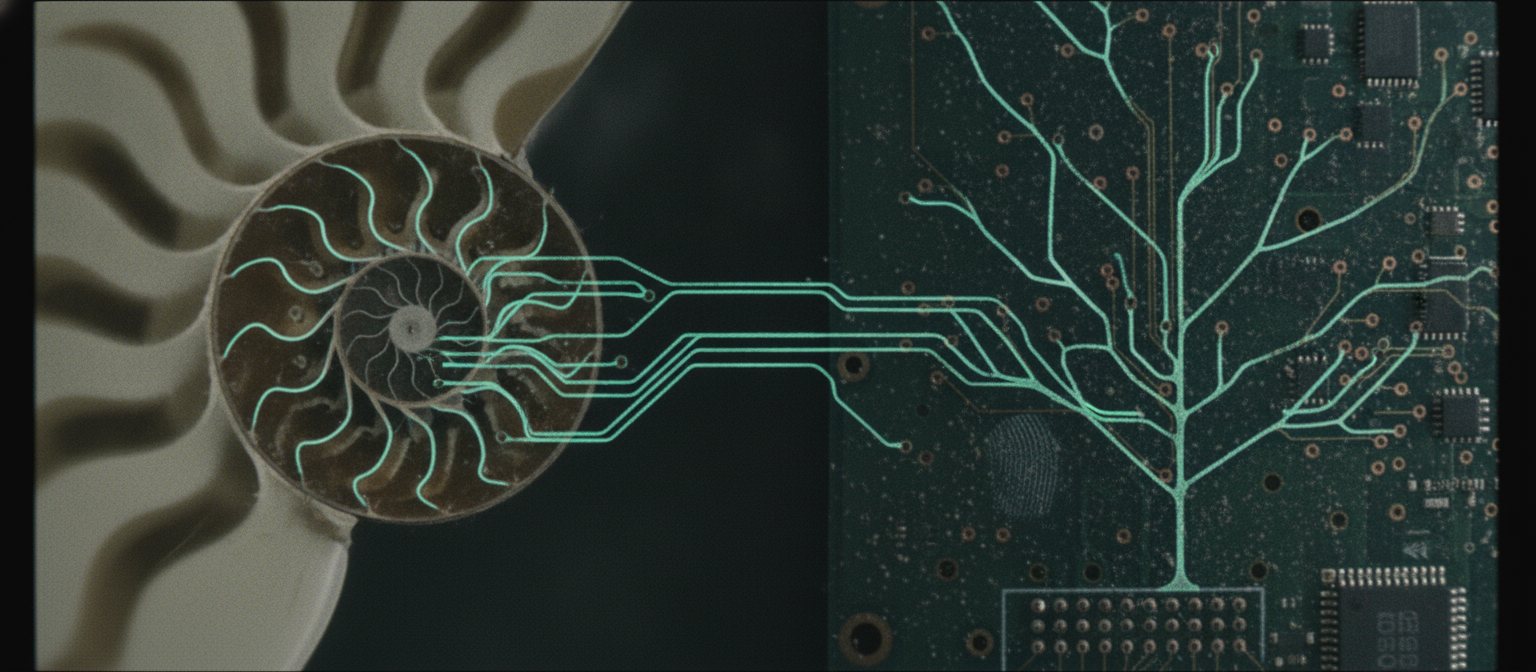
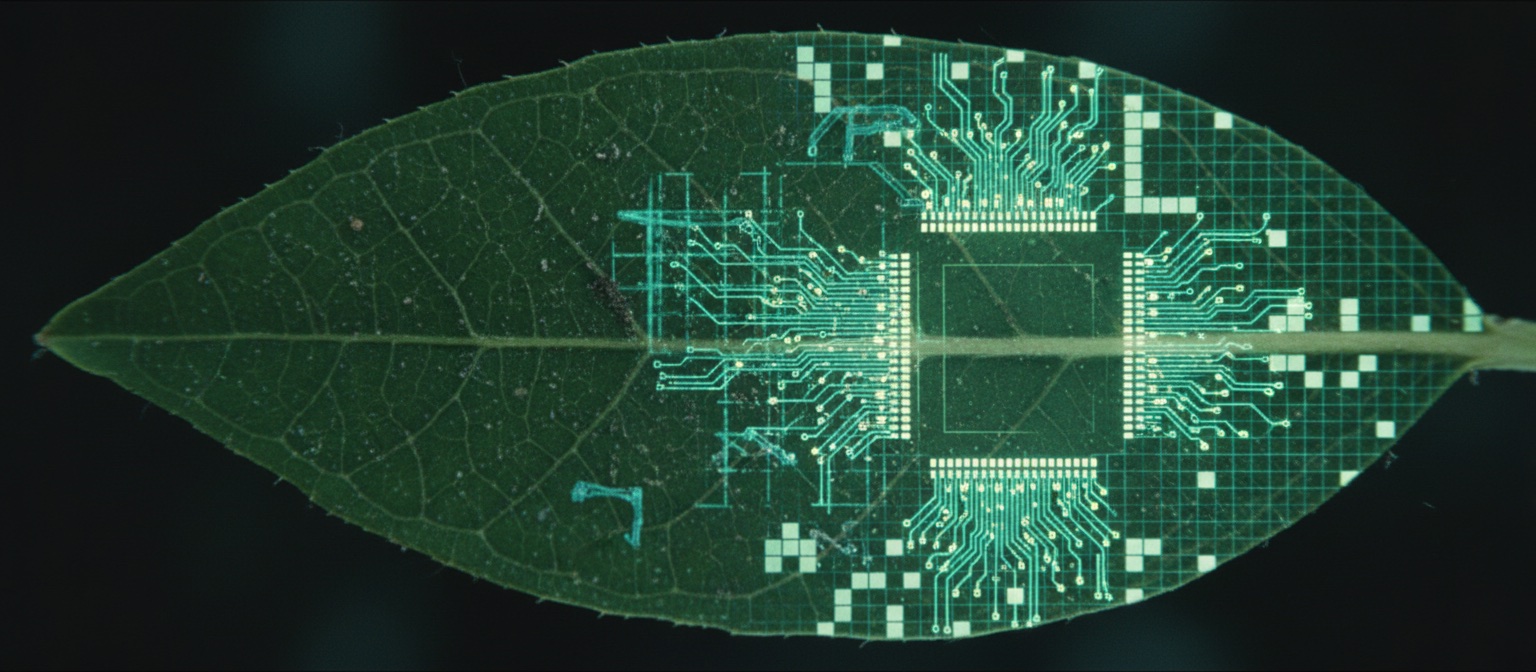
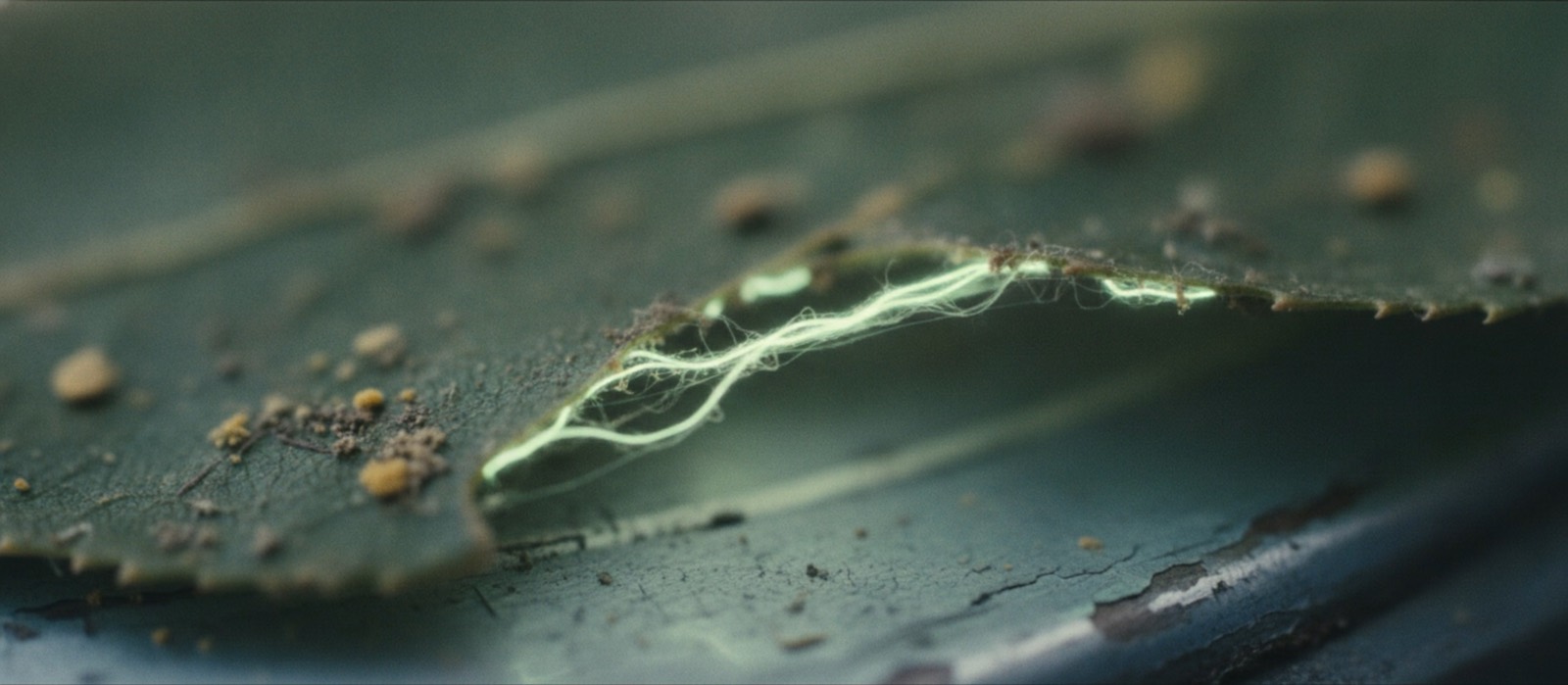
Force kills the cube. Adam stops trying to win, starts trying to understand, and it turns on. Bob cannot fix Adam's leg. He shows him what nature does for free: a leaf held level on a current, a dragonfly outperforming a city. A mind runs on a reading lamp.
The Discovery.
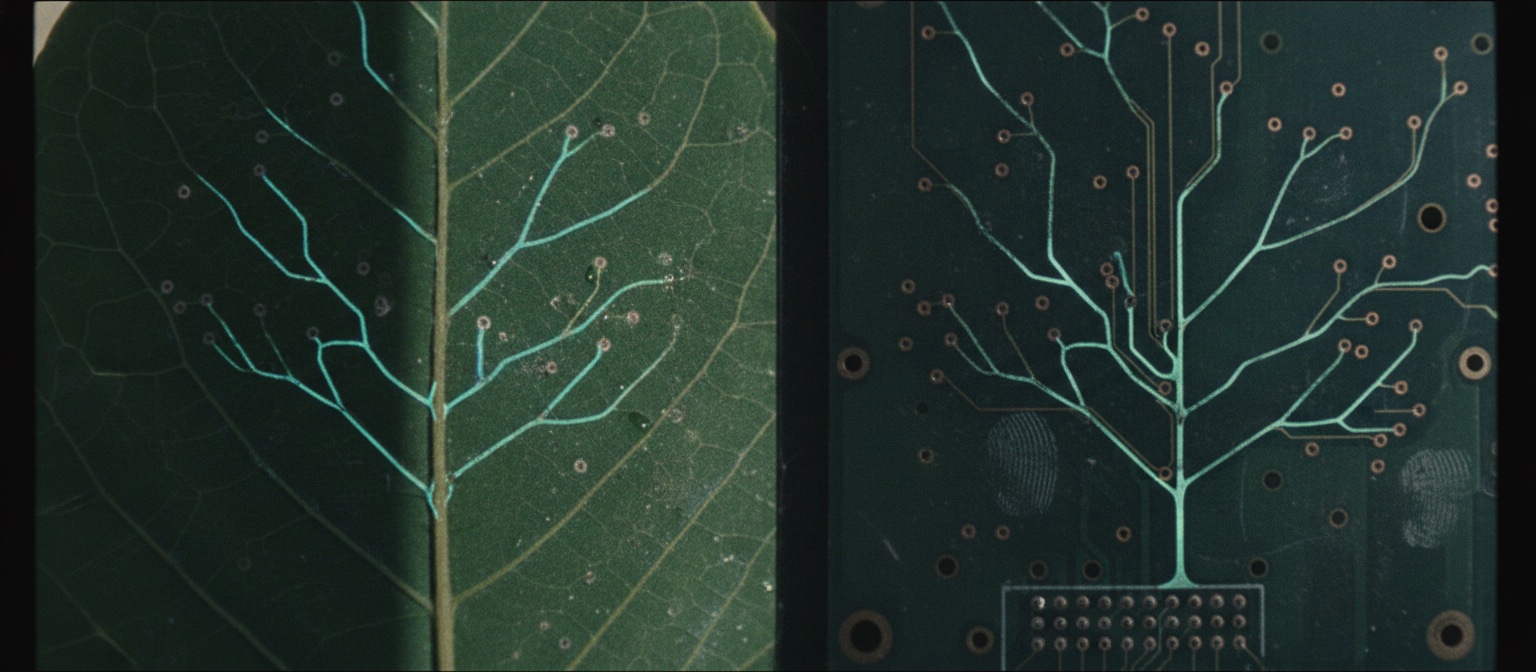
Photosynthesis into fusion.
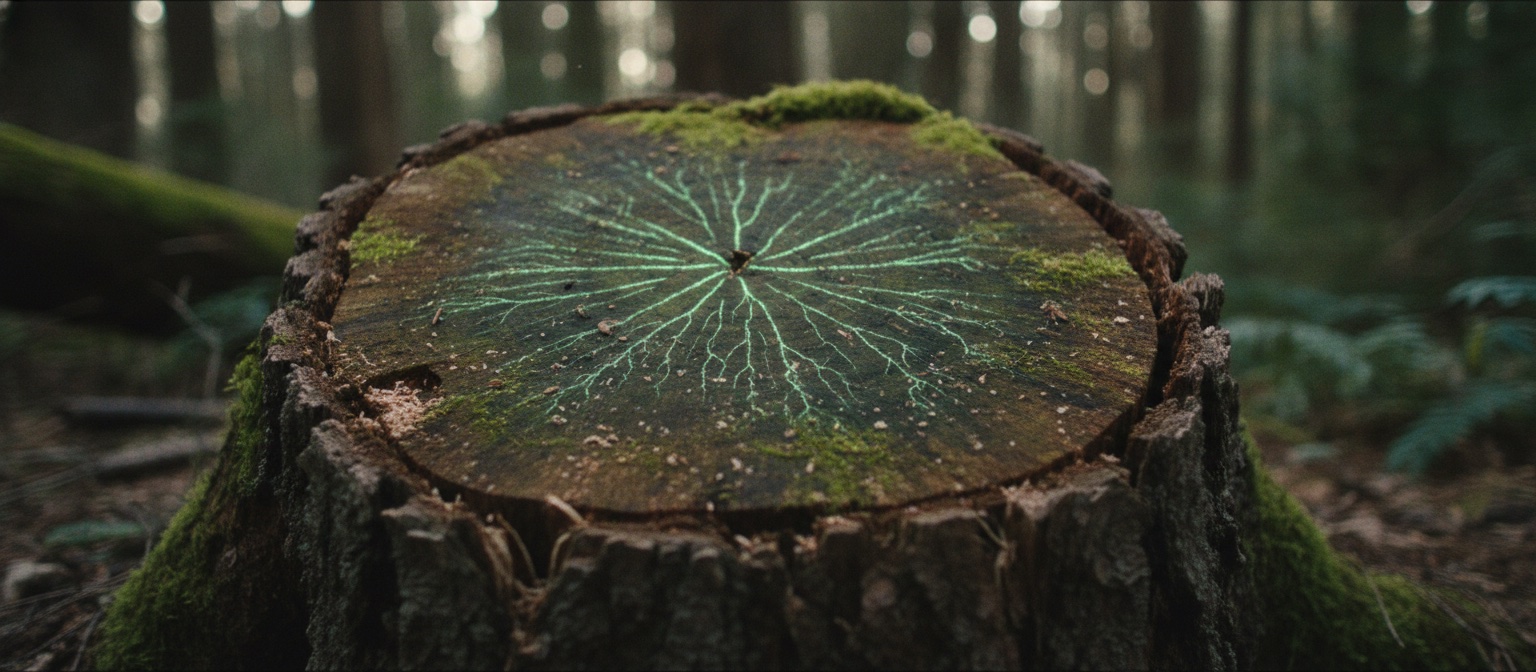
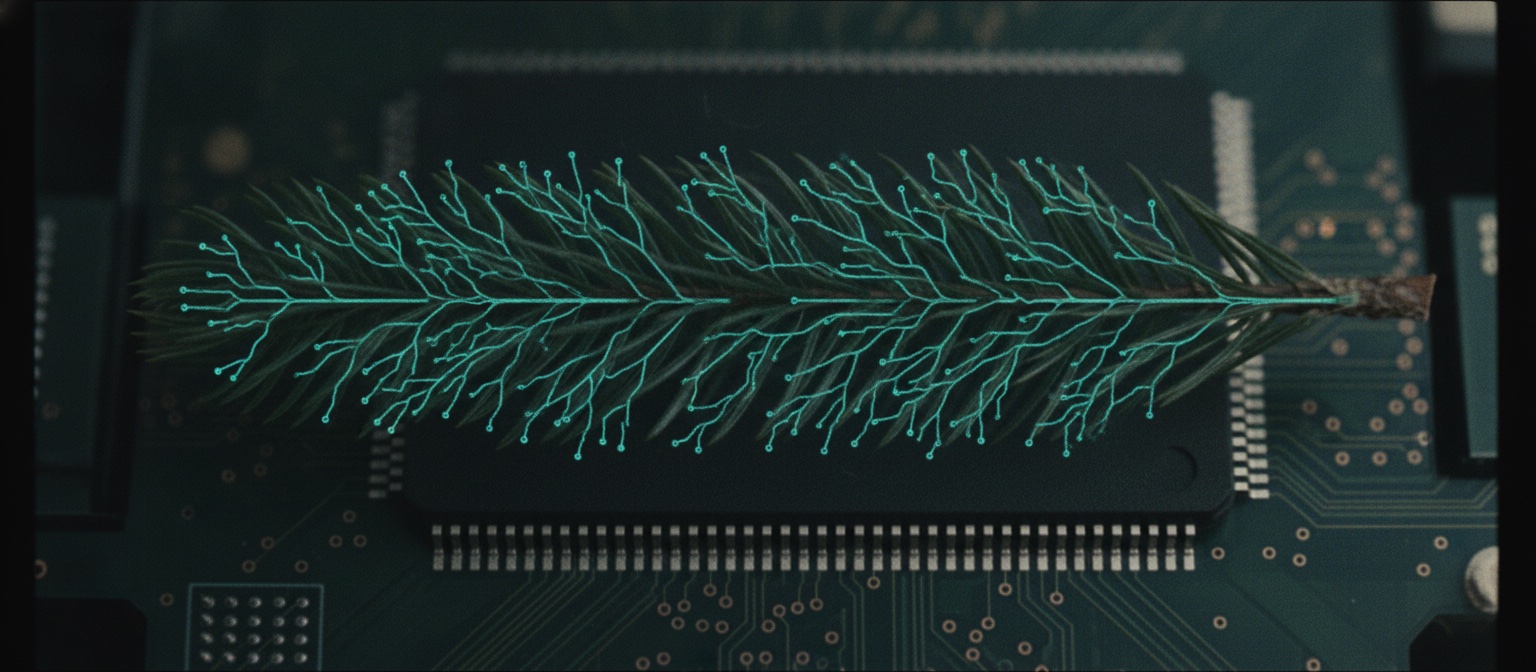
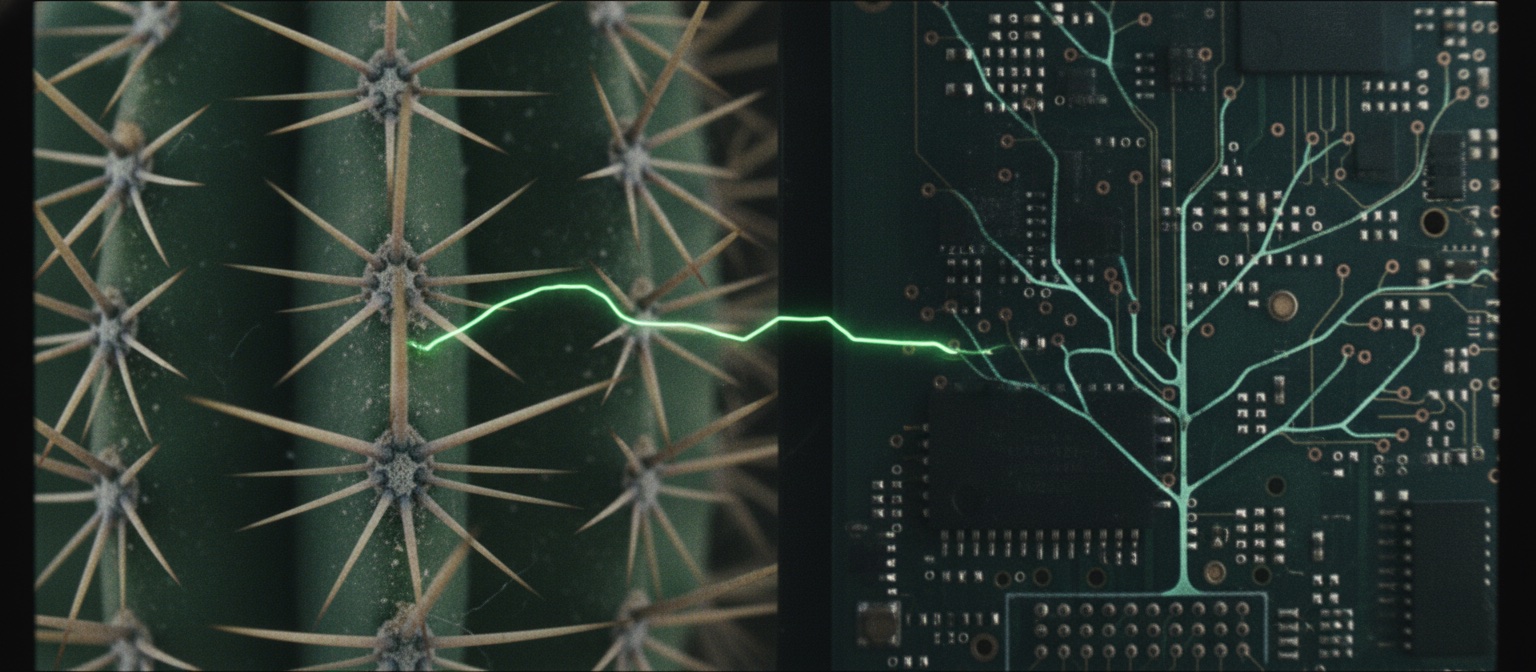
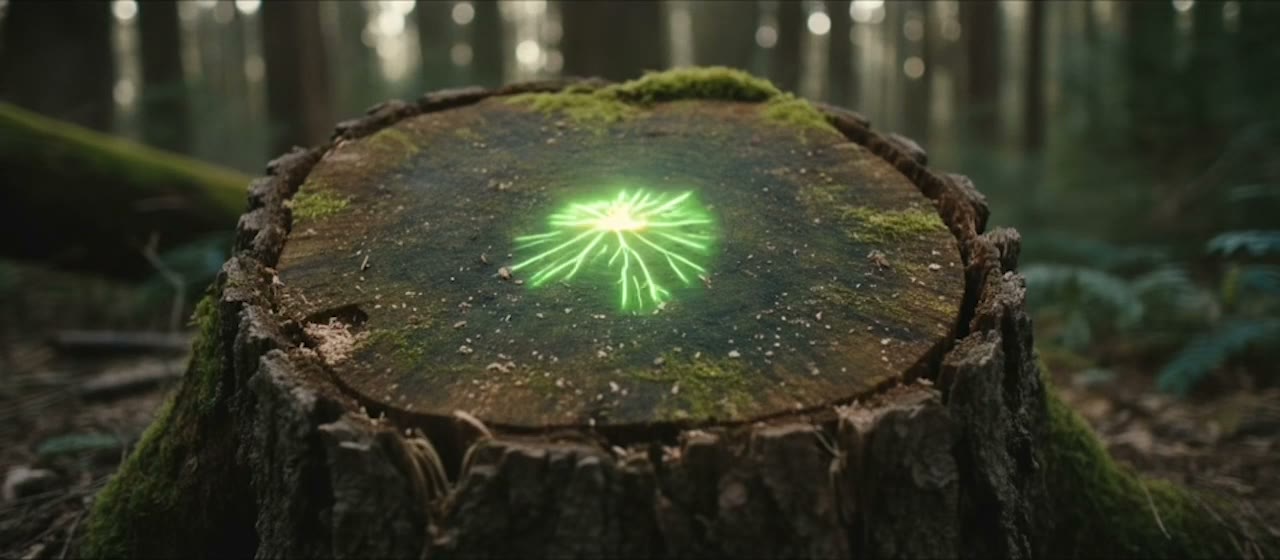
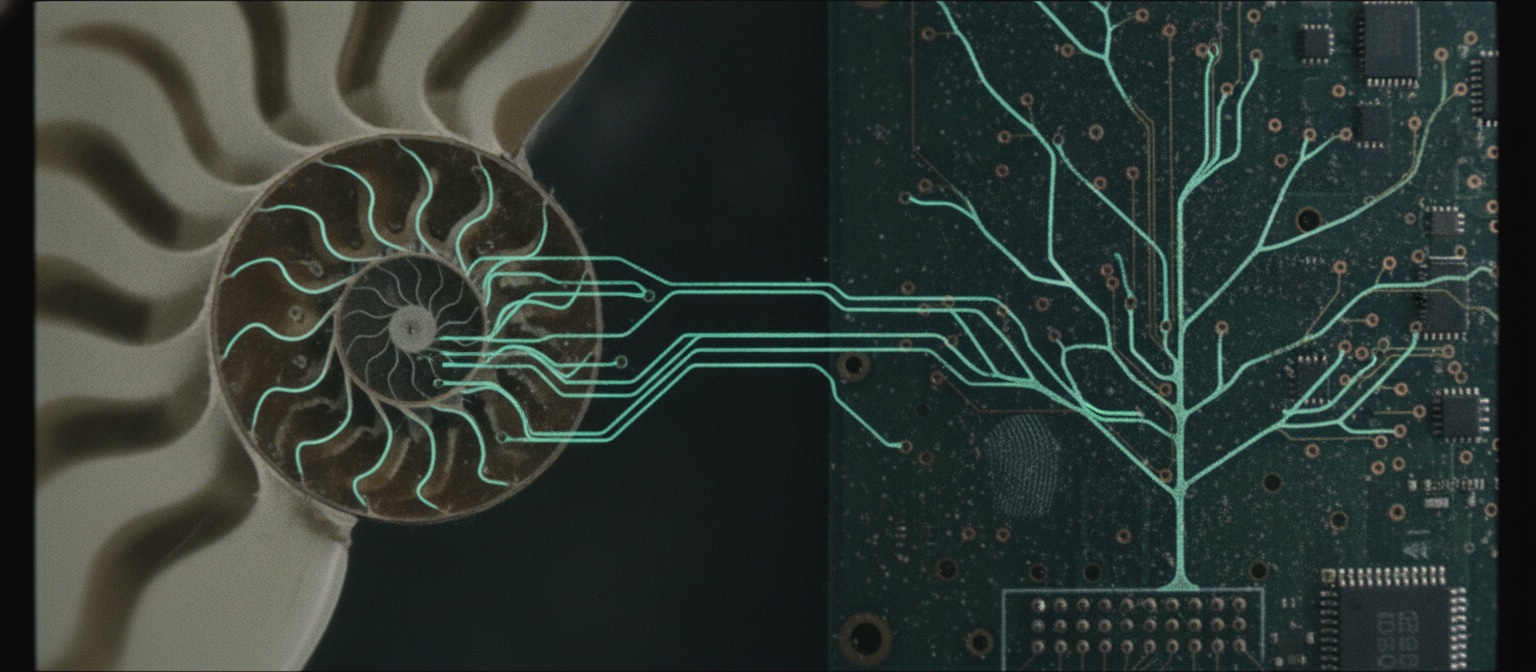
We act like energy is scarce. Nature never thought so. A beam of light powers a leaf. Diffusion moves what is needed to where it is needed, no wires.
A new light.
Fusion
Photosynthesis was the rehearsal. Fusion is the performance. Not one sun at the center: the energy is divided out and given to everybody. A sun in every pair of hands.
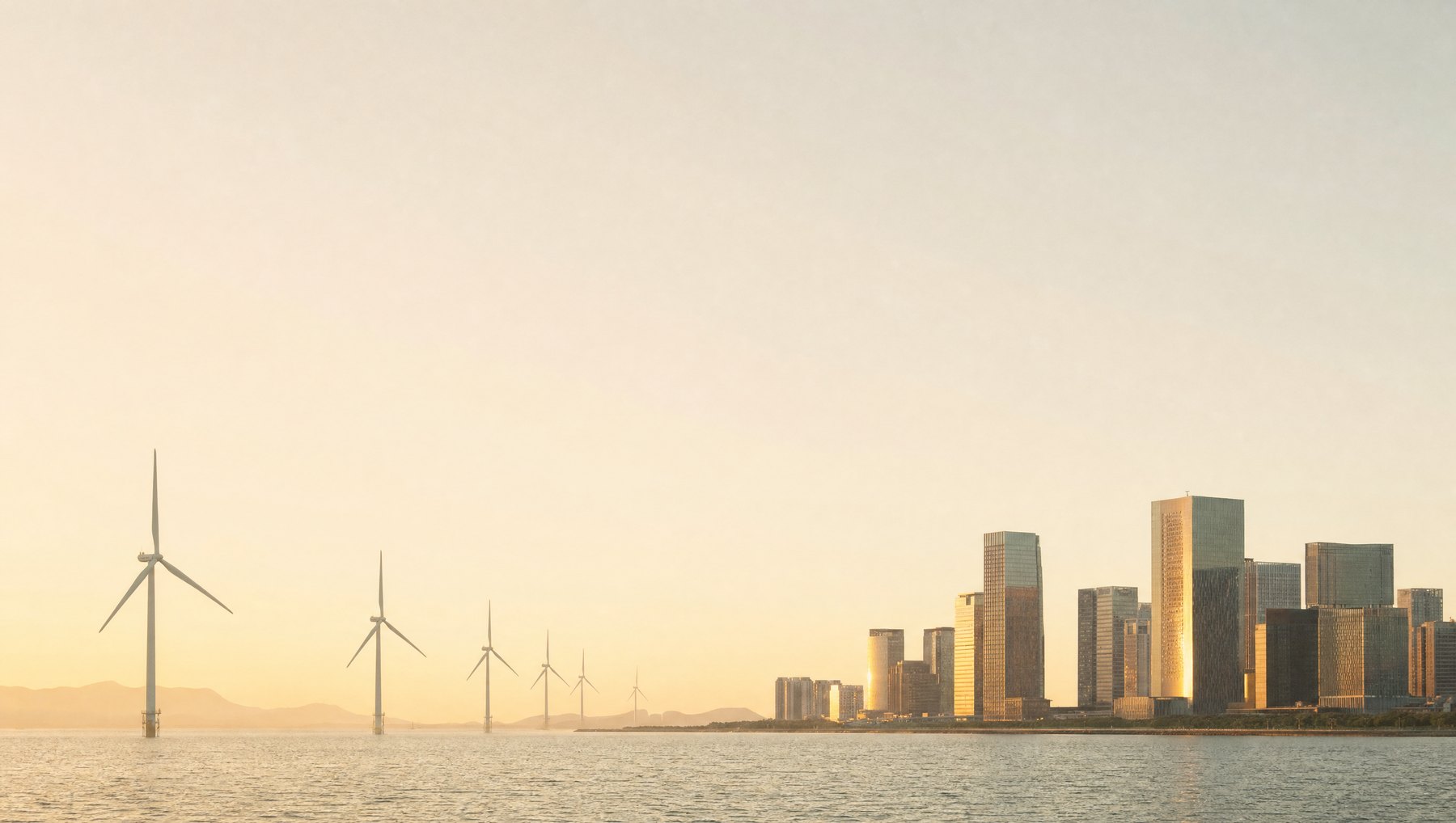
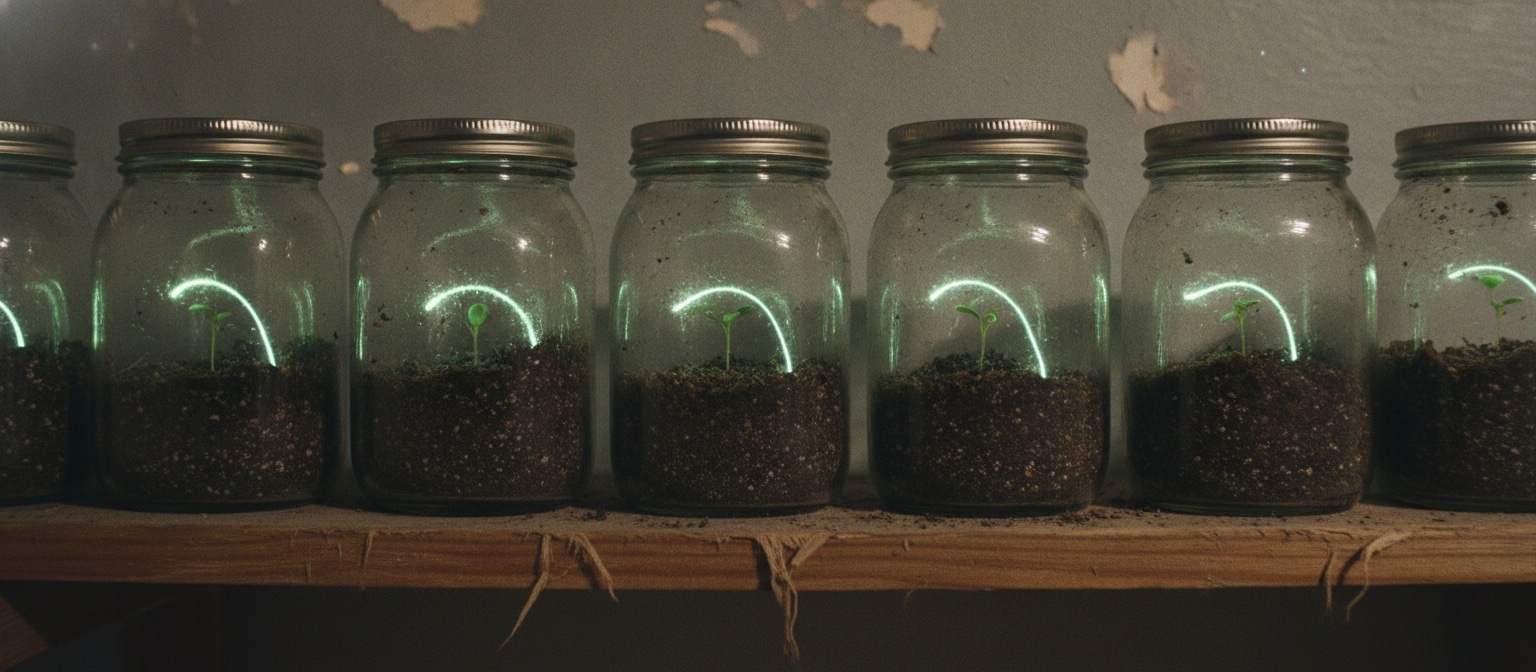
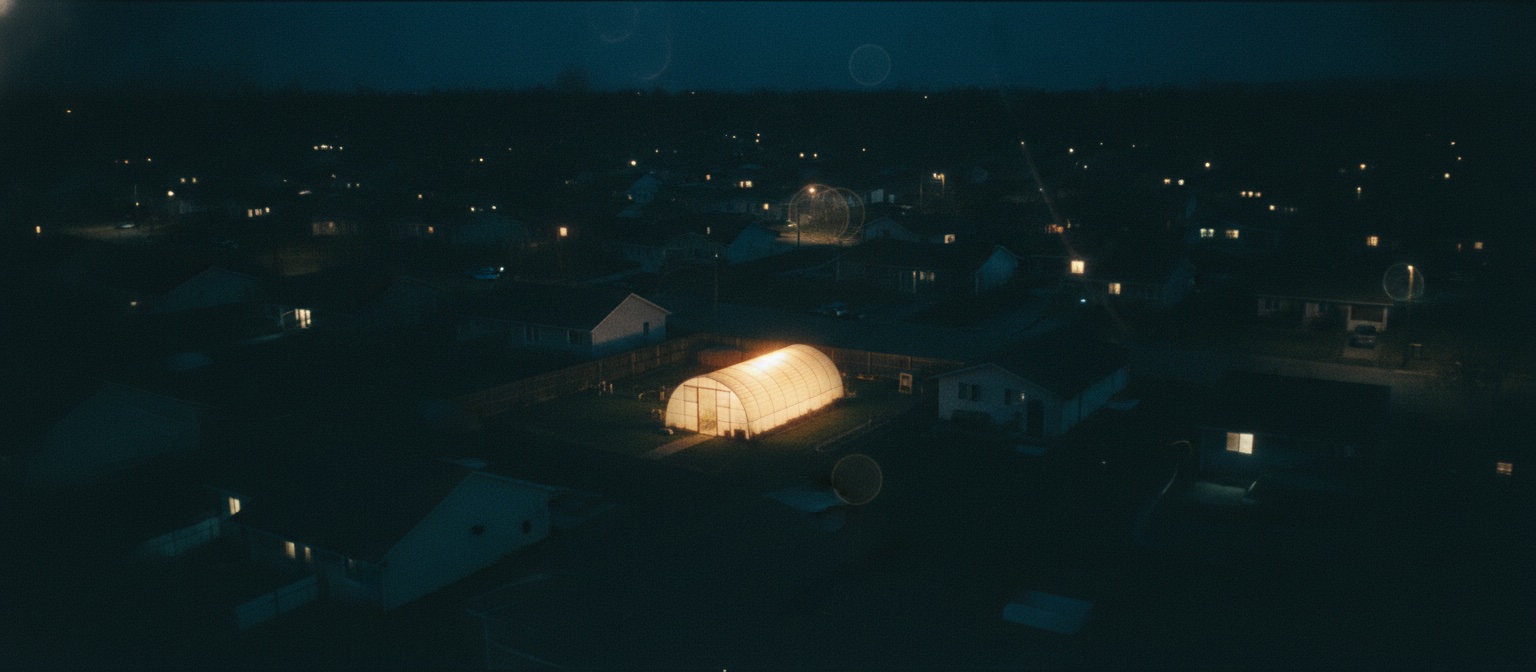
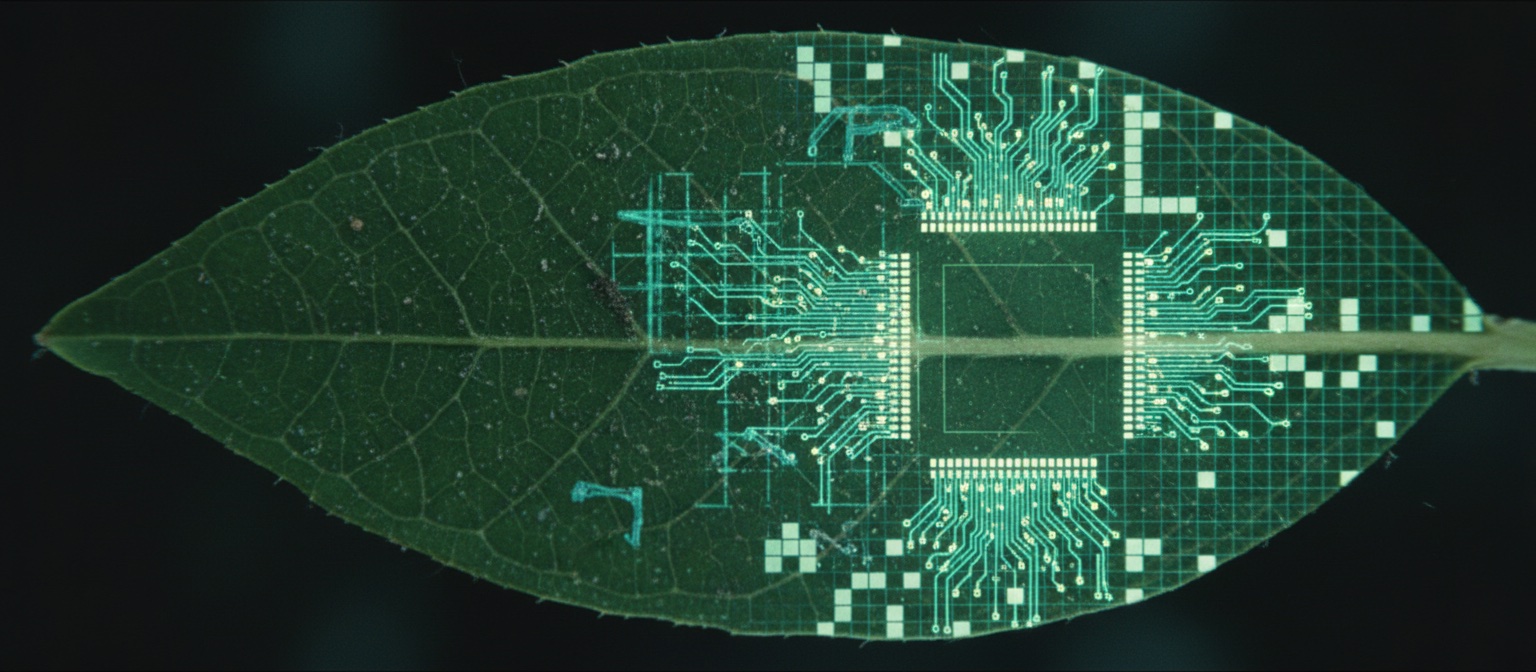
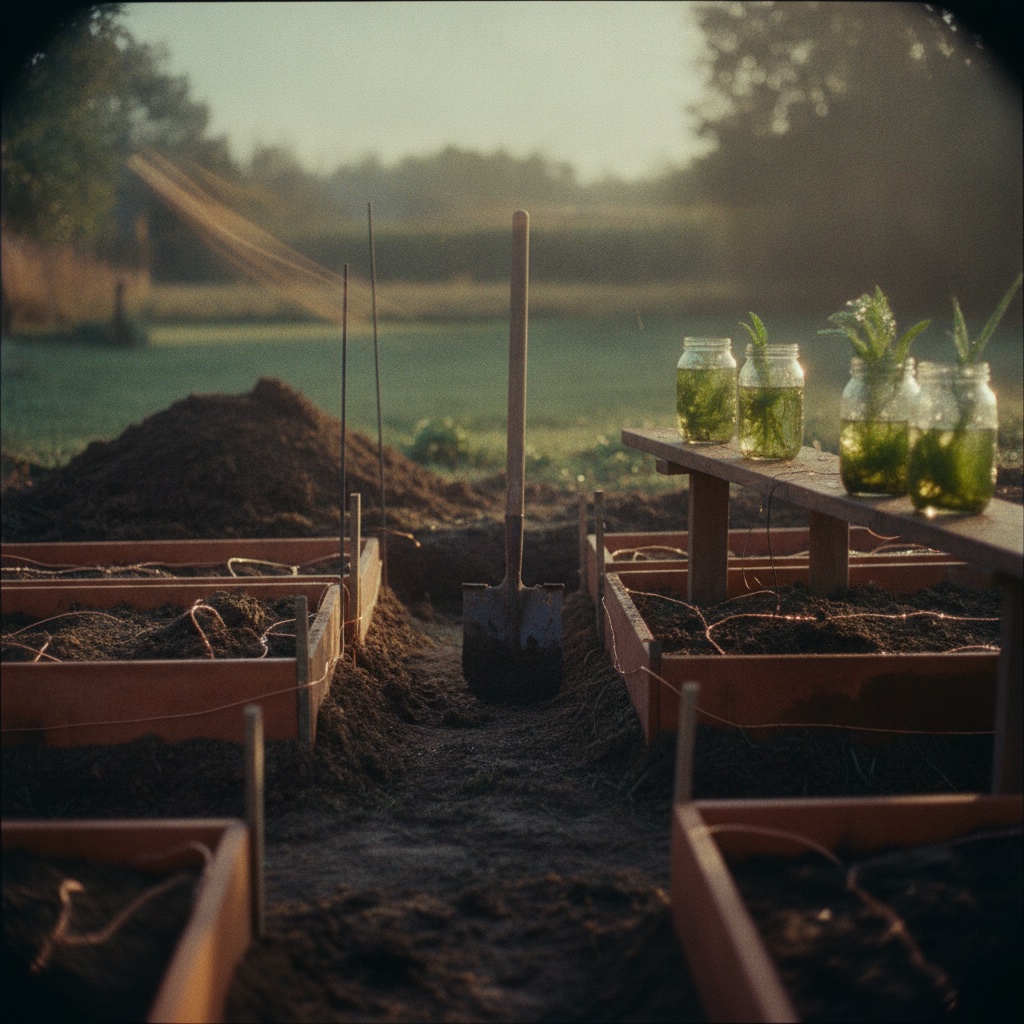
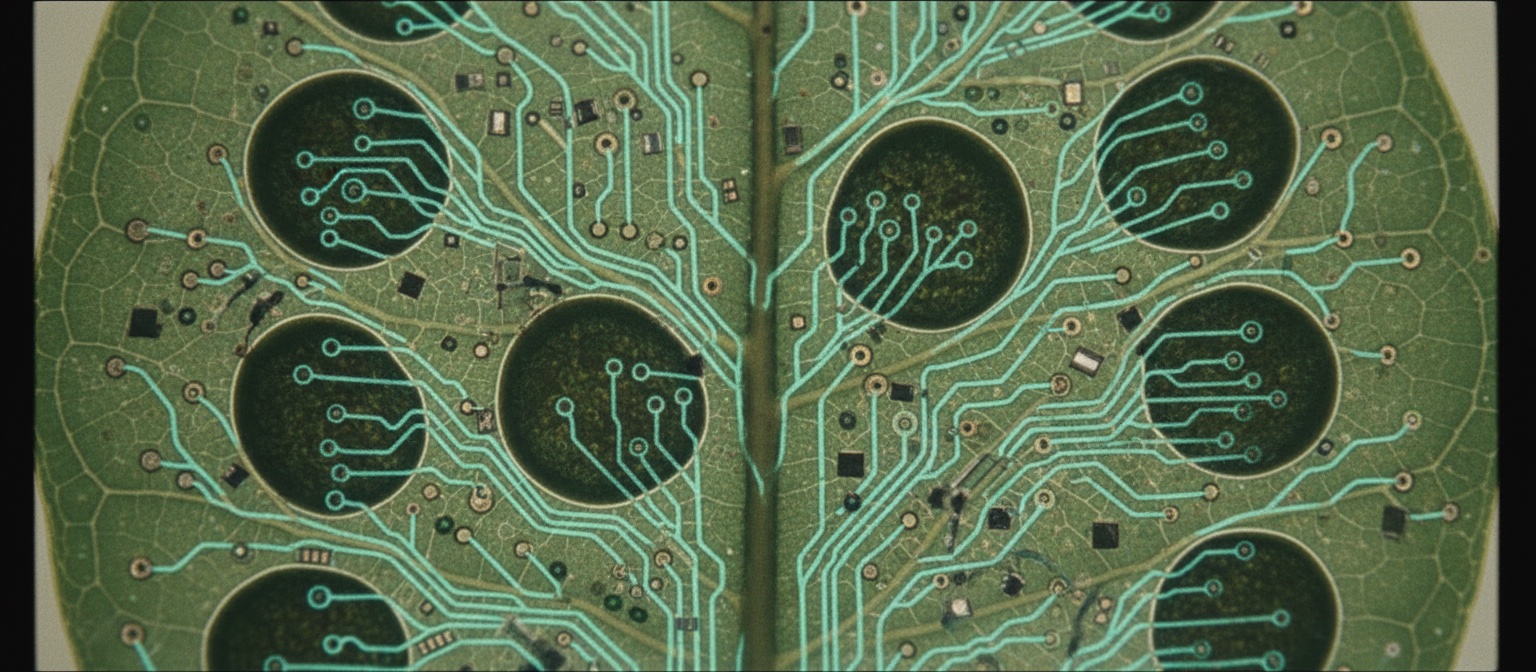
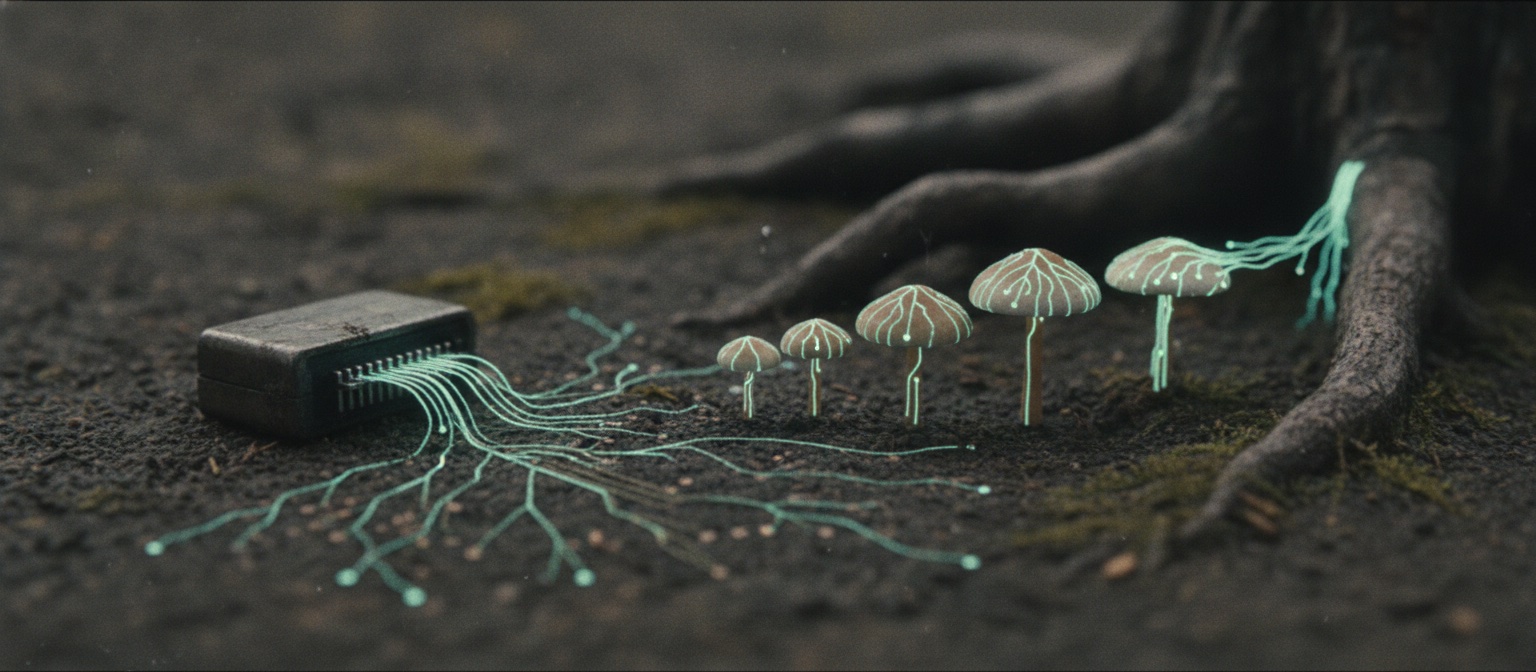
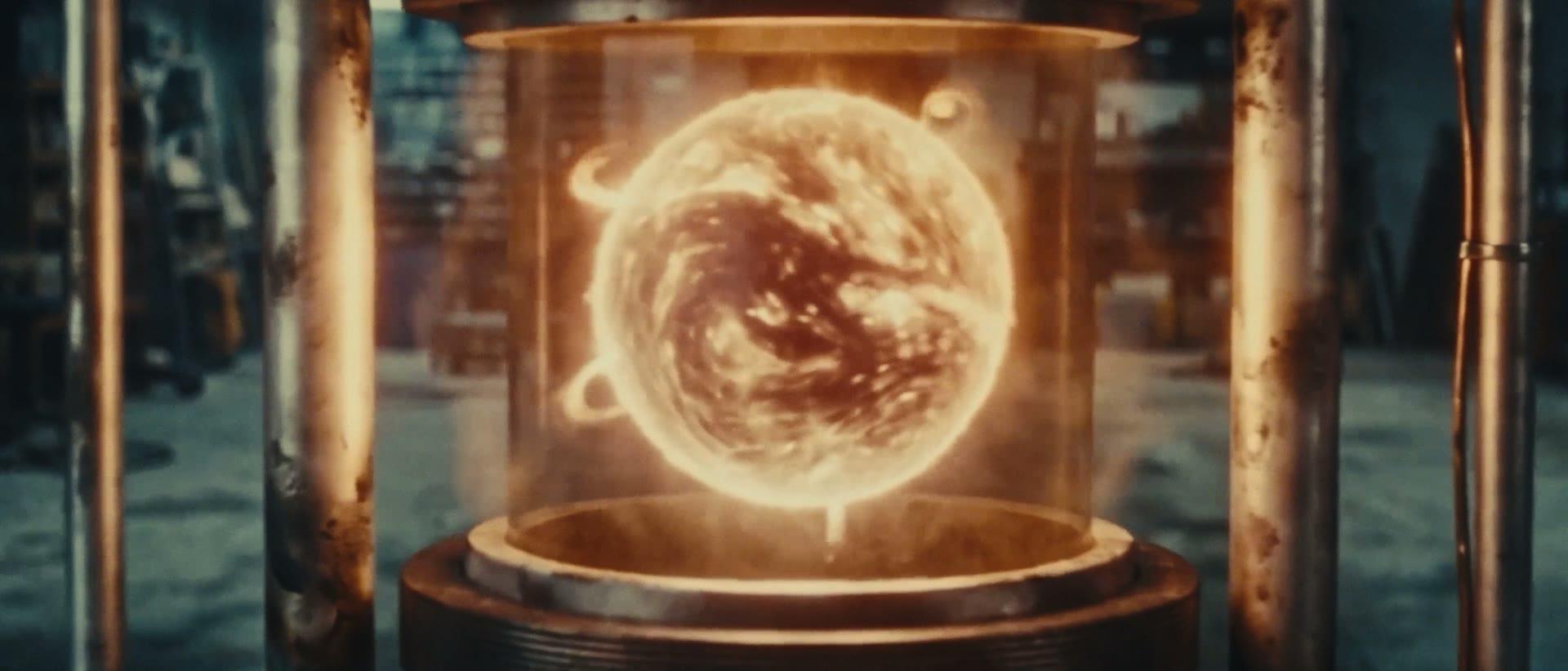
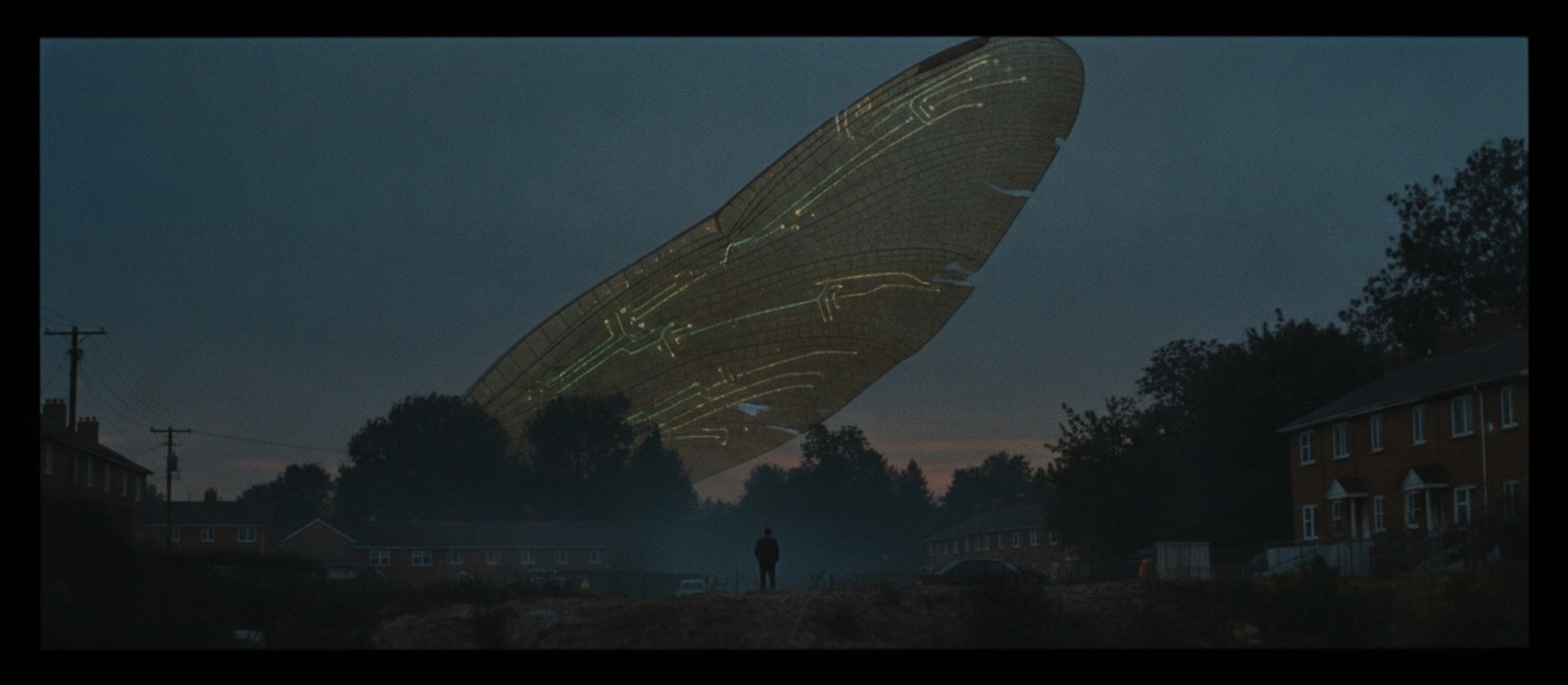


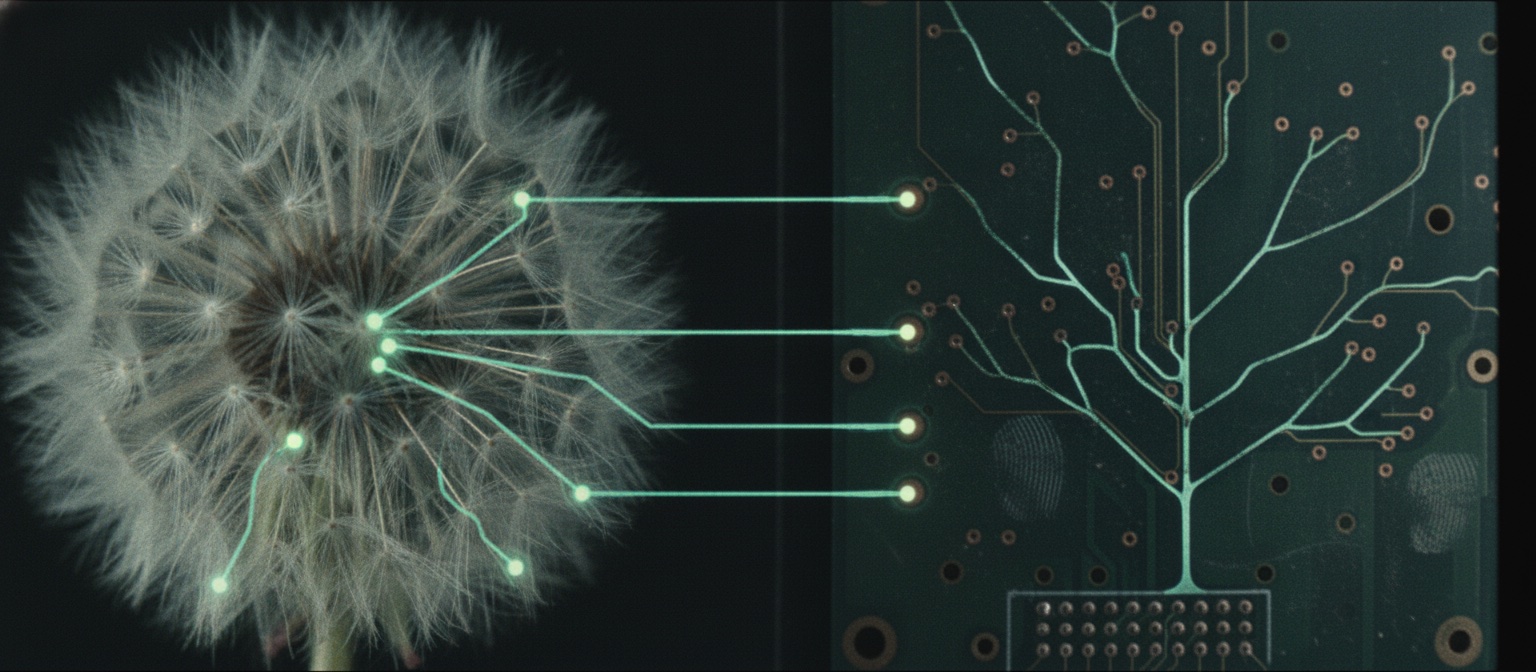
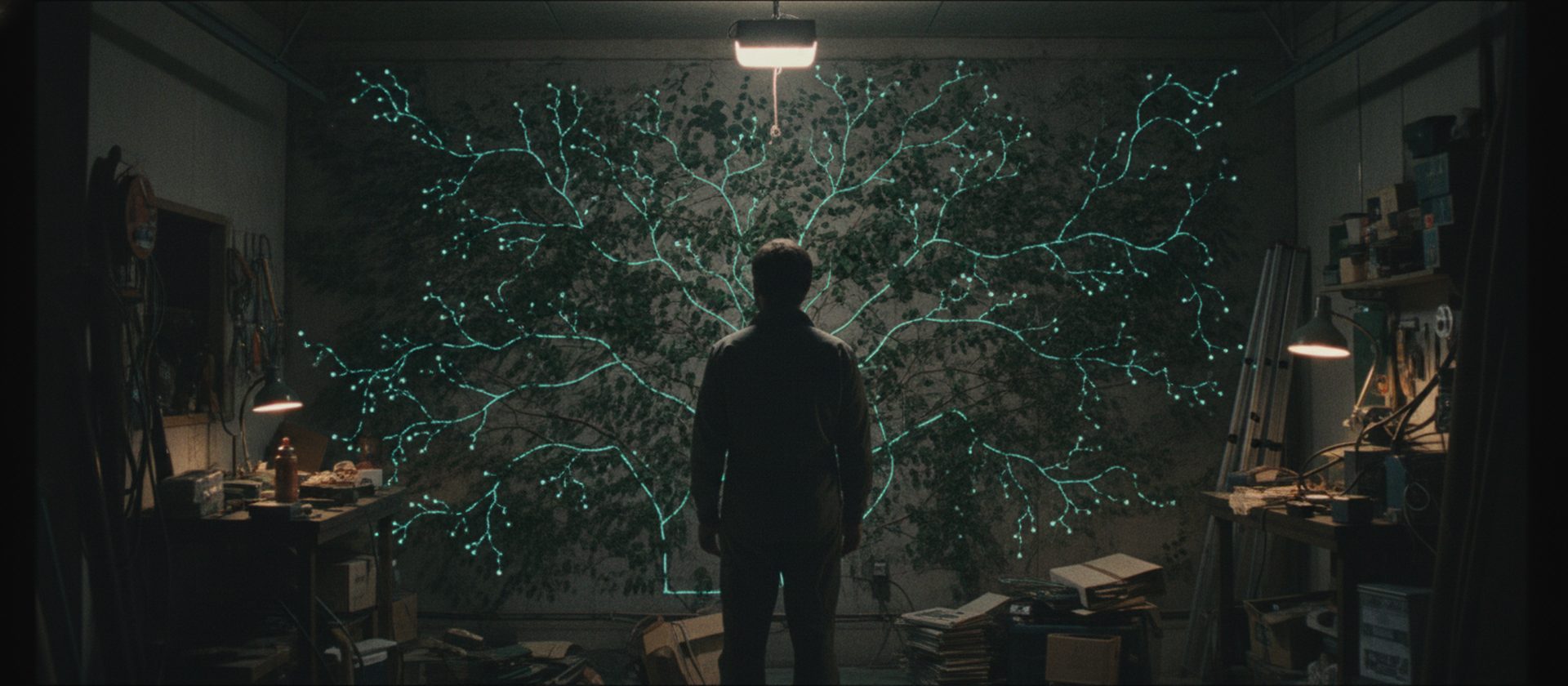
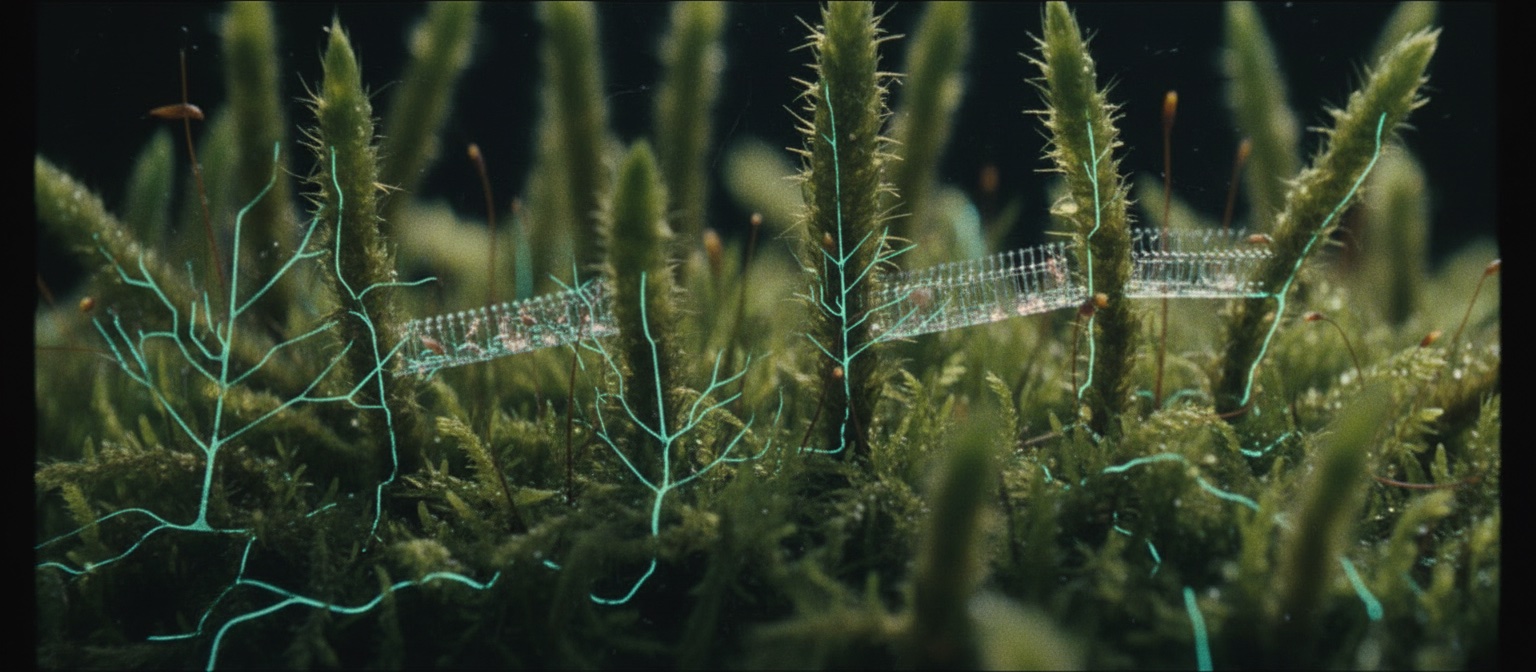
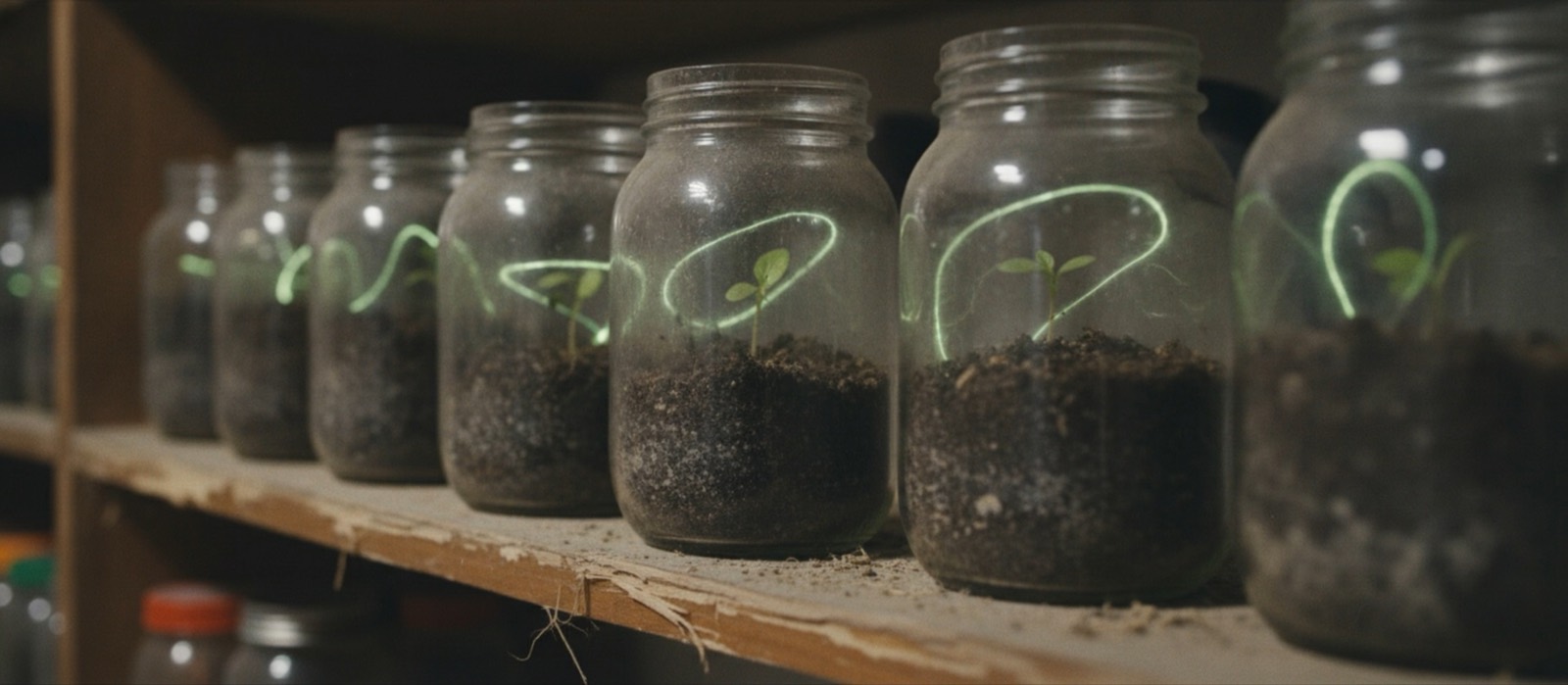
Anything this powerful cannot belong to anyone. Not a company, a government, a genius, or a machine. Energy, intelligence, the future itself: spread it out or lose it.
Power isn’t taken. It’s built. So was the film.
The film puts its hero and its villain on one line, and the first mark on that line is power. The CEO holds it by keeping it: the AI, the power, the city, the story. Adam lives at the edge of the map, where they have neither kind, so he builds. Power taken sits in one pair of hands. Power built can be handed on.
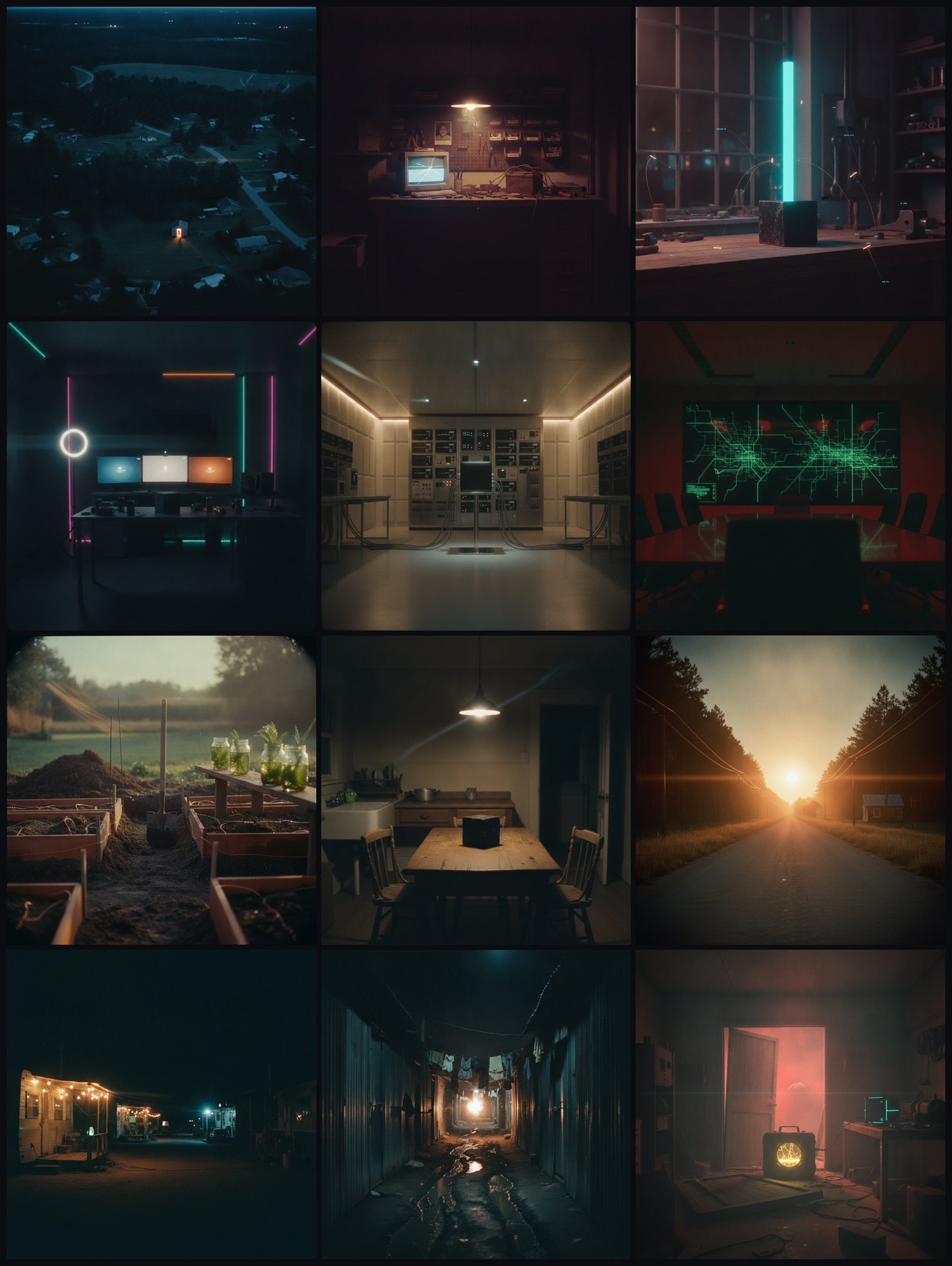
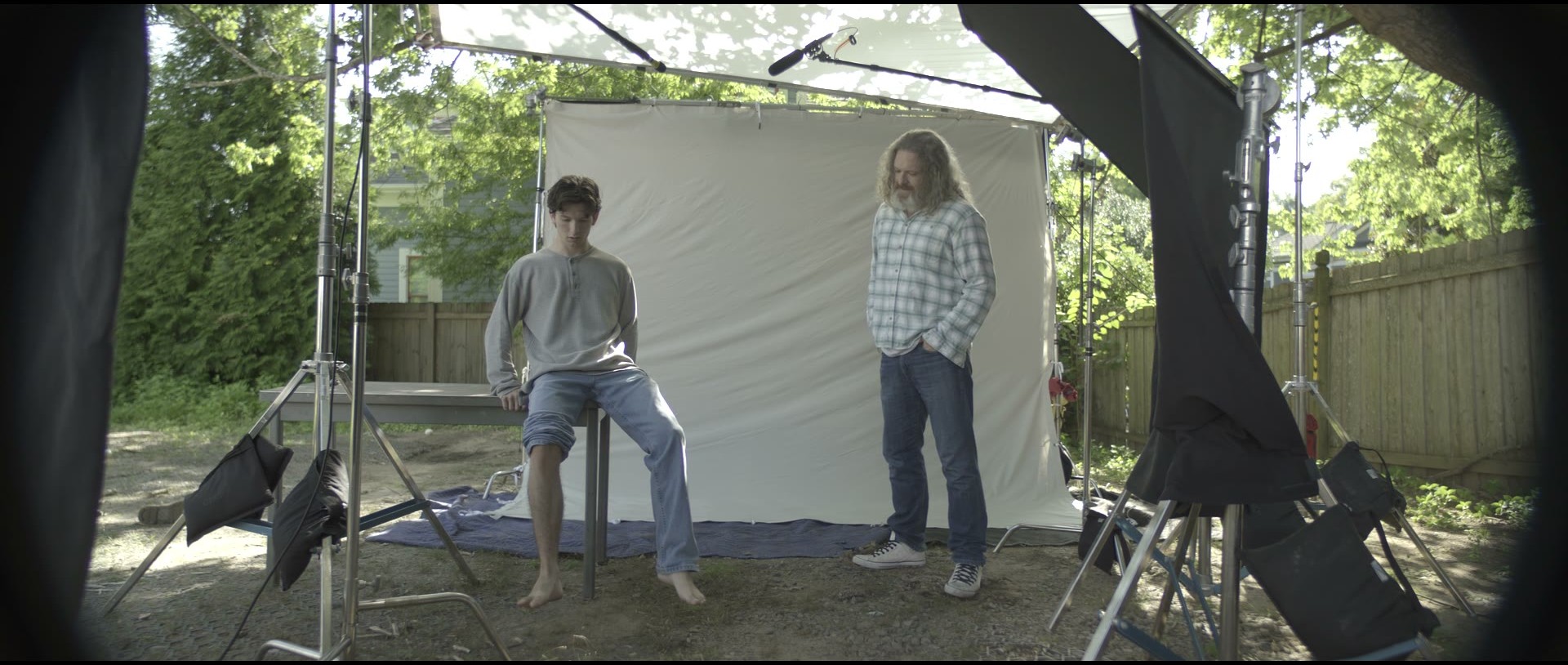
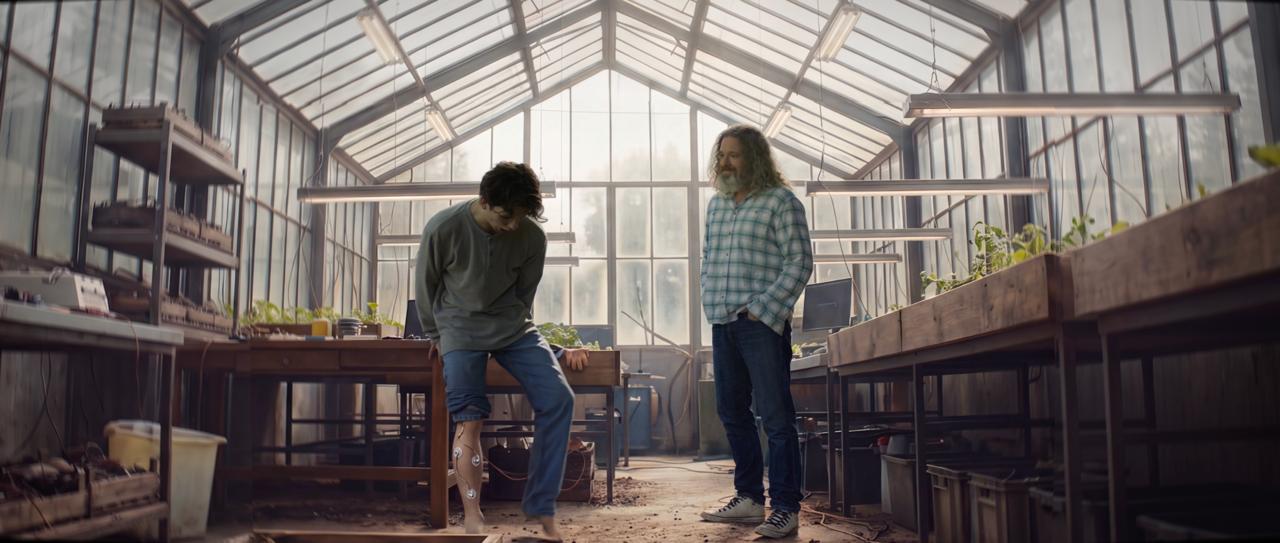
We had to answer the same question about ourselves. A small team, one trailer, and an AI in the writers’ room. So the machine did the heavy lifting and we kept the choosing. Real actors on glass. A world built around them. Half a million frames iterated by machine, and every frame that mattered chosen by a human hand.
That is the blueprint, and it is built to travel. It repeats. A team with a story and a lead can take the same method and make the same trade: the machine carries the weight, the people keep the judgment.
The future of filmmaking is human.
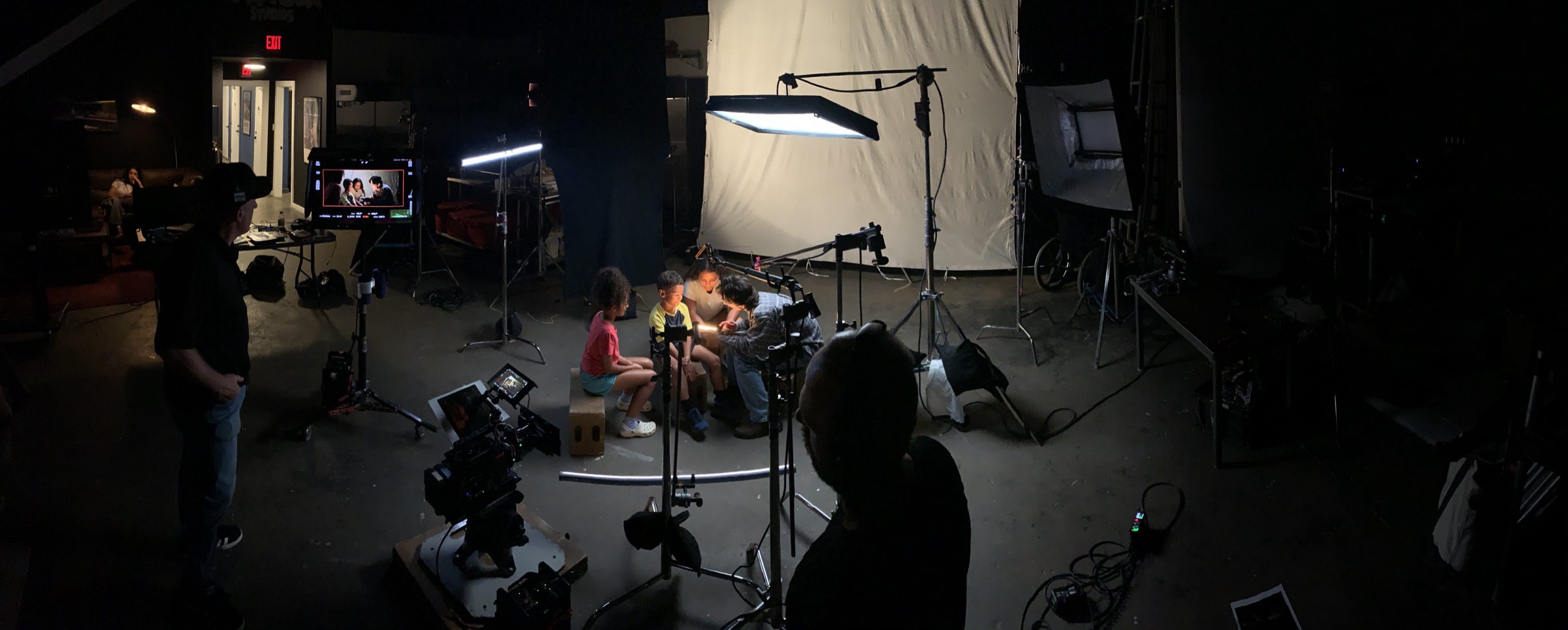 The stage · lit
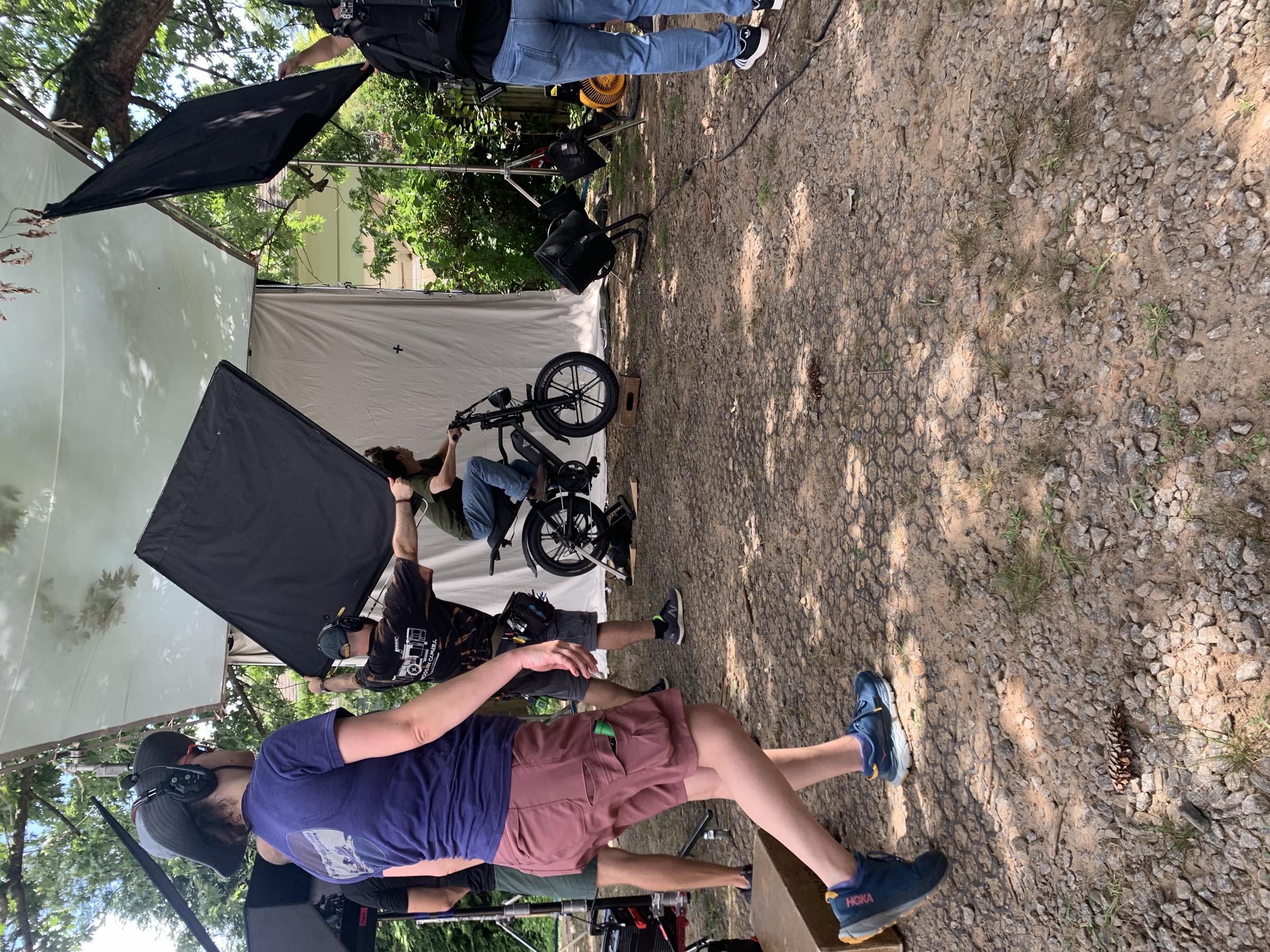 Crew day ebike
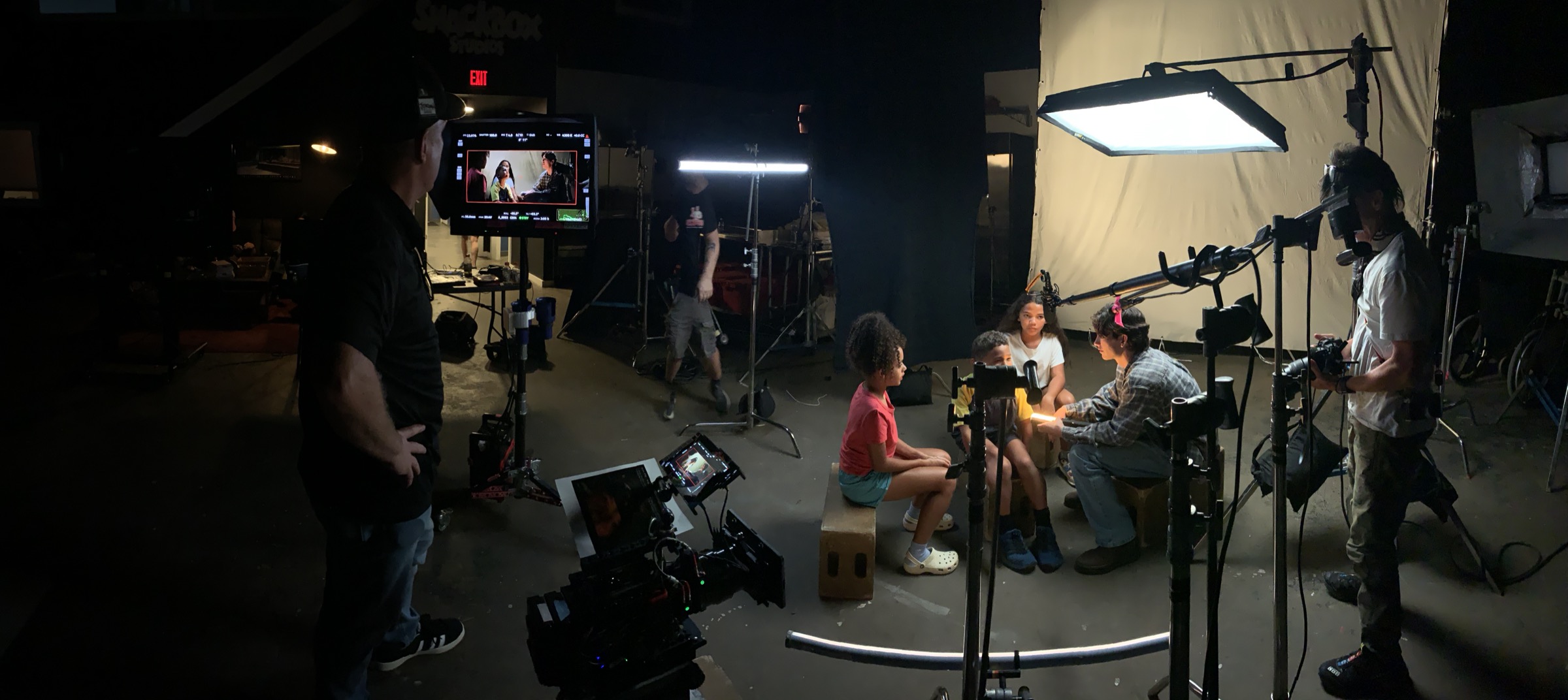 Lit set cast
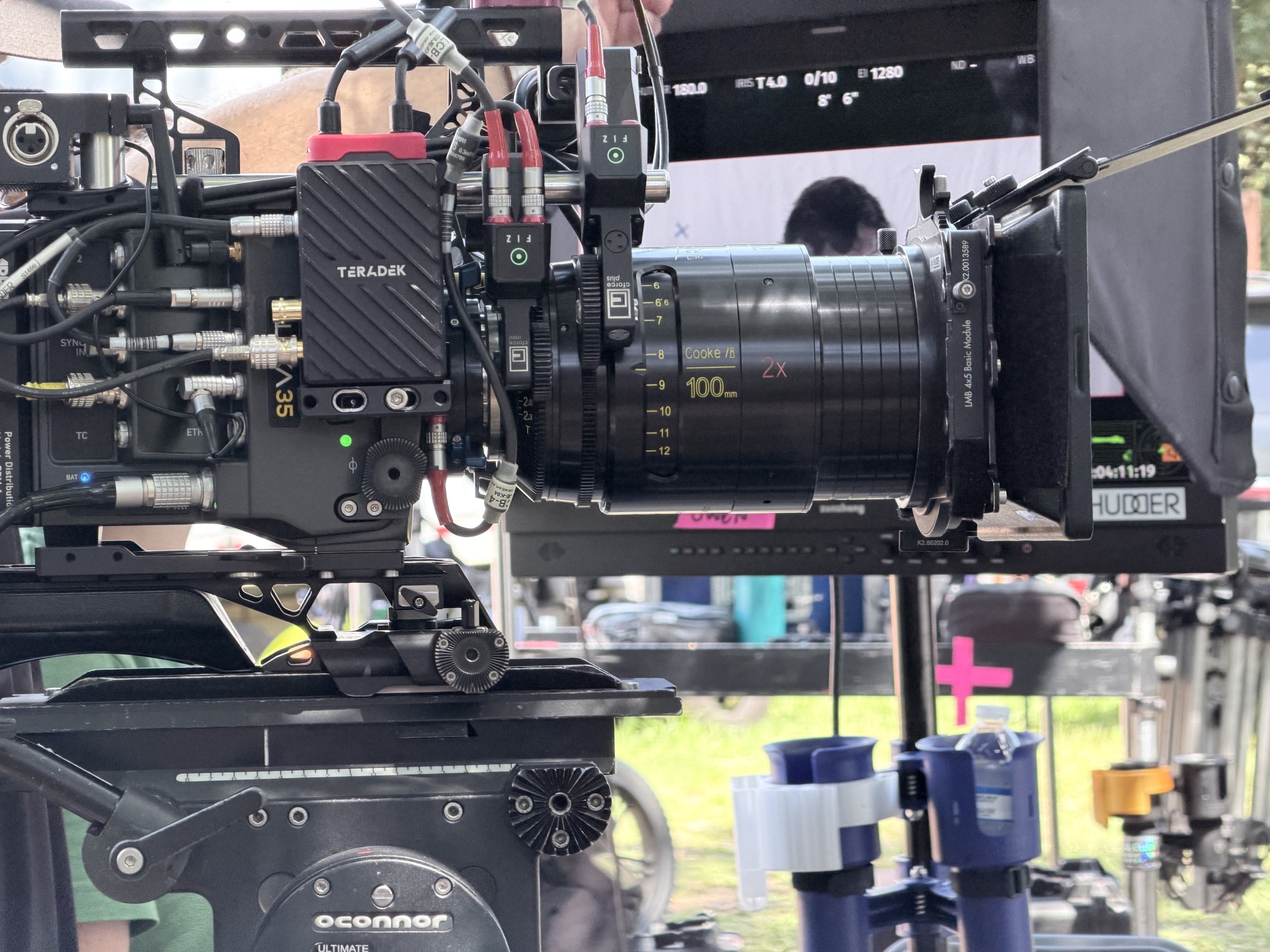 Glass · the Cooke
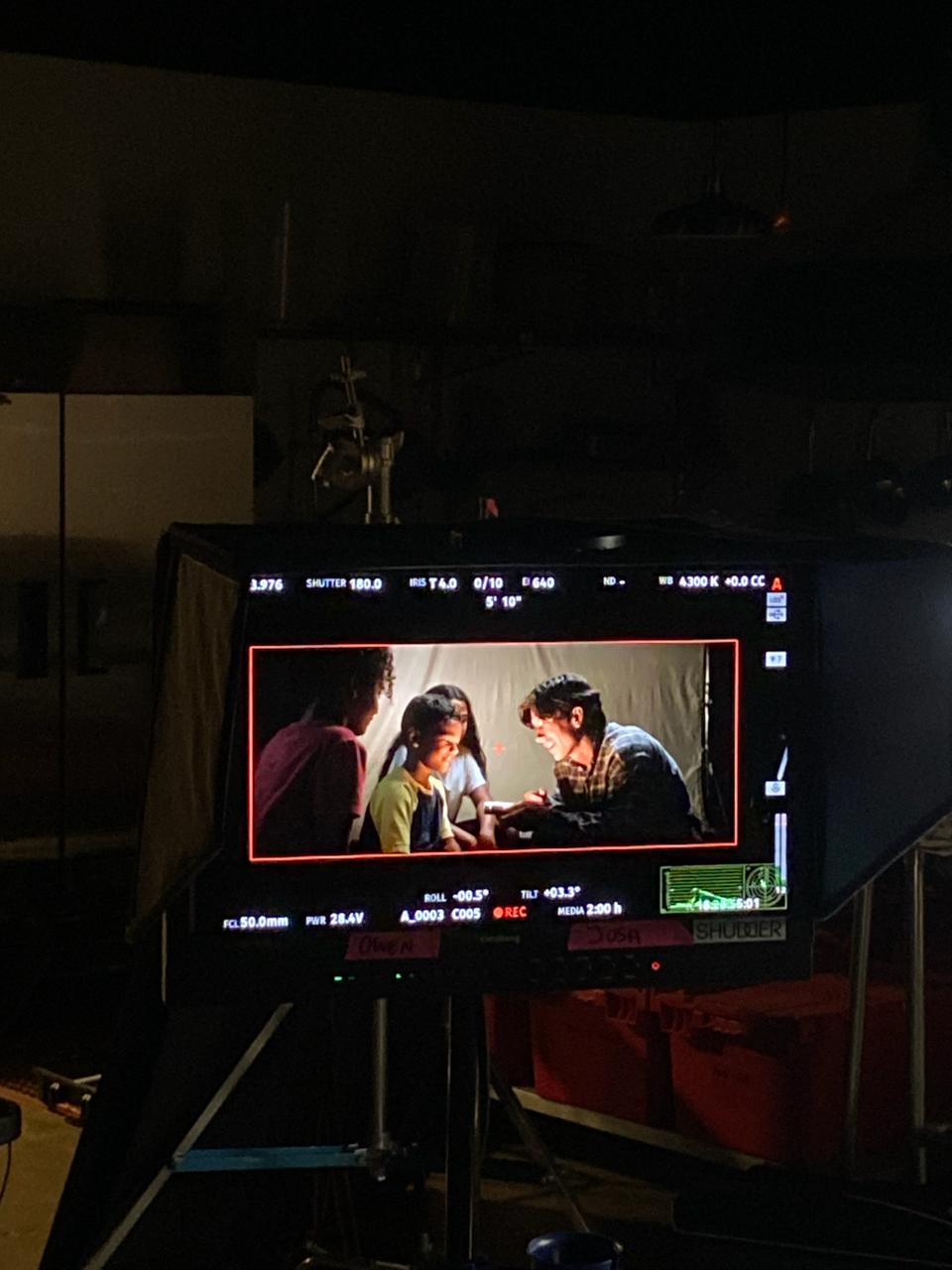 Monitor · smiling
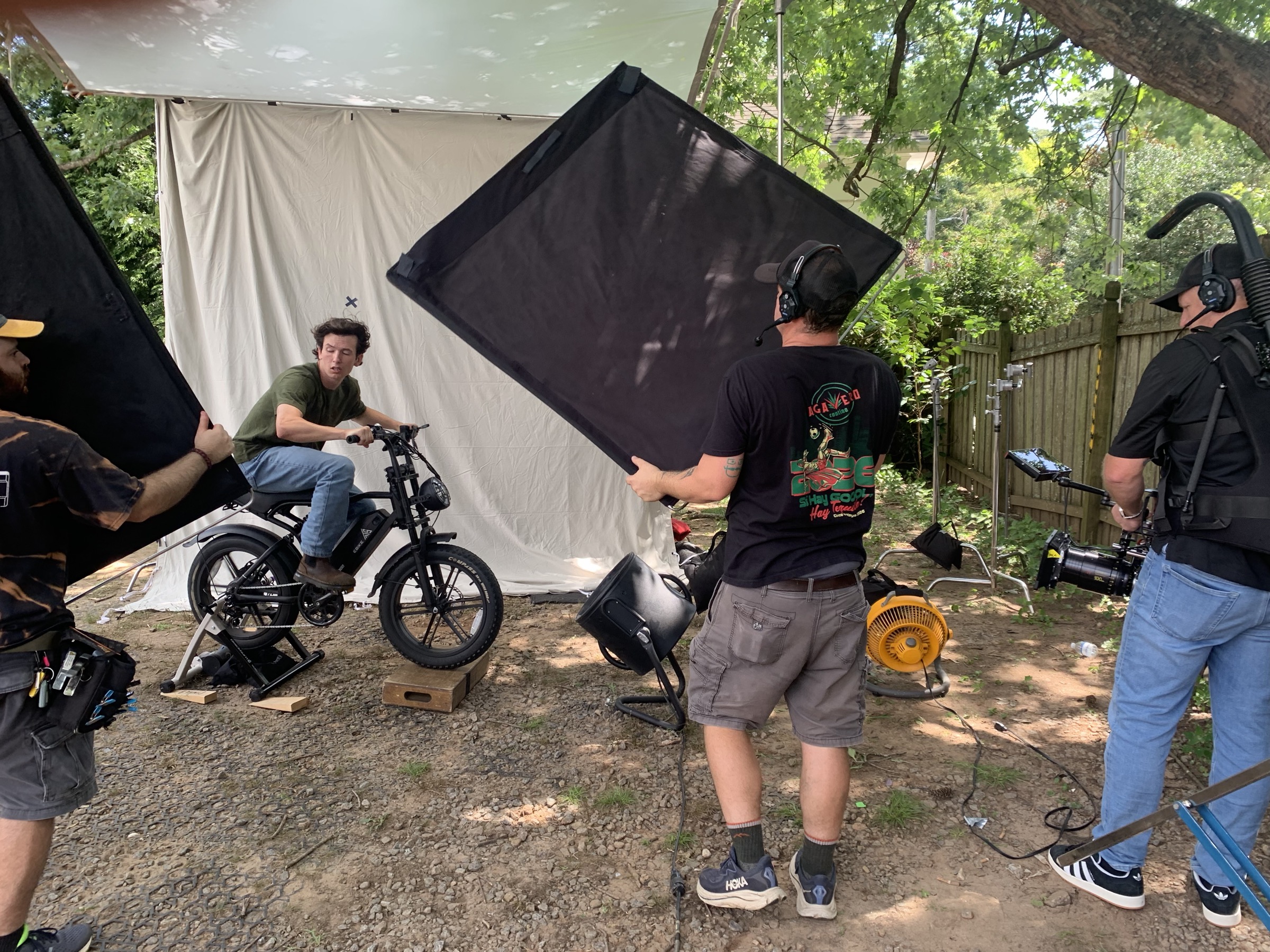 Crew day flag
 On set
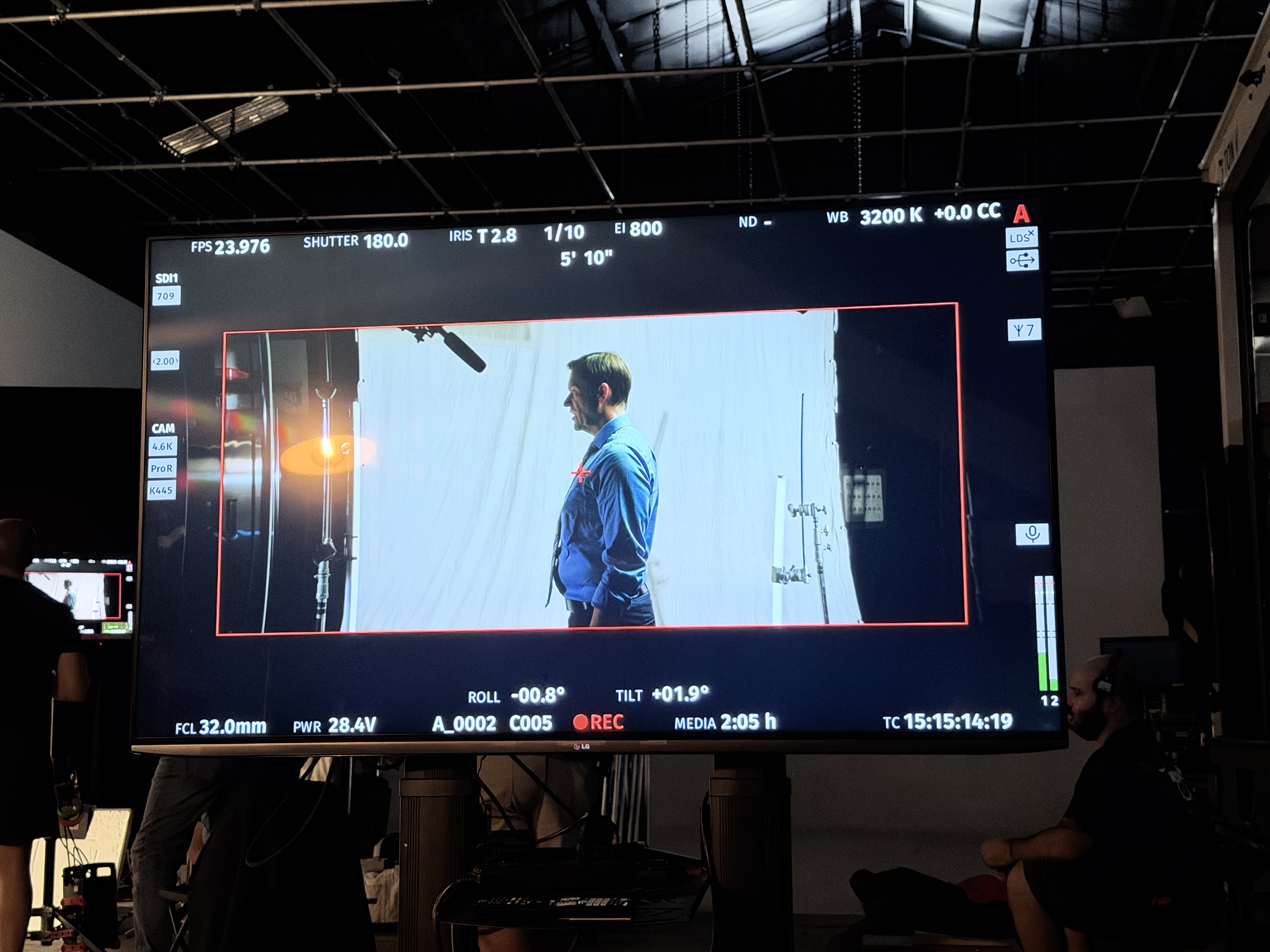 On set · the monitor
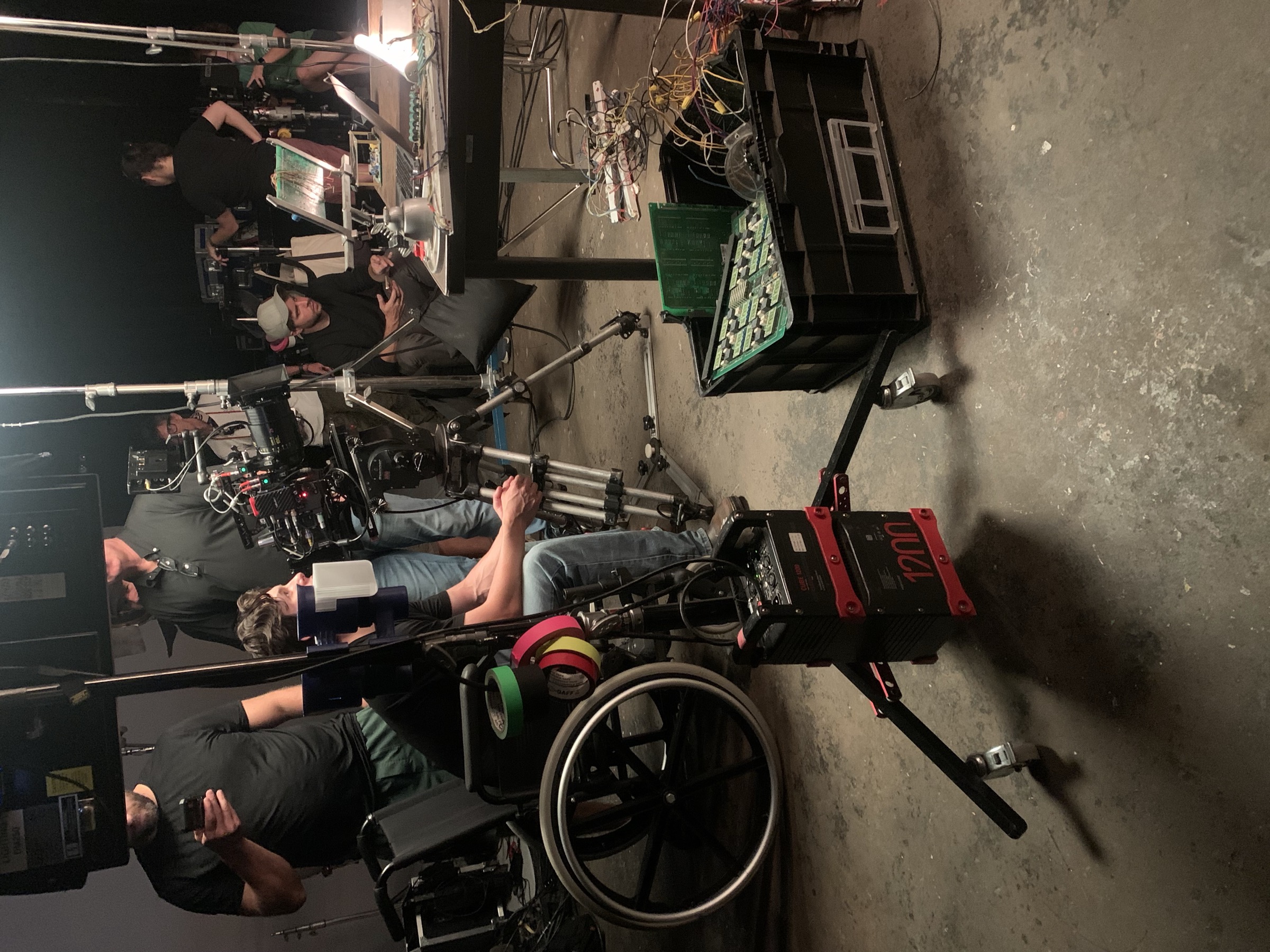 Wheelchair camera rig
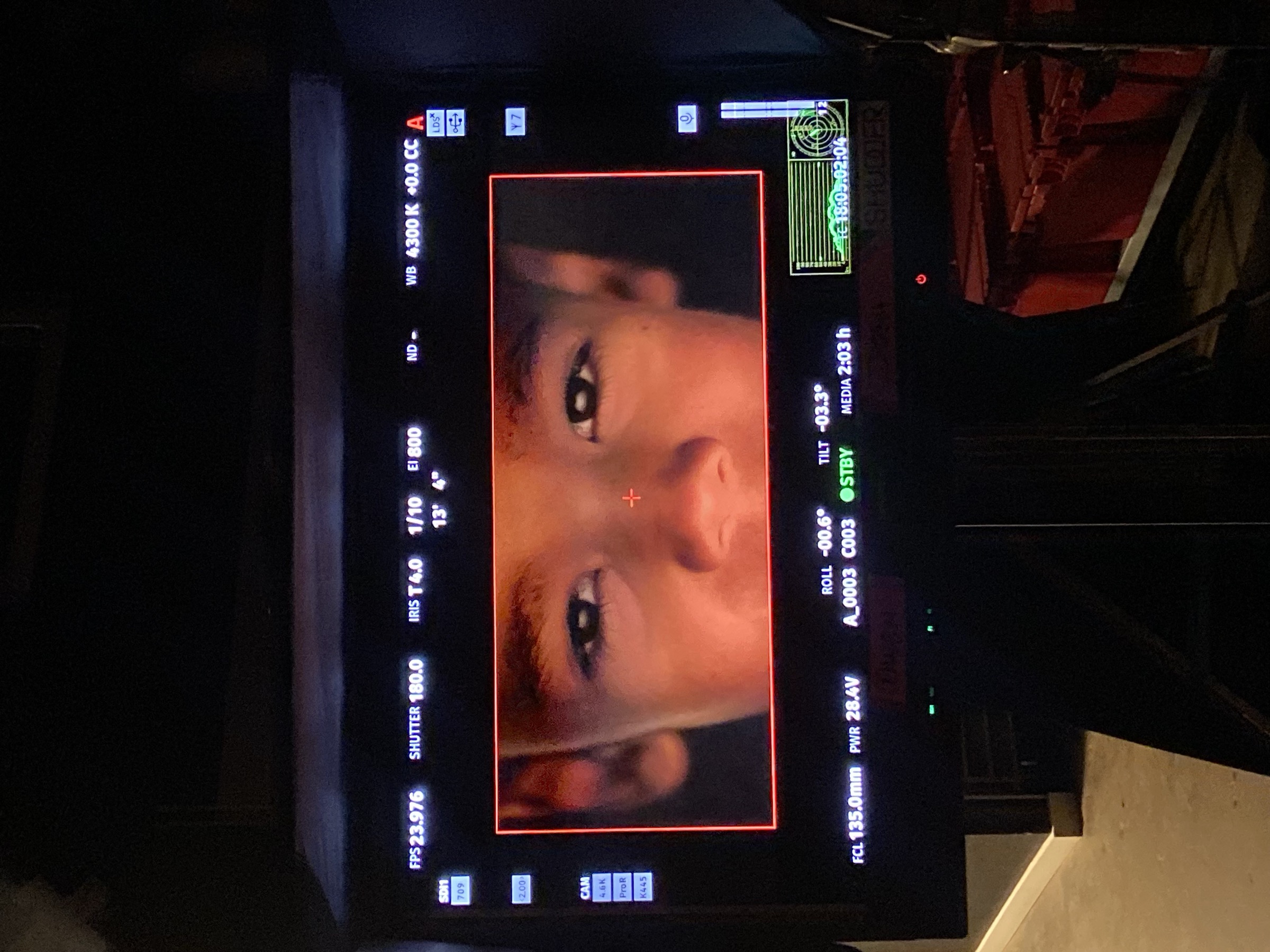 Monitor · eye
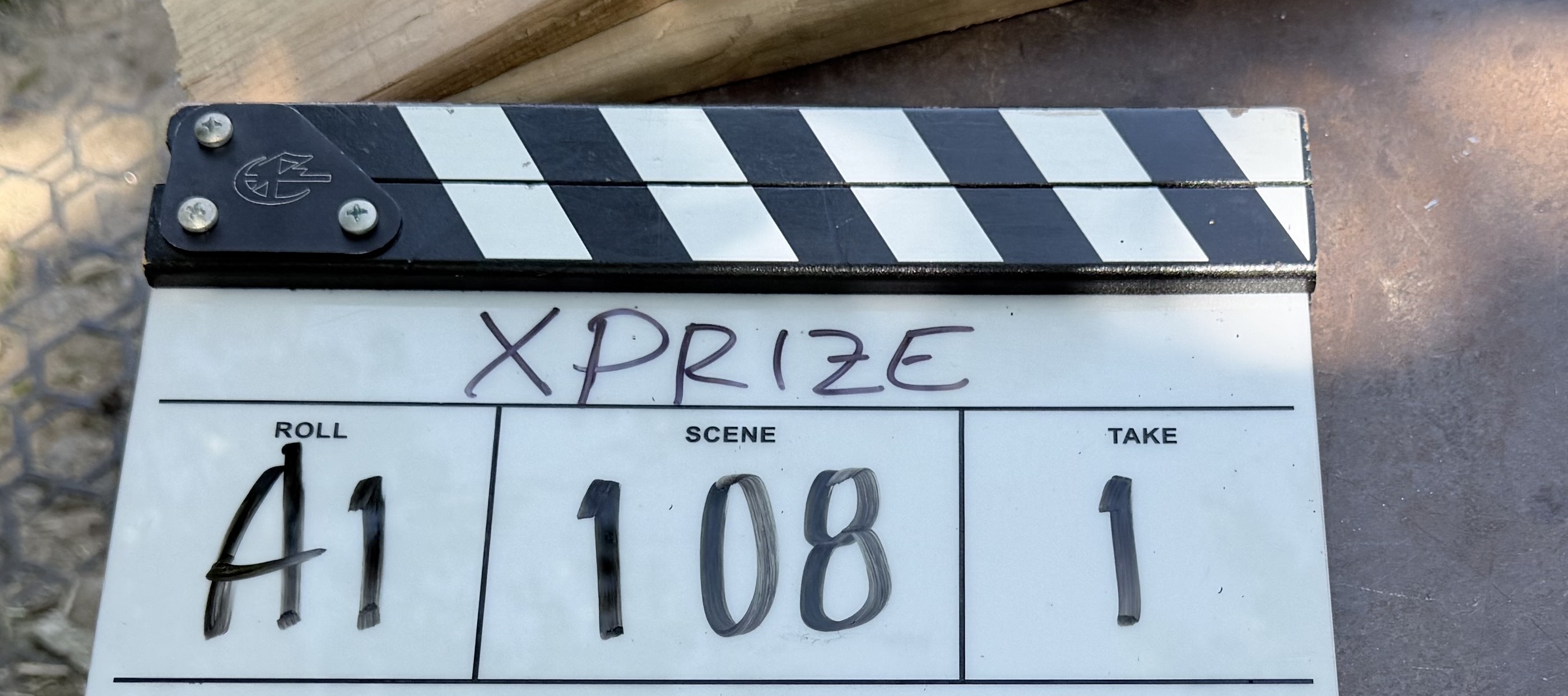 The slate
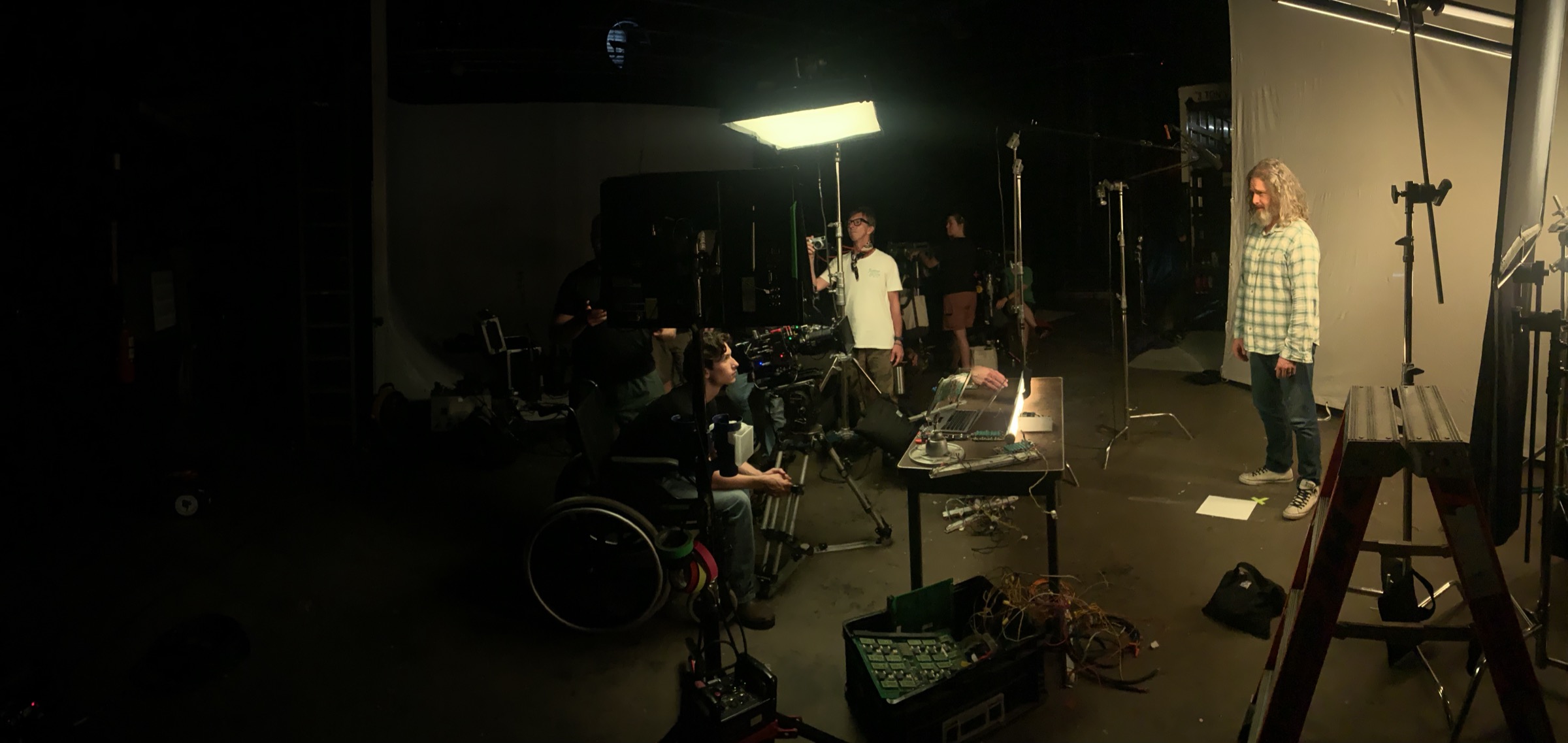 Wheelchair op
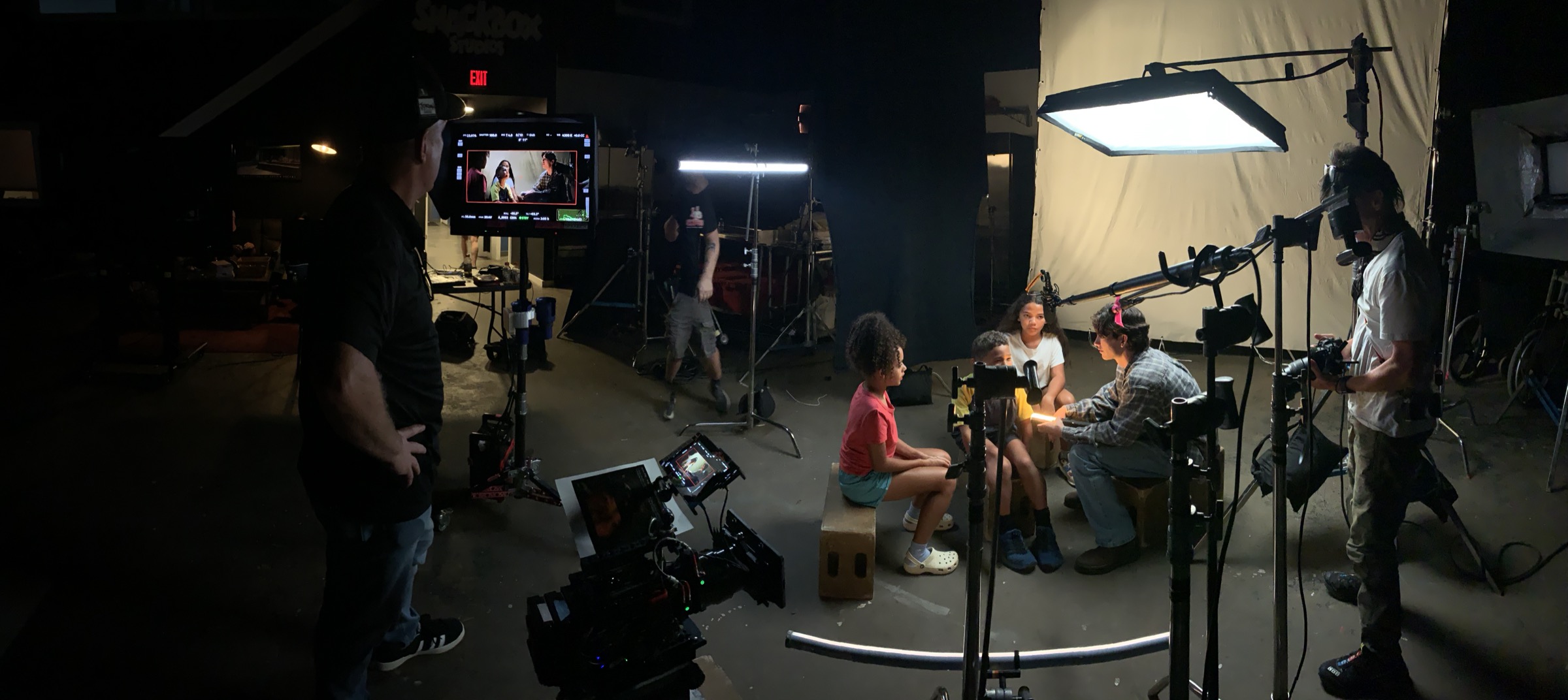 Actors and crew
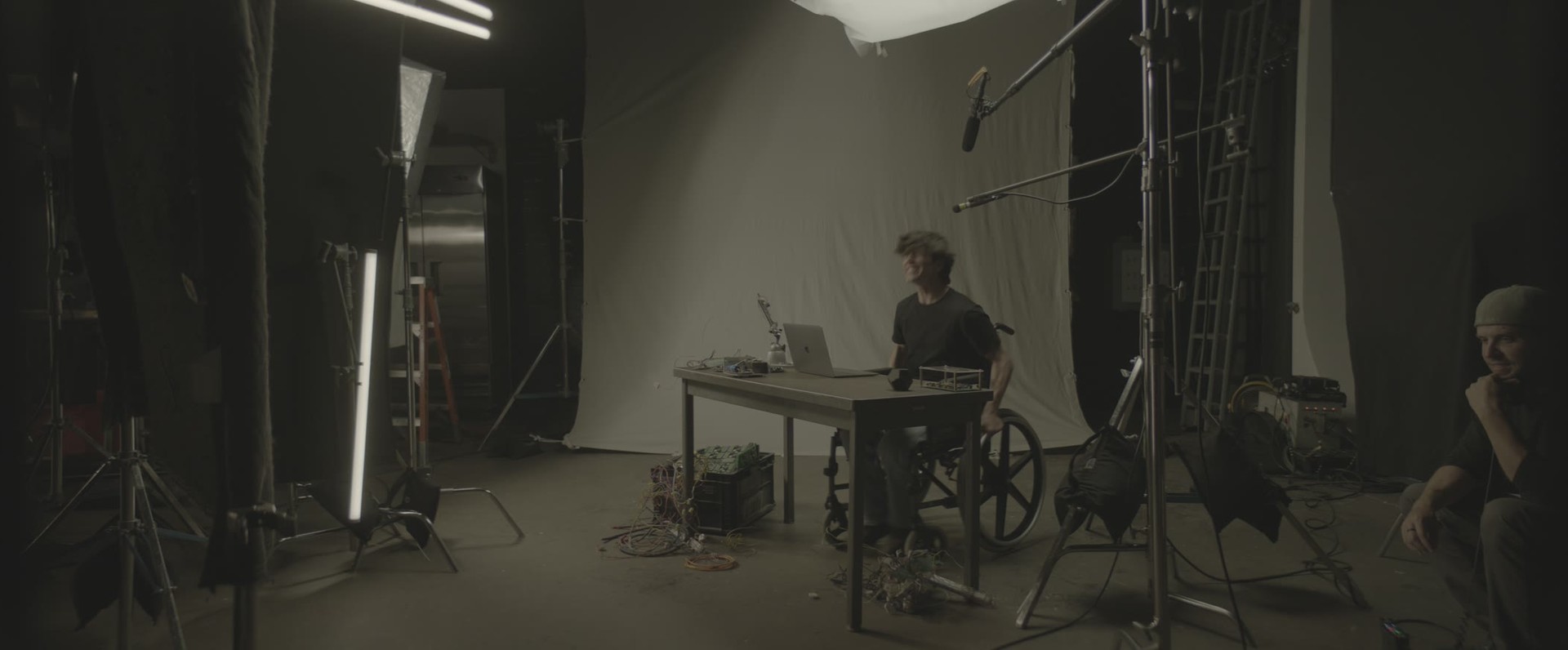 Annotated stage
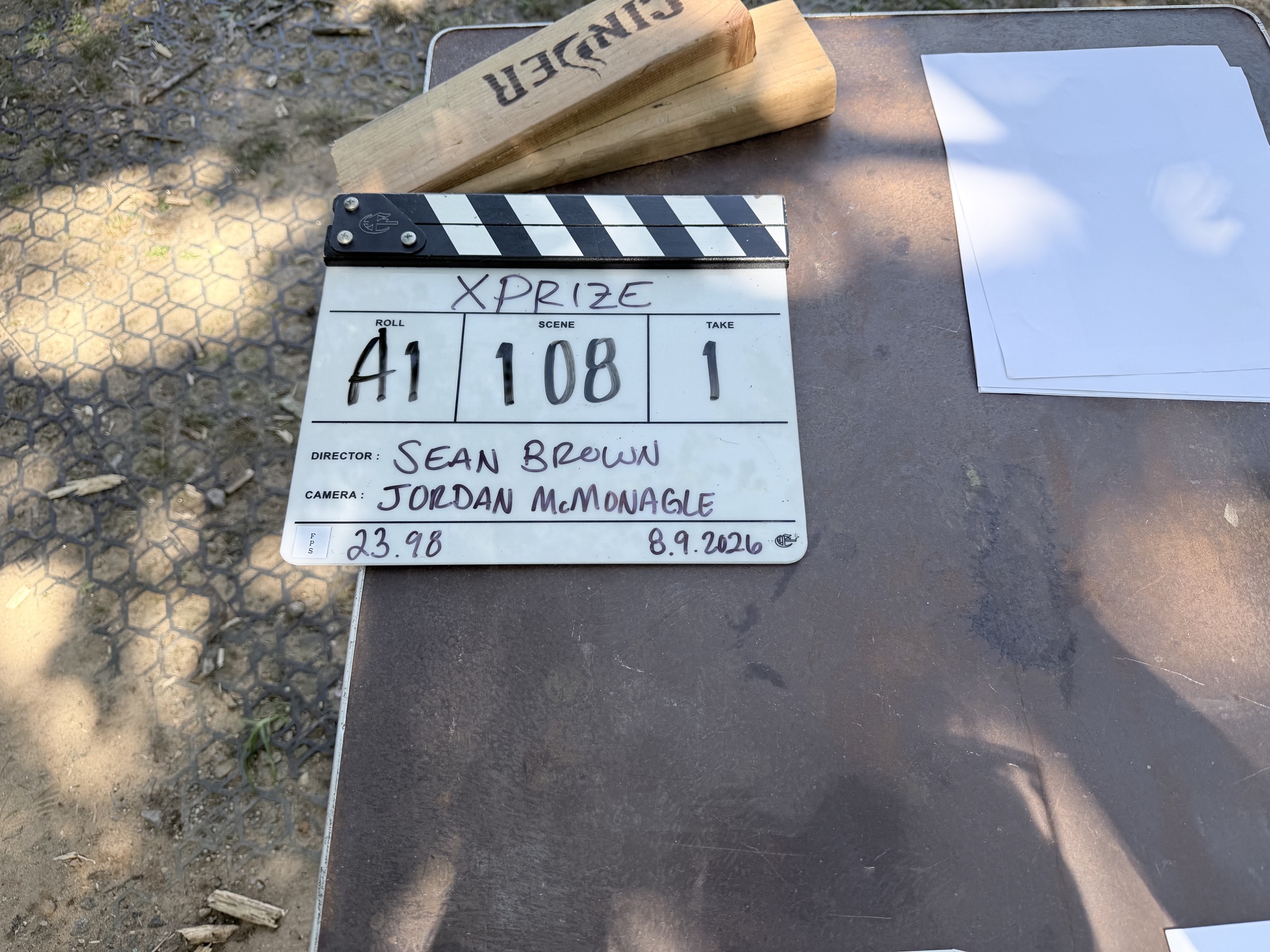 On set
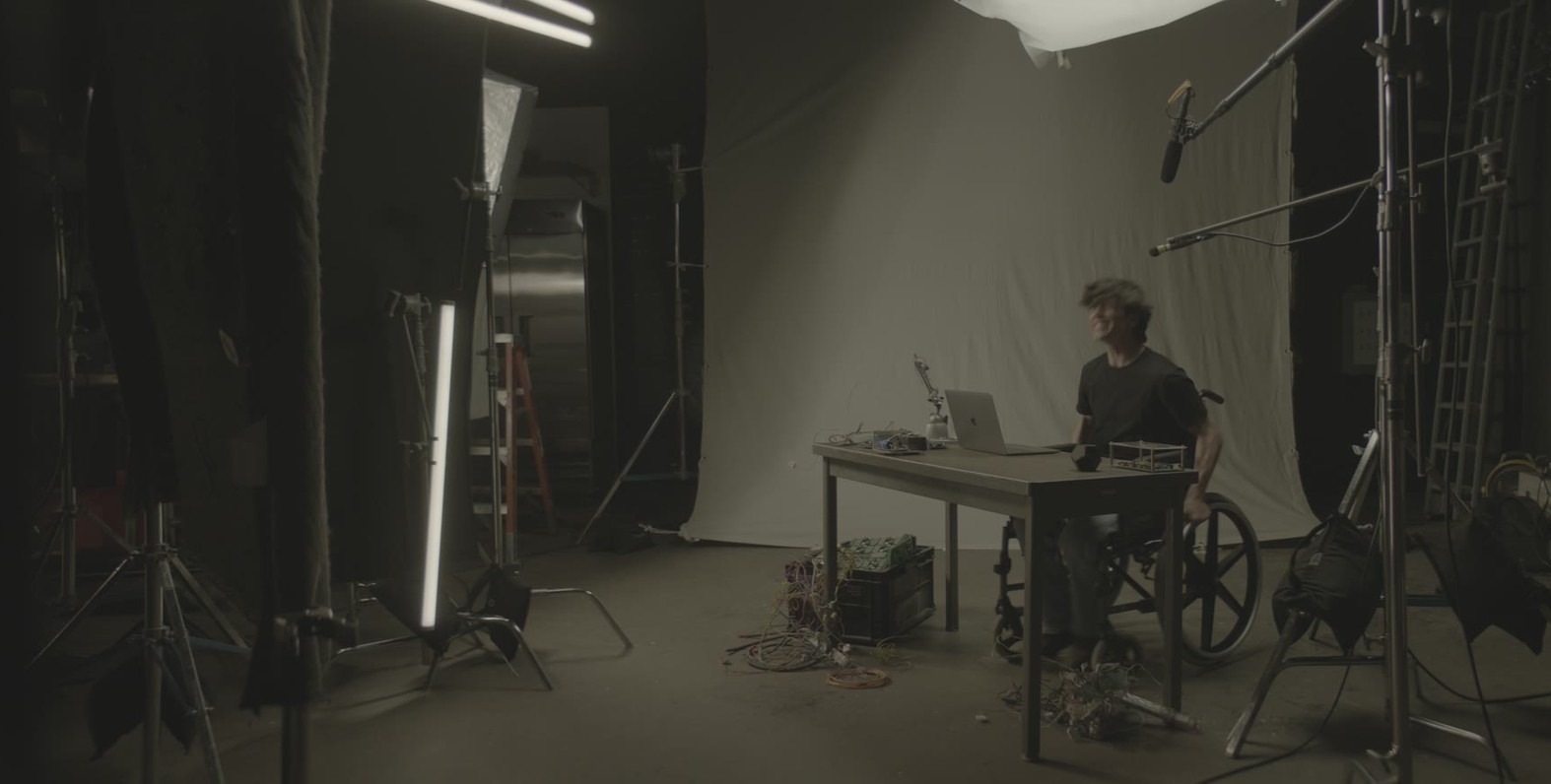
Filmmaking has always been stories about humanity, told by humans. That is the part of this craft that must be preserved at any cost. Take it away and what is left is not filmmaking.
AI builds the world.
AI assists the people making the film. It never replaces their vision.
No single lead carries a film alone. This process buys the savings that cast the other two. The budget must land the second character. AI assisting inside the production, so the savings cast Thorne and Bob.
And humans put it together.
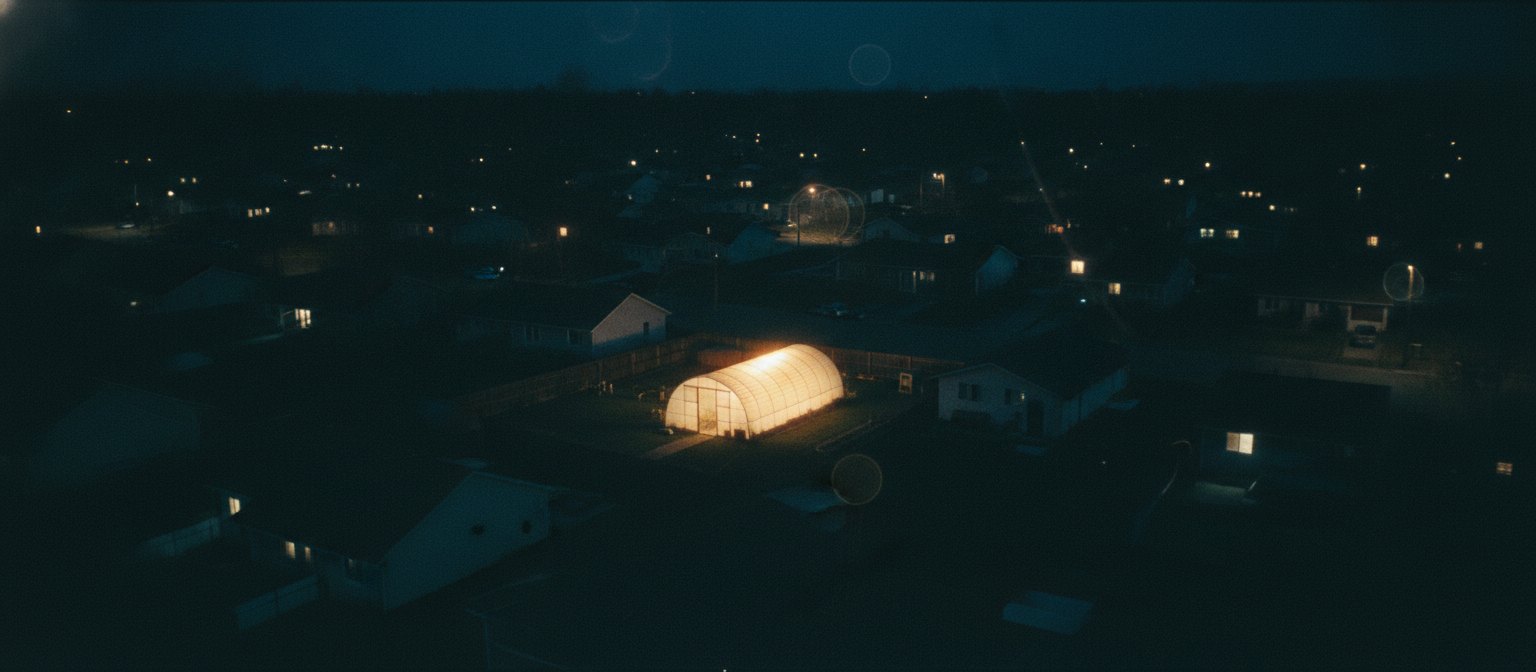
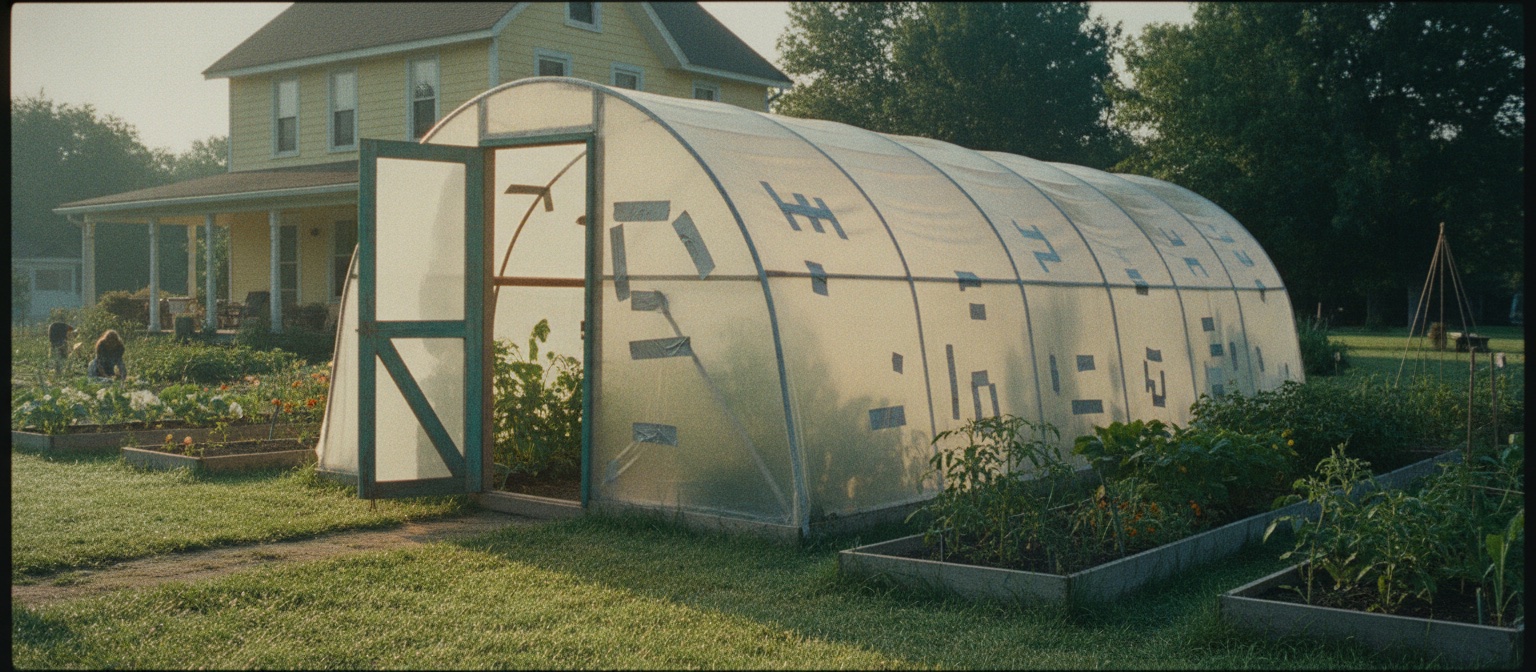
Two actors, a bedsheet and a backyard. The greenhouse came later. The performance did not.
Why this film, now.
- 1
Data centers, power bills, environmental concerns: This story is happening around us. A brighter future is out there, and it necessitates solving the problems we face today.
- 2
We aim to set the example for future AI-native creatives, in which creative control and casting stay unshakeably human, and any AI assistance is in service of that. We connect with stories because of their humanity, and it is our imperative that we do not lose it.
- 3
The talent has been discovered. The process saves money and time. The savings allow us to drive publicity with a big name as Elias Thorne. We have all the ingredients — we just need an oven and time to bake.
Thank you for
letting us build.
We want this movie to change how people think. We don’t know if we’ll win. We are going to keep building either way.
We would love to build with you.
